
US-Philippines Trade Deal Raises Questions About What Marcos Actually Agreed To
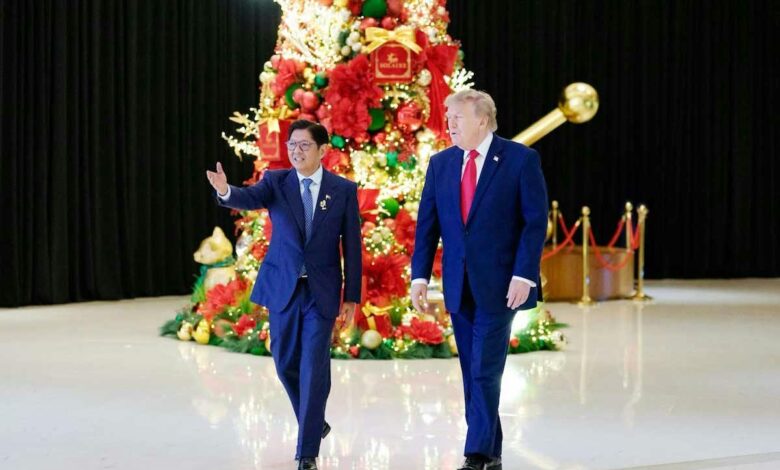
US President Donald Trump has announced what he called a “very big” US-Philippines trade deal following his meeting with President Ferdinand Marcos Jr. in Manila. But while Trump described the agreement as a major achievement for both countries, Philippine officials have offered a more cautious explanation, saying the discussions produced an understanding on economic cooperation rather than a finalized trade agreement.
The announcement raises important questions about what the Philippines actually agreed to, particularly regarding American food and energy imports, local exports, and the country’s economic priorities. It also comes as Manila continues to seek stronger American support amid tensions with China in the West Philippine Sea, making the latest developments important for both the country’s economy and national security.
US-Philippines Trade Deal “Very Big” Agreement
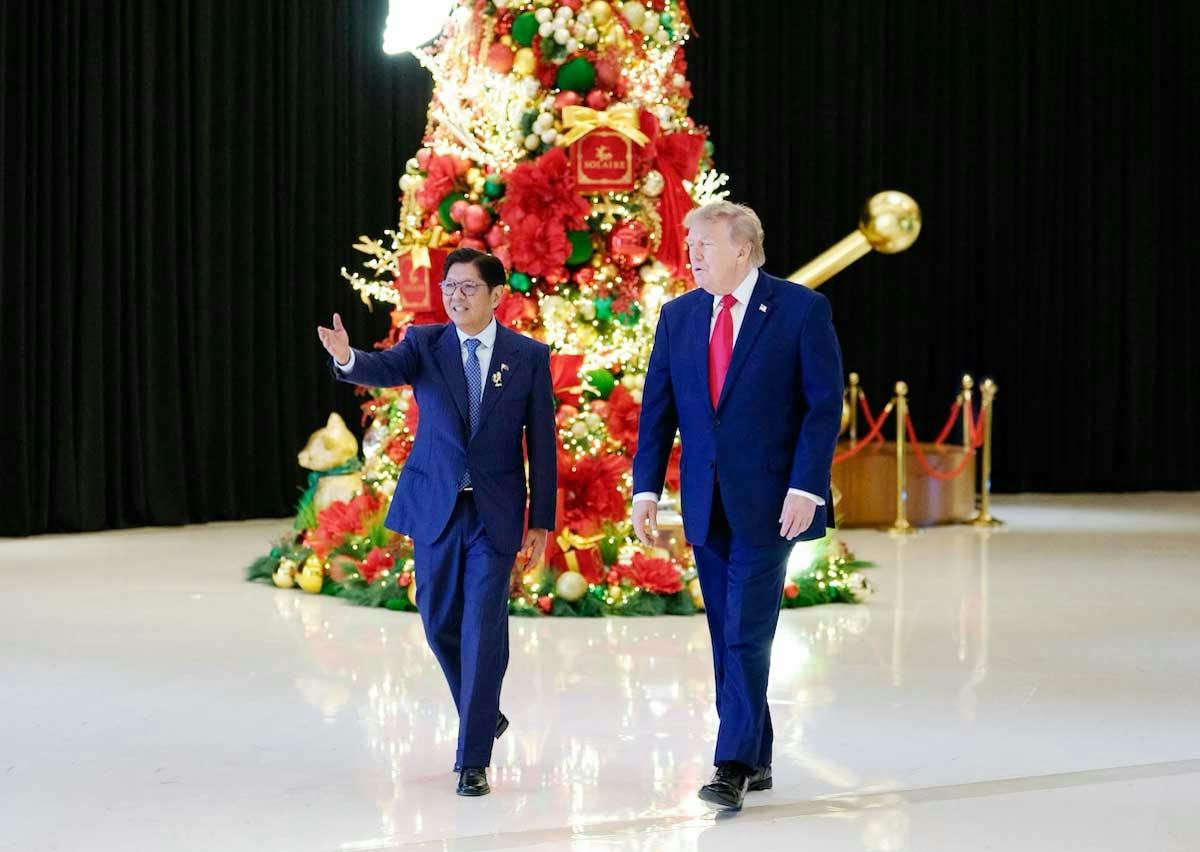
During a state luncheon at Malacañang on November 18, Trump announced that the United States and the Philippines had concluded what he described as their biggest trade deal so far. He called it fair for both countries and said the agreement would benefit American farmers and businesses in the energy sector.
However, he did not disclose specific terms, figures, or a timeline for implementation. The announcement immediately raised questions about the US-Philippines trade deal because neither country’s published schedule had indicated that formal trade negotiations were taking place during his visit.
Manila Says the Details Still Need to Be Worked Out
The Philippine government described the outcome differently, saying both countries had reached an understanding on economic cooperation, particularly in food and energy security. Philippine Ambassador to the United States Jose Manuel Romualdez later confirmed that no document had been signed and said the discussions were still general in nature.
According to Romualdez, Trump offered to help supply the Philippines’ food and energy requirements, with the specific arrangements yet to be determined. This means the announcement should not be confused with a completed, detailed trade agreement that already establishes binding import commitments.
More American Imports Could Be Part of the Arrangement
A White House fact sheet said the two leaders committed to eliminating the US trade deficit with the Philippines by increasing Philippine purchases of American agricultural and energy products. This could mean greater access for American suppliers to the Philippine market, including food products, oil, and other energy resources. However, questions remain about how much the Philippines would purchase, which products would be prioritized, and whether the arrangement would affect existing suppliers and local industries.
The US-Philippines trade deal discussion also comes as Philippine exporters face a 12.5% US tariff covering roughly a third of the country’s exports to the American market, making the treatment of Filipino goods another important issue.
Trump Also Downplays Tensions in the West Philippine Sea
Aside from trade, Trump’s remarks on the West Philippine Sea drew attention during his meeting with Marcos. When asked about maritime tensions involving China and whether Washington was prepared to act under its defense treaty with Manila, Trump said he was “not concerned at all” and added that the situation would be taken care of.
He also promised to expand defense cooperation, but did not announce a new security commitment specifically addressing the latest maritime tensions. For Filipinos, the comments raise questions about how Washington intends to support Manila as confrontations with Chinese vessels continue in disputed waters.
ALSO READ: The Marcos Curse: PH Economy Sinks Again
What the US-Philippine Defense Treaty Actually Guarantees
The Philippines and the United States are bound by the 1951 Mutual Defense Treaty, which requires both countries to act to meet common dangers in the event of an armed attack against either party in the Pacific, in accordance with their constitutional processes. The 2023 Bilateral Defense Guidelines further clarify that the treaty covers armed attacks against either country’s armed forces, public vessels, and aircraft, including coast guard ships, anywhere in the South China Sea.
However, Trump’s latest remarks did not explain how Washington would respond to specific incidents or whether the administration intends to strengthen its existing commitments. As economic cooperation and defense ties continue to develop, Filipinos will be watching whether the US-Philippines trade deal and the broader alliance produce clear benefits and dependable commitments for the country.
Relationship between the Philippines and the United States
Trump’s visit to Manila highlighted the importance of the relationship between the Philippines and the United States, but major questions remain about what the latest announcements actually mean. The proposed economic cooperation could open opportunities in food, energy, technology, and investment, while closer defense ties could strengthen the country’s security partnerships.
However, the US-Philippines trade deal still needs clearer terms, and Trump’s assurances about the West Philippine Sea have yet to explain exactly what Washington will do if tensions escalate. For Filipinos, the real measure of this partnership will be whether it protects the country’s interests and delivers concrete benefits beyond diplomatic announcements.

One Comment