The Marcos Curse: PH Economy Sinks Again
In 1984, inflation reached 50.3% under Ferdinand E. Marcos. Across that year and the next, the Philippine economy lost roughly 14% of its output. The peso weakened from an annual average of ₱11.11 to the US dollar in 1983 to ₱18.61 in 1985. Behind those figures were businesses closed, jobs cut, and a massive loss of purchasing power. The promise of national greatness ended in a national reckoning.
In 2022, those warning against the family’s return said: Never again.
Bongbong Marcos won anyway.
By January 2023, inflation had reached 8.7%. In September 2026, it stood at 7.2%, accelerating from August’s 6.1%. Economic growth slowed to 2.3% in the second quarter. On October 27, the peso closed at a record low of ₱64.17 to the US dollar. Four decades after the father’s failure and the country’s collapse, the son presides over another season of punishing prices and weakening growth.
The circumstances differ, but the household question remains brutally familiar: How much less can we afford tomorrow?
Lest we forget, that before the Marcos years became a campaign message, they were years people had to survive.
Borrowing, crony privilege, and disastrous economic management helped drive the father’s economy into crisis.
The Negrenses remember.
The collapse of world sugar prices struck an industry already damaged by the regime’s crony-controlled monopoly. Thousands of families in Negros dependent on sugar work lost the means to feed themselves. When the dictatorship fell, malnourished youth were found lying on hospital floors. An island of sugar could not feed its children.
Over the years, the memories of the early to mid 80s brought recoveries, crises, and governments that repeatedly failed to make prosperity secure for everyone. Poverty did not disappear when the dictator did.
But the failures of succeeding presidents cannot turn the father’s catastrophe into a golden age. Nor can nostalgia put food on our tables today.
The family’s return to Malacañang restored its power. It cannot erase the record against which another Marcos presidency will be judged.
Now the household arithmetic is tightening again.
At home, the adjustment can mean cheaper meals, postponed purchases, or another unpaid bill. A single parent will stretch the month’s grocery money before anyone in government will call it resilience. We manage to balance the budget only because we make the necessary sacrifices.
And when inflation slows, the old grocery bill does not automatically return. Prices generally keep rising, only more slowly. Families carry yesterday’s increases into the next payday.
Business owners are also feeling the squeeze. A small restaurant faces higher costs while customers economize on meals. A manufacturer importing materials pays more as the peso weakens. Businessmen face an ugly choice: absorb the costs and sacrifice margins, or raise prices and risk losing customers. In the BSP’s August business survey, roughly a third of respondents cited insufficient demand as a constraint, and more than a quarter cited high interest rates.
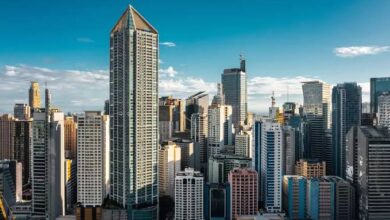
Even Metro Manila’s condominium crunch is telling a story of strained purchasing power. With 80,000 unsold units in the third quarter of 2026, according to Leechiu Property Consultants, that’s 28 months’ supply. What used to feel like an investment now feels like an ankle weight for many. Sales improved with promotions and financing support, but affordability and borrowing costs continue to weigh on the market. Developers must work through unsold inventory, while individual owners face competition for tenants and pressure on rental returns.
There are external causes. War-driven oil costs and currency weakness are real pressures. A president cannot command world markets. But a nation’s leadership must be judged by how effectively it protects its people.
Global turmoil is a test of competence for a government, not an excuse to suspend accountability.
The Philippines of 2026 is not experiencing the collapse of 1984 under Ferdinand E. Marcos. However, the historical comparison does not require identical numbers to raise an uncomfortable question: What has this restoration delivered to the people asked to believe in it?
After a political comeback fueled by nostalgia, Filipinos are again confronting expensive necessities and a weakening economy under a Marcos.
The family name has recovered its place at the summit of power. The people still have to prove, every payday, that they can survive the cold ground down below.
A Marcos revival, indeed.
For families counting coins at the market, the bitter question is: What exactly has been revived?