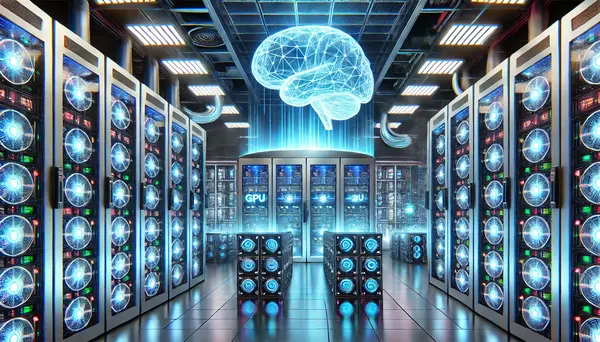
AI Data Centers Consume Massive Energy as Sustainability Concerns Grow
Artificial intelligence is changing how people work, communicate, and access information. Behind these tools are powerful facilities called AI data centers, which process the enormous amounts of information needed to run modern AI systems. However, as AI becomes more popular, concerns are growing over how much electricity these facilities consume and what their expansion could mean for the environment.
What Are AI Data Centers and Why Are They Important?
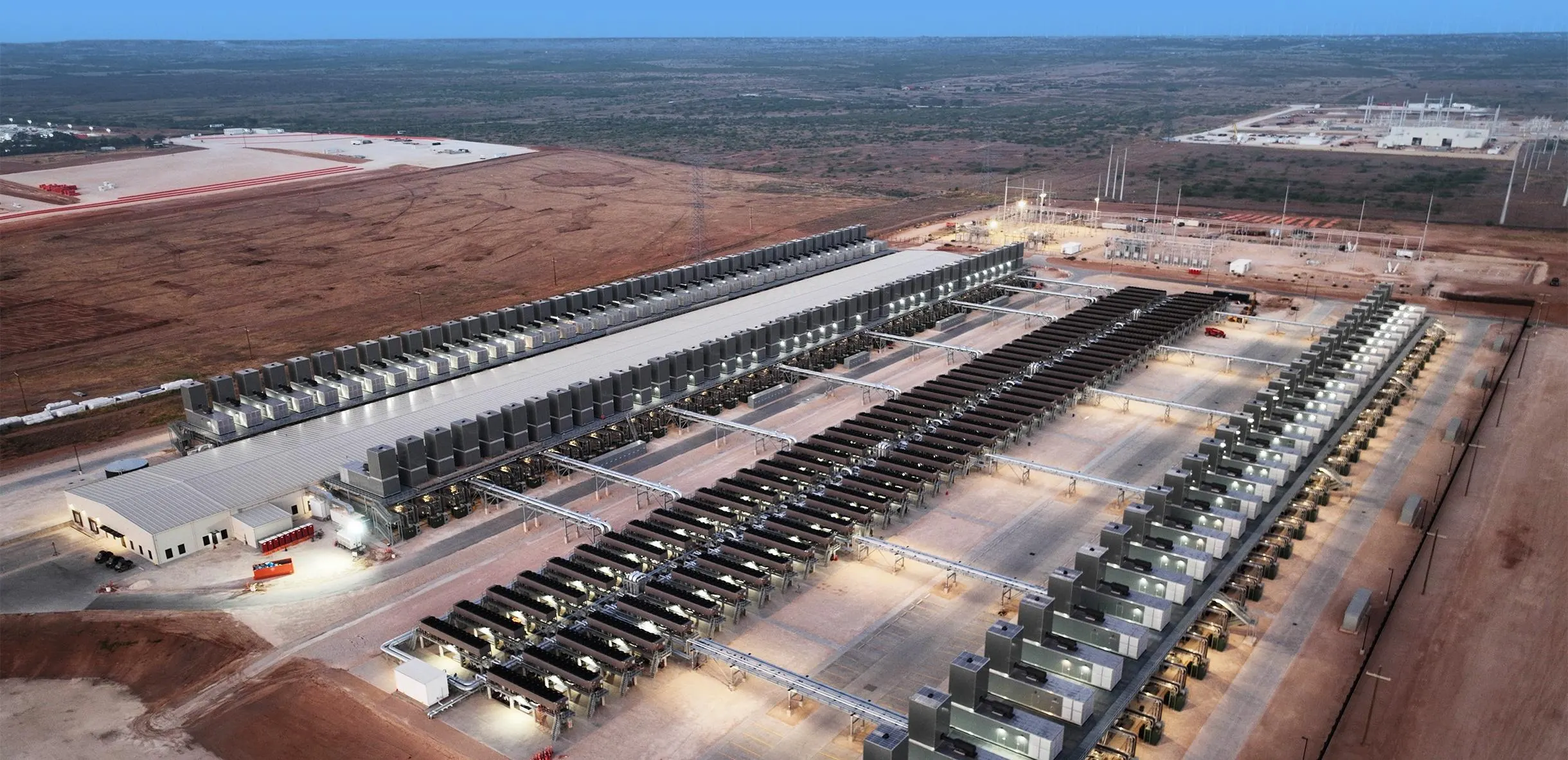
AI data centers are facilities filled with powerful computers, servers, and networking equipment. They handle the complex calculations required to train and operate artificial intelligence models. From chatbots to image generators, many AI tools rely on these facilities to deliver results. As more industries adopt AI, the demand for computing power continues to increase.
Why Do Data Centers Consume So Much Energy?
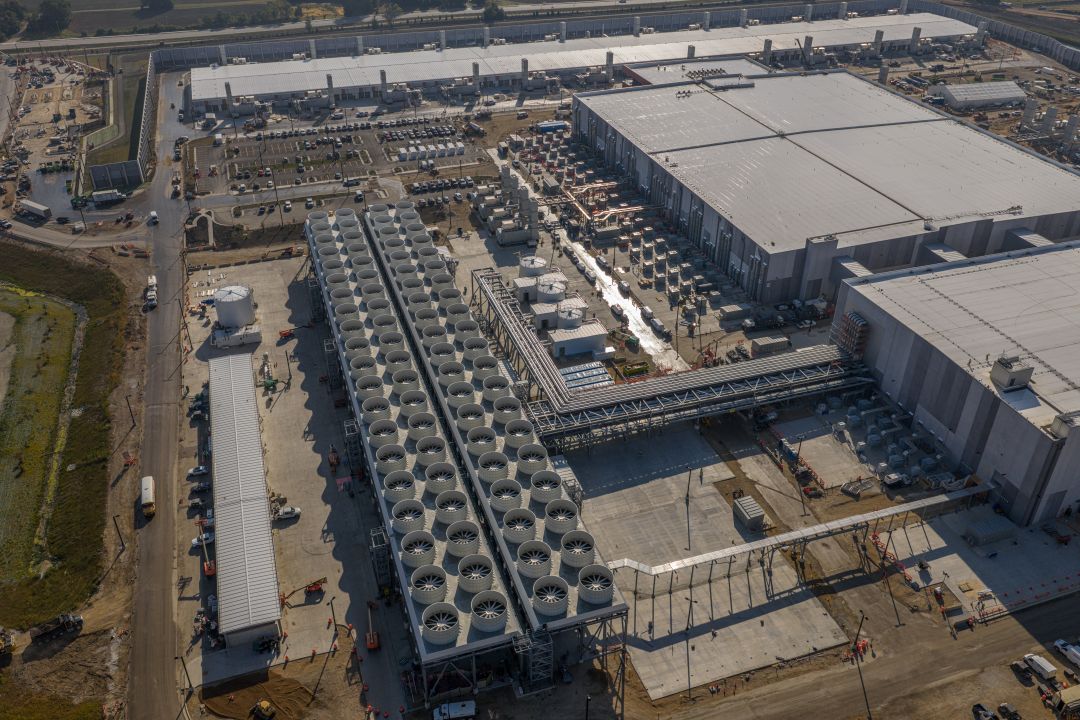
Unlike many traditional computing tasks, training and running advanced AI models can require substantial processing power. Thousands of specialized chips may operate simultaneously to handle complex workloads. These machines also generate heat, requiring cooling systems that consume additional electricity. As a result, the energy demands of AI data centers can become significant as facilities expand.
How Does Pax Silica Connect to the Growing Demand for AI Data Centers?
Pax Silica is a U.S.-led initiative focused on strengthening cooperation among trusted partners in the global silicon and artificial intelligence supply chains. Its focus is relevant to the expansion of AI data centers, which rely on advanced semiconductors, computing hardware, and reliable supply chains to operate.
For the Philippines, involvement in the broader AI and semiconductor ecosystem could create opportunities in technology, investment, and workforce development, while also raising questions about the energy and infrastructure needed to support AI growth.
Environmental Impact
The environmental impact of a data center depends partly on where its electricity comes from. Facilities powered by fossil fuels can contribute to greenhouse gas emissions, while those using cleaner energy sources may have a smaller carbon footprint. Data centers can also require water for certain cooling systems and place additional pressure on local electricity infrastructure. These concerns have made the environmental impact of AI an increasingly important topic.
Can Renewable Energy Make AI Data Centers Greener?
Technology companies are exploring ways to reduce the environmental footprint of their computing infrastructure. These include using renewable energy, improving cooling systems, and designing more energy-efficient computer chips. Operators can also improve server utilization to reduce wasted computing resources. Although these measures can help, the overall impact depends on how quickly efficiency improvements keep pace with growing demand.
ALSO READ: What Is Pax Silica and Why Is Everyone Talking About It?
How Can the AI Industry Balance Innovation and Sustainability?
Artificial intelligence offers opportunities in fields such as education, healthcare, scientific research, and business. However, its benefits must be weighed against the resources needed to develop and operate the technology. Companies can improve transparency by reporting their energy use, water consumption, and emissions. Building more sustainable AI data centers will require cooperation among technology companies, energy providers, policymakers, and local communities.
Raising Important Environmental Questions
AI data centers are becoming essential to the digital services people use every day, but their growing energy demands raise important environmental questions. Investing in renewable energy, efficient hardware, and better cooling systems can help reduce their impact. As artificial intelligence continues to advance, making AI data centers more sustainable will be an important part of ensuring that technological progress does not come at an unnecessary environmental cost.