
Abaca water filter? This pinoy invention could help clean water from toxic heavy metals
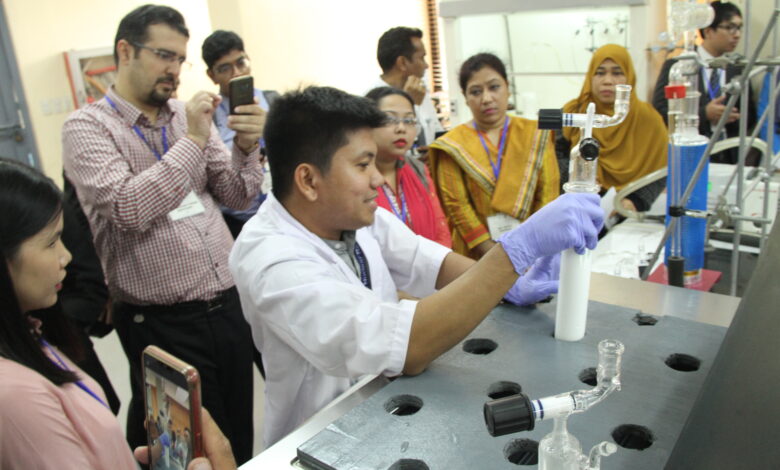
The Philippines is known around the world for producing abaca, but Filipino scientists have found another impressive use for the country’s famous natural fiber. Researchers from the Department of Science and Technology–Philippine Nuclear Research Institute (DOST-PNRI) developed an abaca water filter that can help remove toxic heavy metals from contaminated water.
The technology combines natural abaca fibers with radiation grafting to give the material special filtering properties. The resulting nonwoven fabric can target pollutants such as lead, cadmium, nickel, chromium, mercury, and arsenic. Even more impressive, studies found that the material can be reused and may be cheaper than commercial resins used for the same purpose.
Why Did Scientists Choose Abaca?
Abaca was chosen partly because the Philippines is the world’s largest producer of the natural fiber, accounting for around 85% of global production, according to PNRI. The material is also strong and readily available in the country. Its natural strength allows it to withstand the radiation-grafting process needed to give the fiber its new properties.
This means a locally abundant Philippine crop can become the foundation of a high-technology environmental solution. The abaca water filter therefore combines a traditional Filipino material with modern nuclear science.
How Does the Abaca Water Filter Work?
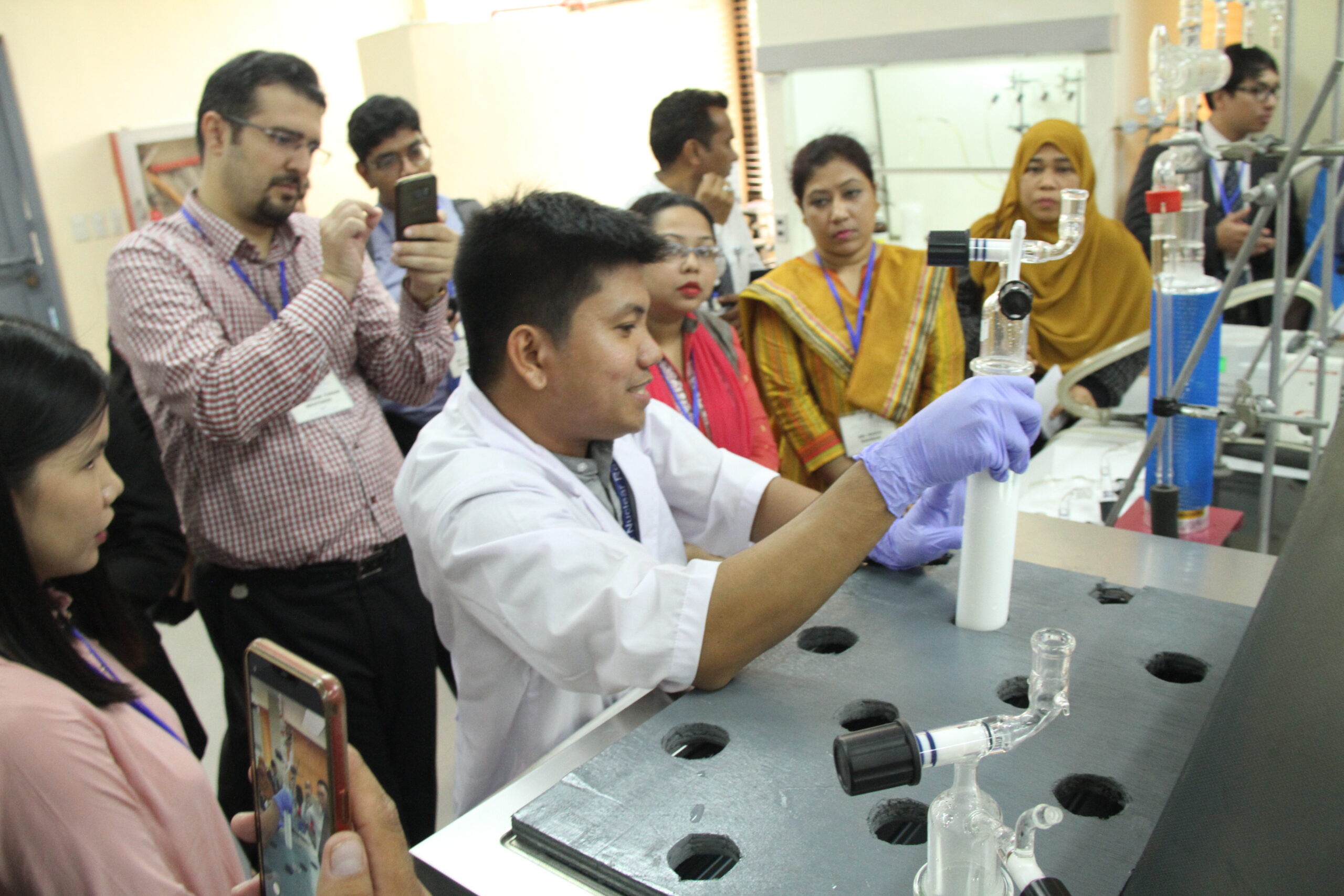
The technology uses a process called radiation-induced grafting. The abaca/polyester fabric is first exposed to radiation at PNRI’s Electron Beam Irradiation Facility. Researchers then graft synthetic polymers onto the material to give it the ability to capture heavy-metal contaminants.
Instead of simply allowing polluted water to pass through, the modified material causes toxic metals to attach to its surface. This allows contaminated water to be treated while the pollutants remain captured by the filter material.
What Can It Remove From Water?
The abaca water filter was developed specifically to deal with toxic heavy metals that can pose serious risks to people and the environment. PNRI identifies several contaminants that the material can adsorb:
- Lead
- Cadmium
- Nickel
- Chromium
- Mercury
- Arsenic
These pollutants can be found in contaminated wastewater and industrial discharges. PNRI research has shown that the radiation-grafted materials can perform on par with, and in some cases better than, commercial ion-exchange resins used for heavy-metal removal.
It Can Be Reused
One of the most interesting features of the technology is that the radiation-modified fabric is reusable. PNRI studies found that it can be used repeatedly for filtering waste. The researchers also reported that it is cheaper than commercial resins serving a similar purpose. This combination could make the material attractive for industries that need to treat contaminated wastewater. The technology is therefore not simply about finding another filter, but about developing a potentially more practical and locally sourced material for pollution control.
Where Could It Be Used?
The technology has strong potential in wastewater treatment, particularly for industries that produce water contaminated with heavy metals. PNRI has pointed to applications involving industrial wastewater and other polluted water sources. Research has also tested grafted adsorbents using actual wastewater from leather-tanning companies.
In one research application, modified adsorbents were successfully used to treat chromium- and cadmium-contaminated water. These findings suggest that the abaca water filter could have applications beyond simple laboratory experiments.
ALSO READ: Ann Makosinski: The Filipino-Polish Inventor Who Made Flashlight Powered by Body Heat
Filipino Scientists Are Already Exploring More Uses
The abaca-based material may eventually have uses beyond wastewater treatment. PNRI researchers have also explored its potential for recovering valuable metals from water. Possible applications include recovering precious metals and rare earth elements. Researchers have also looked into radiation grafting as a potential catalyst for biodiesel production. This means the technology could eventually contribute not only to water cleanup but also to resource recovery and other industries.
The Government’s Role in the Innovation
The development of the technology involved several government science institutions. The project was funded by the Philippine Council for Agriculture, Aquatic and Natural Resources Research and Development (PCAARRD), while the Philippine Textile Research Institute (PTRI) provided the abaca/polyester nonwoven fabric. DOST-PNRI handled the radiation-related research and development.
The technology was granted a utility model in 2019 and later received recognition in the DOST invention competitions.
It Has Already Won Recognition
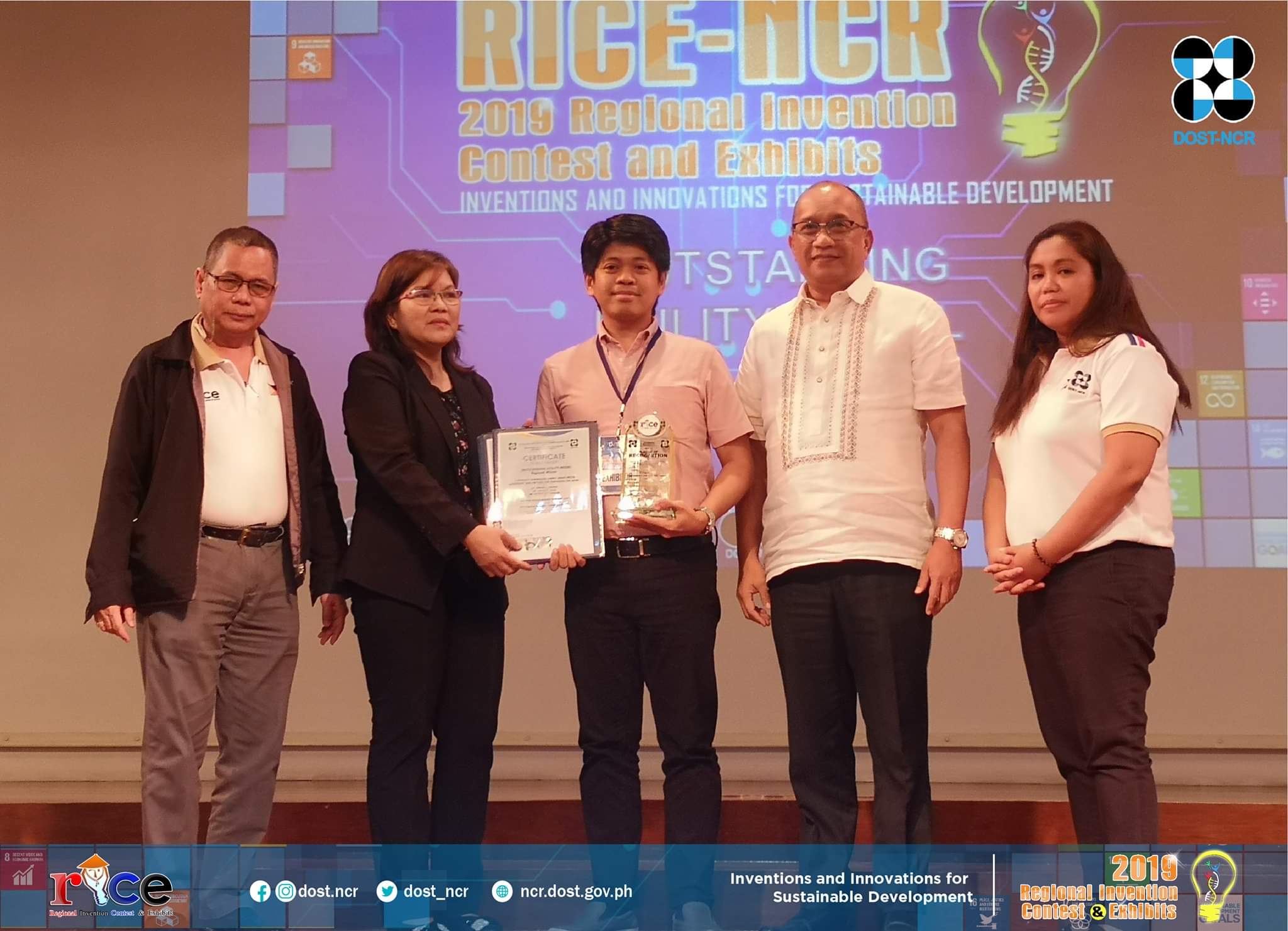
The radiation-grafted abaca-based nonwoven fabric was recognized at the 2019 Regional Invention Contest and Exhibits in the National Capital Region. It later won first place in the Outstanding Utility Model category at the 2020 National Invention Contest and Exhibits.
The award recognized the work of PNRI researchers Dr. Jordan Madrid, Dr. Lucille Abad, and Patrick Jay Cabalar. Their work demonstrates how Philippine science can transform a locally abundant material into a technology with environmental applications.
What Could This Mean for the Philippines?
The Philippines produces large amounts of abaca, so developing higher-value applications for the fiber could create opportunities beyond traditional uses. At the same time, industrial wastewater remains an environmental concern, particularly when it contains toxic heavy metals. A locally developed material that is reusable and potentially less expensive than conventional alternatives could help address both challenges.
The technology still needs appropriate development and adoption for wider real-world use. But the abaca water filter shows how Filipino science can turn a familiar agricultural product into an innovative environmental tool.
Another Filipino innovation
The abaca water filter is an example of Filipino innovation combining one of the country’s most important natural fibers with advanced radiation technology. Developed by DOST-PNRI researchers and their partner institutions, the material can capture dangerous heavy metals from contaminated water. It is reusable and has been reported to be cheaper than comparable commercial resins.
What started as abaca fiber could become part of a new generation of Philippine-made solutions for cleaner water and a more sustainable future.


One Comment