
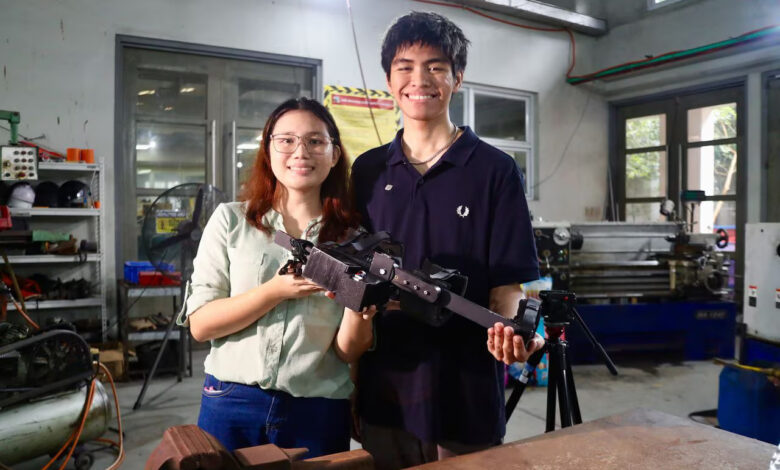
UP Graduates Develop ₱10,000 Exoskeleton to Help Stroke Patients Recover Movement
Two University of the Philippines Diliman graduates have developed an affordable device designed to help stroke patients with rehabilitation. Called OrthoFlex, the wearable technology assists arm movement through repetitive elbow exercises. Developed by Jabez Bote and Ada Koreen Bacay, the exoskeleton aims to make rehabilitation exercises more accessible, including for patients who may struggle to afford regular therapy sessions.
What Is OrthoFlex, the Exoskeleton Developed by UP Graduates?
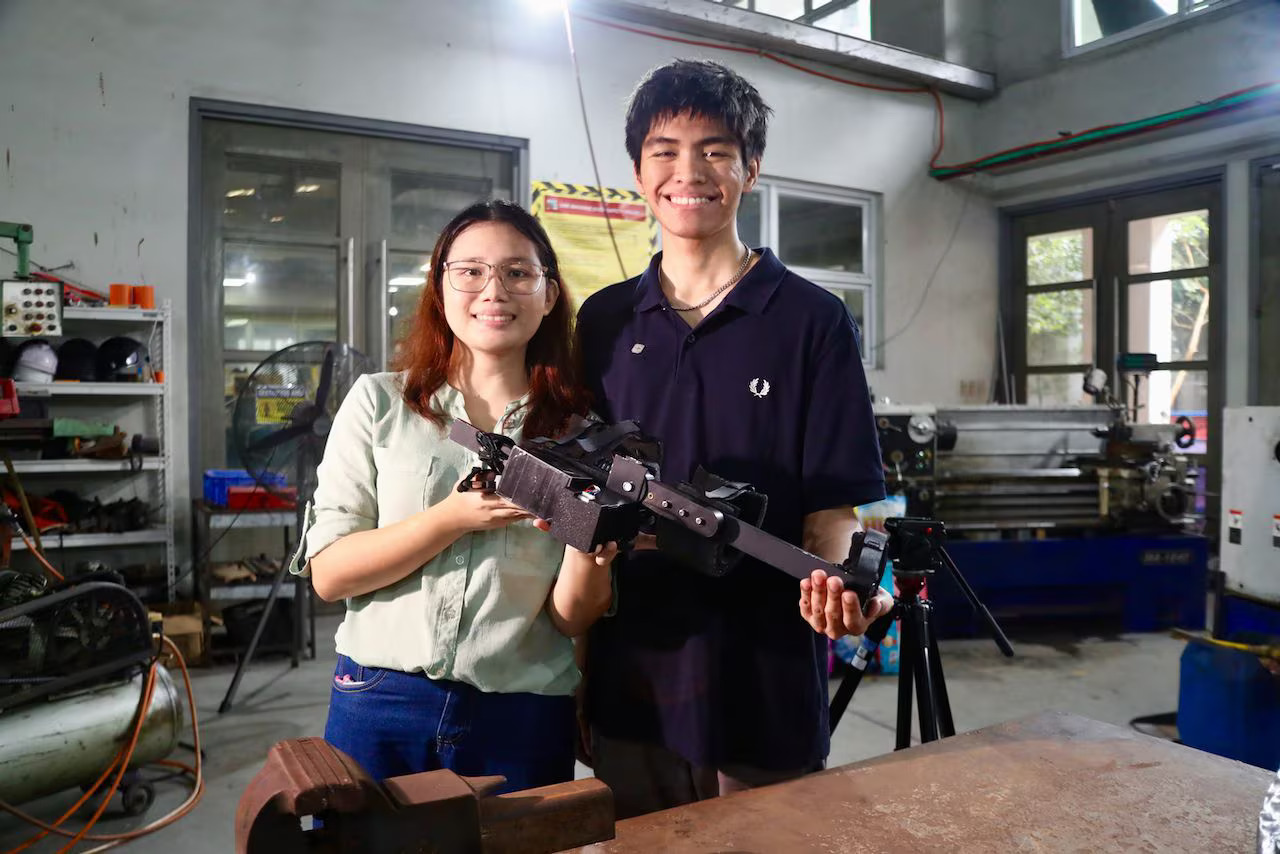
OrthoFlex is a motor-driven device designed to help stroke patients perform repetitive elbow movements. It supports flexion and extension exercises, which involve bending and straightening the arm. According to its official James Dyson Award project page, it is a “motor-driven elbow exoskeleton” designed to provide consistent rehabilitation outside hospitals. The device connects to a smartphone app, allowing users to select their exercises.
How Much Does the OrthoFlex Device Cost?
One of OrthoFlex’s main features is its potential affordability compared with similar rehabilitation devices. Its prototype costs around ₱3,500 to build, while its calculated retail selling price is approximately ₱10,000. The James Dyson Award project page notes that similar products can cost at least ₱25,000. This price difference could make the exoskeleton a more accessible option if it becomes commercially available at the proposed price.
How Does OrthoFlex Help With Stroke Rehabilitation?
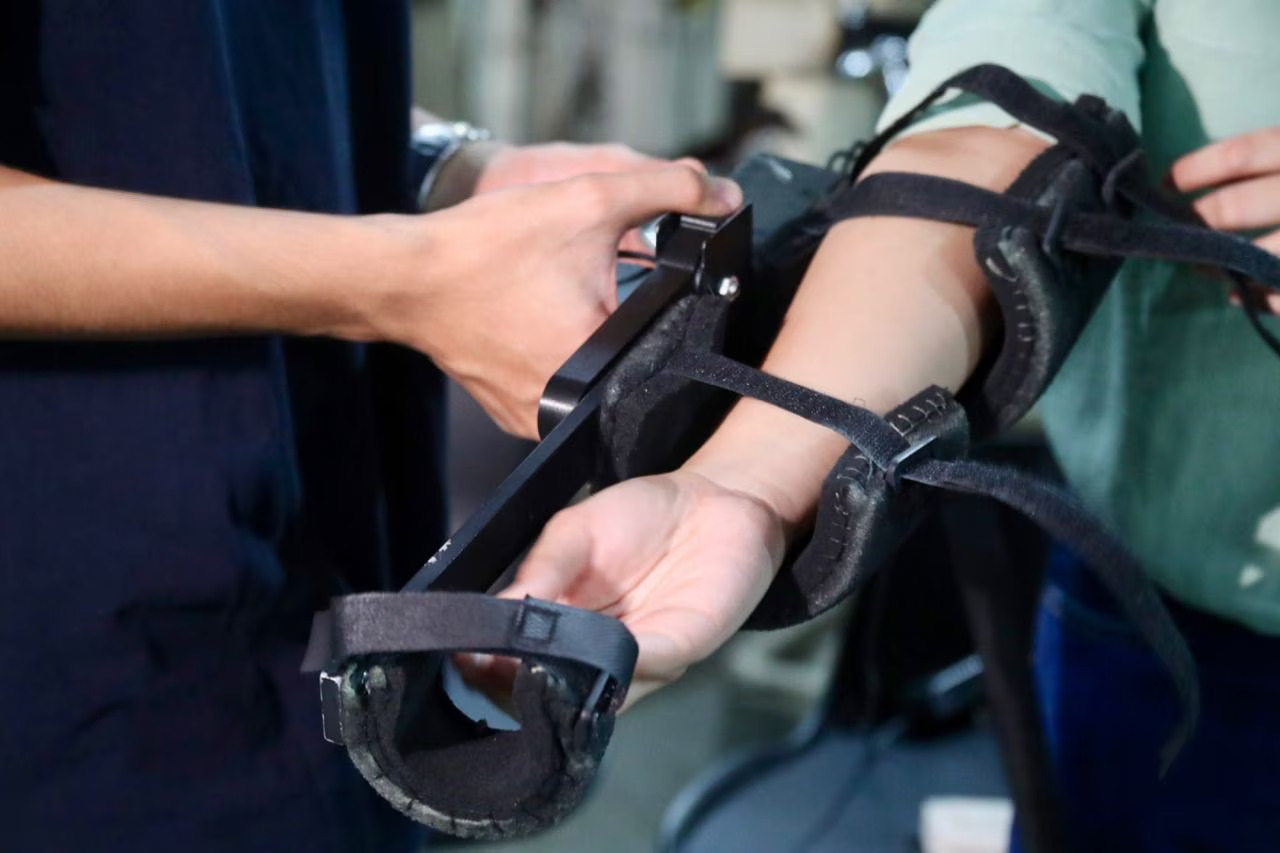
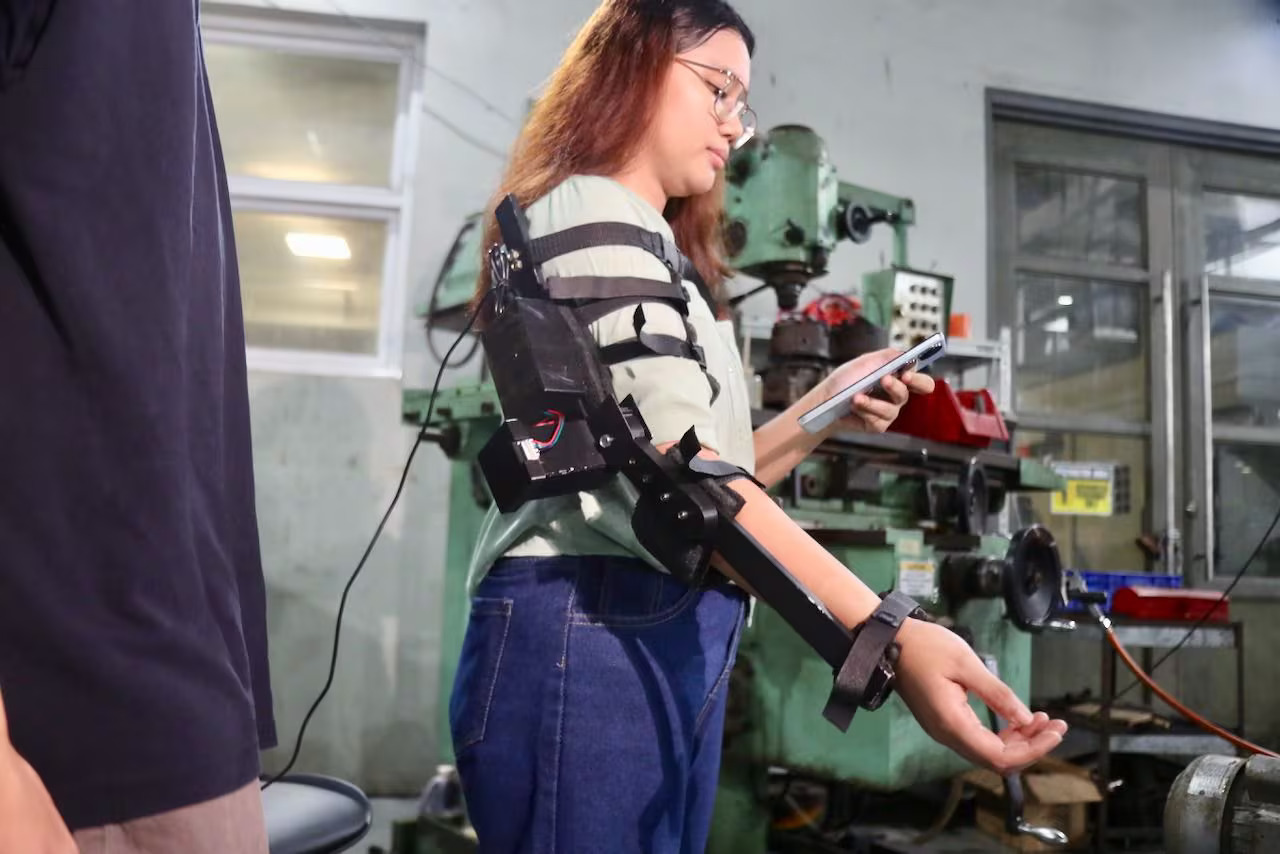
To use the device, a patient’s affected arm is secured with straps before the system is connected to power. The user can then select flexion or extension exercises through a companion smartphone application. The motor helps guide the elbow through repetitive movements, supporting a type of exercise used in physical rehabilitation. However, the device is intended to assist therapy and should not be treated as a replacement for professional medical guidance.
ALSO READ: Abaca water filter? This pinoy invention could help clean water from toxic heavy metals
Why Did the UP Graduates Develop This Device?
The project addresses the challenges faced by stroke survivors who need regular rehabilitation. The James Dyson Award project page explains that rehabilitation services can be expensive and are often concentrated in private facilities in urban areas. It also notes that a shortage of therapists can make consistent treatment difficult for some patients. OrthoFlex was designed with affordability and repairability in mind, with the goal of helping more people access repetitive rehabilitation exercises.
What Makes OrthoFlex Different From Other Rehabilitation Devices?
OrthoFlex combines a motor-driven mechanism with smartphone controls to support elbow exercises. Its design also uses a mechanical limit to restrict the movement range, while individual components can be repaired or replaced when needed. The project team identifies affordability and portability as important advantages over some existing devices. Before the exoskeleton can be widely adopted, further development and evaluation will be important to establish its safety, usability, and effectiveness in real-world rehabilitation.
Filipino engineering at its finest
OrthoFlex showcases how Filipino engineering graduates are exploring practical solutions to healthcare challenges. With a prototype cost of around ₱3,500 and a calculated selling price of about ₱10,000, the device could offer a more affordable alternative to some existing rehabilitation equipment. Its future impact will depend on continued development, clinical evaluation, and accessibility for patients who need it. The project highlights the potential of locally developed technology to support stroke rehabilitation.