Super El Niño Survival Guide: How Filipino Families Can Prepare for Drought and Extreme Heat
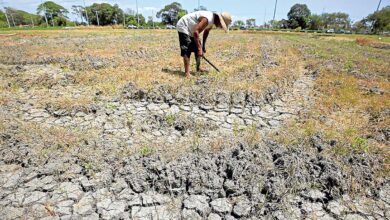
The Philippines could face months of below-normal rainfall as El Niño strengthens, raising concerns about water supplies, extreme heat, and agricultural production. According to PAGASA’s October 2026 outlook, the weather phenomenon may peak before the end of the year and continue through the first half of 2027. This Super El Niño Survival Guide provides practical steps for Filipino families, condo residents, farmers, and provincial communities to prepare for possible drought, water shortages, and dangerous heat.
Prepare Your Home for Possible Water Shortages
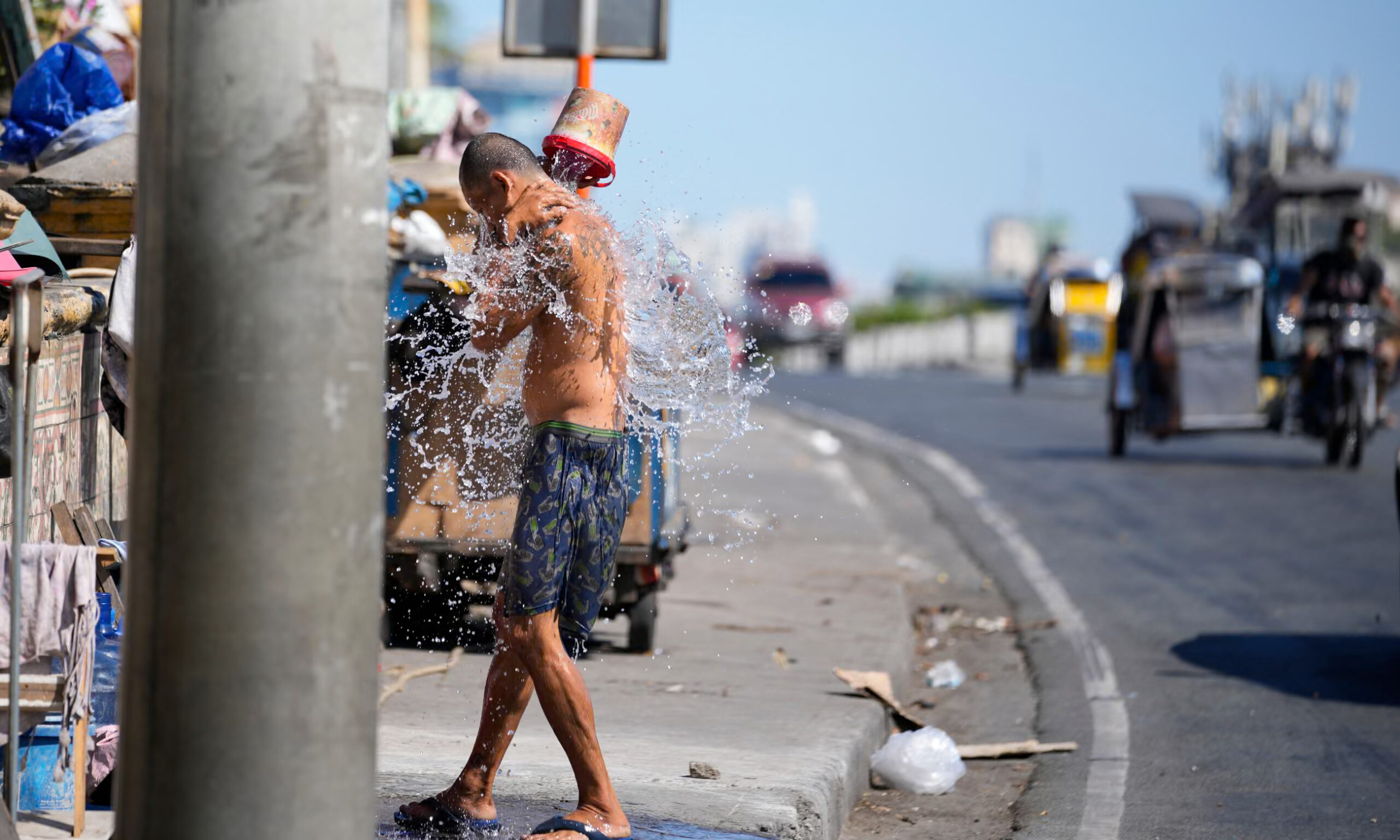
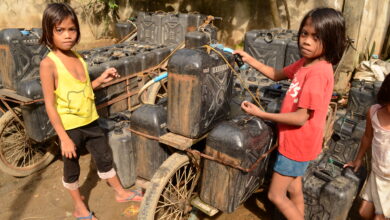
Water conservation starts before supply becomes limited. PAGASA’s October 1 drought outlook projected that the number of provinces experiencing drought could rise to 84 by the end of March 2027, including Metro Manila. Although forecasts can change, households can take simple steps now to reduce waste and prepare for possible interruptions.
- Store water safely. Use clean containers with tight-fitting lids and keep them in a cool, shaded area. Clean containers before refilling and avoid leaving stored water uncovered.
- Reuse water when appropriate. Water used for rinsing clothes or washing dishes may be reused for toilet flushing or outdoor cleaning, provided it does not contain hazardous chemicals.
- Check for leaks. Close all faucets and check your water meter, if accessible. If the meter continues moving, inspect your plumbing or contact a plumber.
- Collect rainwater carefully. Covered containers can collect rain for cleaning and watering plants. Keep collected rainwater separate from drinking water unless it has been properly treated.
- Follow local water advisories. Check announcements from your local government and water provider. Residents in Metro Manila can contact Maynilad at 1626 or Manila Water at 1627.
For additional guidance, check the National Water Resources Board for water conservation information and advisories.
Keep Your Family Safe From Extreme Heat
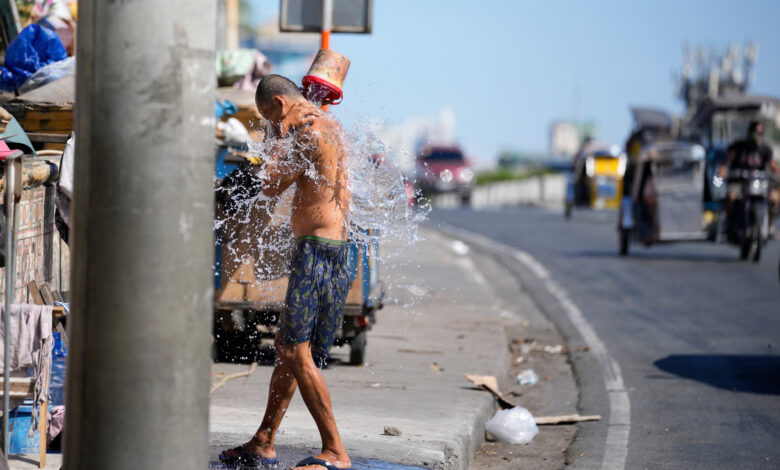
Hot weather can be dangerous, especially for young children, older adults, outdoor workers, and people with existing health conditions. The source report cites possible temperatures approaching 38.7°C by March, although actual conditions will vary by location. Preparing your home and adjusting daily routines can help reduce the risk of heat-related illness.
- Drink water regularly. Do not wait until you feel very thirsty, especially when working or spending time outdoors. People with medical conditions that require fluid restrictions should follow their healthcare professional’s advice.
- Avoid strenuous activities during the hottest hours. Schedule outdoor chores and exercise for cooler parts of the day whenever possible.
- Make your home cooler. Close curtains or blinds that receive direct afternoon sunlight, improve ventilation when outdoor conditions allow, and clean air-conditioner filters regularly.
- Check on vulnerable family members. Older adults, children, people living alone, and pets may need additional help during prolonged heat.
- Know the warning signs. Confusion, fainting, seizures, very high body temperature, or unusual behavior during heat exposure may indicate a medical emergency. Call 911 or seek immediate medical care.
For more information, consult the Department of Health and the Philippine Red Cross.
ALSO READ: DA Says It Is More Prepared for Super El Niño as Food Supply Concerns Grow
Make Your Condo or Apartment Ready for Power and Water Interruptions
Residents of condominiums and apartment buildings face additional challenges because water pumps, elevators, and other shared facilities may depend on electricity. A building can have water stored in its cistern but still experience reduced water pressure if its pumps stop working. Preparing with building management can help residents avoid unnecessary disruption.
- Ask your building administrator about water reserves. Find out how long the cistern can supply residents during an interruption and whether pumps have generator backup.
- Keep a modest emergency supply. Store a few covered water containers within your unit, following building rules and avoiding excessive weight on shelves or balconies.
- Keep hallways and exits clear. Never store drums, boxes, or other supplies in fire exits and evacuation routes.
- Prepare for elevator interruptions. Know the emergency procedures and arrange assistance for older neighbors or residents with limited mobility.
- Reduce indoor heat. Use curtains, fans, and efficient cooling practices. If a brownout occurs, avoid unsafe indoor use of fuel-burning generators or cooking equipment.
Building administrators should also inspect plumbing, repair leaks in common areas, and communicate water and power advisories promptly.
Help Farmers, Livestock Raisers, and Fishpond Operators Prepare
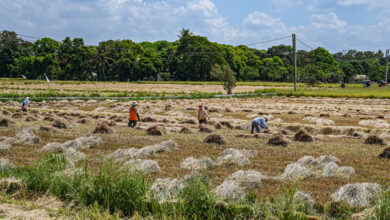
Agricultural communities may face serious challenges if dry conditions reduce irrigation water, stress animals, or affect fishponds. The source report puts El Niño-related agricultural damage at ₱6.87 billion as of September 26, 2026, affecting 223,214 farmers. Early planning can help reduce losses, but farmers should coordinate with local agricultural officers before changing planting schedules or production methods.
For crop farmers:
- Ask the Municipal Agriculture Office about drought-tolerant and early-maturing seed varieties suitable for your location.
- Consider shorter-season crops, including mungbean, peanut, or soybean, where appropriate for local soil, market demand, and water availability.
- Follow irrigation schedules and consult agricultural technicians about water-saving methods such as Alternate Wetting and Drying. Learn more about water-efficient rice farming from PhilRice.
- Clear dry grass and combustible debris around storage sheds, farm structures, and haystacks.
For livestock and poultry raisers:
- Provide shade, clean drinking water, and good ventilation.
- Schedule feeding and strenuous handling during cooler hours where practical.
- Prepare adequate feed and forage supplies, and ask the local veterinary office about animal health precautions and insurance.
For fishpond and fish-cage operators:
- Monitor water quality, oxygen levels, and water depth closely.
- Avoid overstocking and overfeeding, which can worsen water-quality problems.
- Ask the Bureau of Fisheries and Aquatic Resources about local recommendations for aeration, emergency harvesting, and reporting unusual fish deaths.
Farmers should also ask their Municipal Agriculture Office about registration, crop insurance, available seed assistance, and current government aid programs.
Prepare for Fires, Emergencies, and Longer Dry Spells
Drought and extreme heat can increase the risk of grass and forest fires, while water shortages may complicate firefighting. Families should prepare for emergencies without panic-buying bottled water, fuel, or other essentials. The goal is to maintain a reasonable household supply while following official announcements.
- Prevent fires around your home. Avoid burning rubbish or dry vegetation, dispose of cigarette butts safely, and have damaged electrical wiring checked by a qualified electrician.
- Keep emergency supplies ready. Prepare drinking water, non-perishable food, medicines, flashlights, batteries, and important contact numbers.
- Make a family emergency plan. Identify meeting points, emergency contacts, and arrangements for children, older adults, people with disabilities, and pets.
- Follow official weather forecasts. Check PAGASA’s El Niño advisories and its agricultural weather outlooks.
- Use official information before making major decisions. Follow your local government, water provider, and relevant agriculture or disaster-response offices for localized warnings and assistance.
The October 2026 outlook points to a potentially challenging dry season, but the severity of impacts will depend on actual weather conditions and local water availability. Staying informed and preparing early can help families respond calmly as new advisories are released.
The Survival Guide You Need
This Super El Niño Survival Guide highlights practical steps Filipino families can take to prepare for possible drought, water shortages, and extreme heat. Conserving water, reducing heat exposure, preventing fires, and helping farms and communities prepare can reduce avoidable risks. By following official forecasts and making practical changes at home, Filipino families can become more resilient during the coming dry months.