Habagat and El Niño: How Changing Weather Can Affect Your Health
Today’s weather looks a lot like a sunny morning, a rainy afternoon, and a switch between chilly and humid air. With Habagat and El Niño influencing the country’s weather at the same time, Filipinos are dealing with very different conditions within a single day. And with their overlap comes health risks worth watching out for.
All That Rain and It’s Still Hot?
It’s because of the humidity.
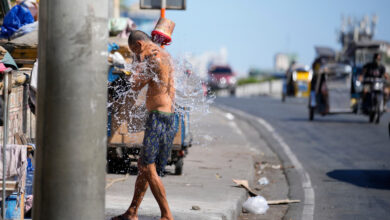
When rain falls on hot ground, some of the water quickly evaporates and adds moisture to the air. And when humidity is high, sweat does not evaporate as efficiently, making it harder for the body to cool itself. This potentially increases the risk of dehydration, heat exhaustion, and heatstroke. The Department of Health (DOH) also warns that higher heat indexes increase the risk of catching these illnesses.
For people with asthma or chronic lung conditions, hot and humid conditions can also make breathing more difficult.
Habagat’s Health Risks
While Habagat and El Niño may overlap, heavy rain still brings the health concerns commonly associated with the rainy season.
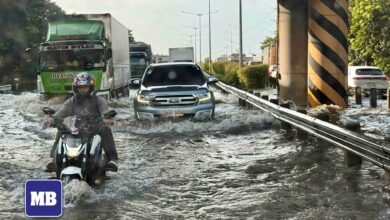
Floodwater exposes people to leptospirosis, while rainy conditions contribute to flu and dengue, among other respiratory illnesses. Damp conditions also speed up fungal and bacterial skin infections, such as ringworm and athlete’s foot.
READ: Weather Literacy and Staying Updated This Rainy Season
What About El Niño?
The bigger concern comes from El Niño.
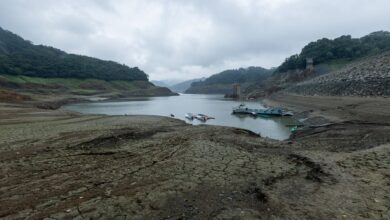
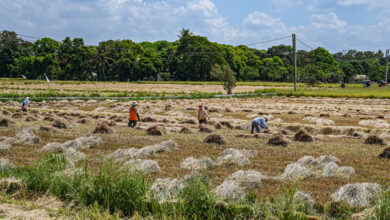
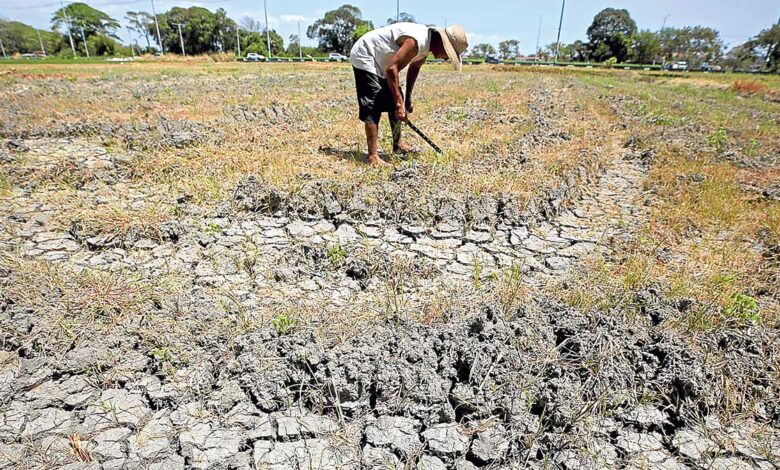
According to the DOST-PAGASA, the “very strong El Niño” is expected to strengthen before the end of 2026. It also gives a nearly 100% chance it’ll persist through February 2027. Lastly, they advised that prolonged rainfall deficits could lead to agricultural dry spells and drought, speeding up the health risks.
Moreover, a Climate Impact Lab report projected around 6,500 additional heat-related deaths in the Philippines, with an uncertainty range of ±410 from September 2026 to February 2027.
Staying Safe
El Niño-wise, hydrate. Wear light clothing. Put on sunscreen. Conversely, if you’ve waded through floodwater, wash the affected area/s thoroughly afterward to prevent the spread of bacteria. Lastly, don’t assume that a rainy day doesn’t carry heat risks.
As Habagat and El Niño continue to shape the rest of this year’s weather, we must prepare for both ends of the spectrum.