
Rare Corpse Flower Found in Apayao: Meet the Mysterious Plant That Smells Like A Dead Body
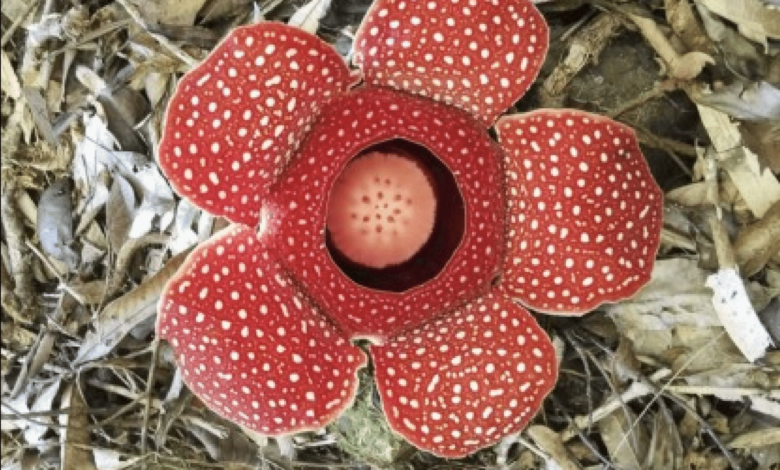
A rare flower known for its unpleasant smell has been found thriving in the forests of Apayao, adding to the Philippines’ growing list of remarkable native plant species. The discovery of the corpse flower in Apayao was reported in March 2026 after local environmental personnel documented Rafflesia lagascae in Barangay Eva, Calanasan.
Unlike ordinary flowers, this unusual plant survives as a parasite and depends on a host vine to grow. Its discovery also highlights the ecological importance of Apayao’s forests, where rare plants and wildlife continue to draw attention from conservationists.
Meet the Rare Corpse Flower Found in Apayao
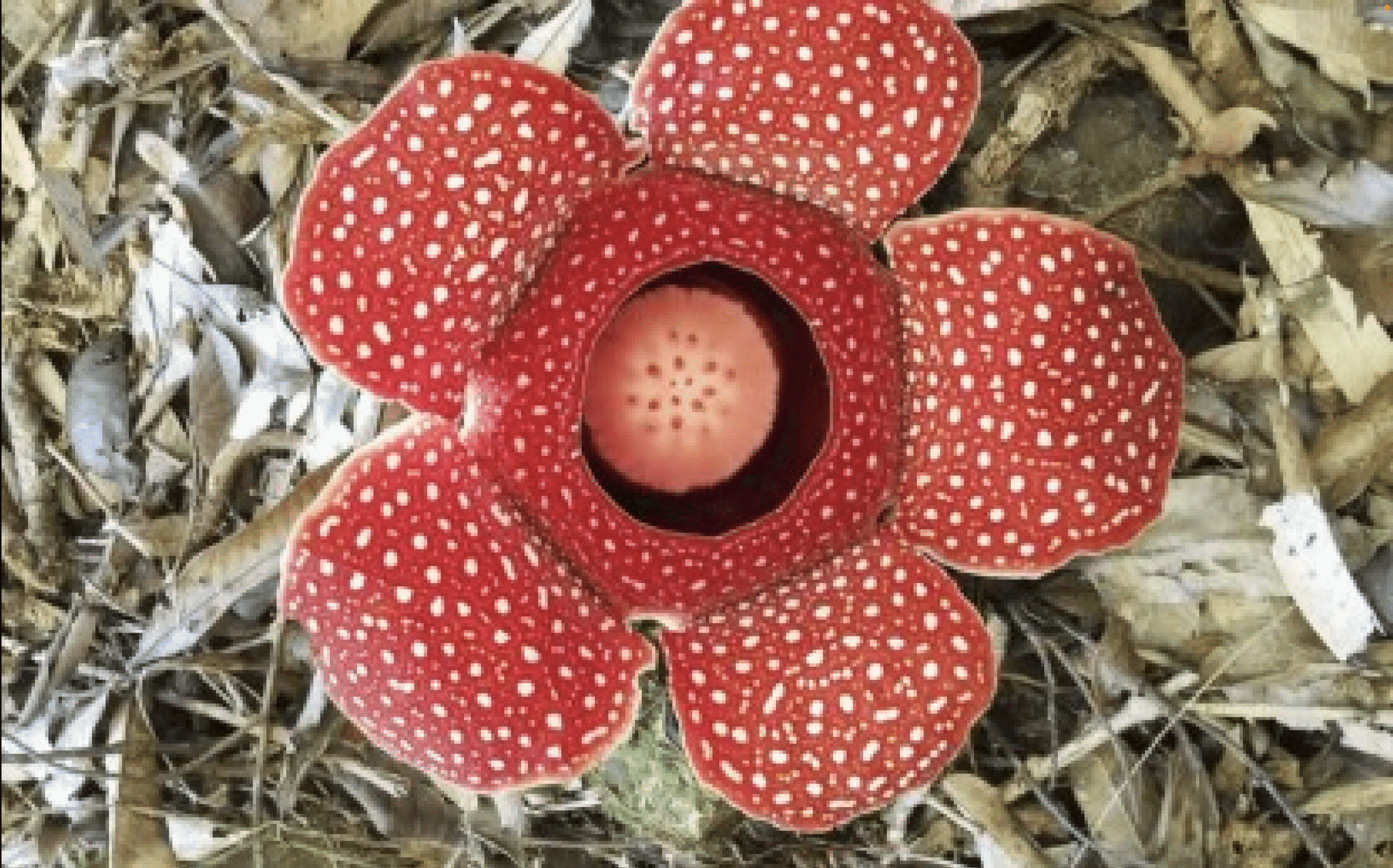
The flower identified in Calanasan is Rafflesia lagascae, a rare species endemic to the mountains of Luzon. It has a fleshy, saucer-shaped bloom that is smaller than those of some other Rafflesia species. The plant is commonly called a corpse flower because its strong odor resembles rotting flesh. While the smell may be unpleasant to humans, it is part of the plant’s unusual reproductive strategy.
Why Does It Smell Like a Dead Body?
The foul odor of Rafflesia flowers helps attract insects such as carrion flies, which can assist with pollination. These insects are drawn to the smell because it resembles the scent of decaying organic matter. Unlike familiar flowering plants, Rafflesia does not have ordinary visible leaves, stems, or roots that carry out the usual functions of a plant. Most of its life is spent hidden inside its host, making the appearance of a flower a particularly unusual sight.
ALSO READ: Kantutan Plant is a real plant in the Philippines
How Was the Rare Flower Discovered?
According to the Philippine Information Agency, forest guards initially documented the plant while validating reports of kaingin, or slash-and-burn farming, in Barangay Eva. Personnel from Calanasan’s Municipal Environment and Natural Resources Office then conducted an inspection and found several thriving blooms at an elevation of more than 600 meters above sea level. The discovery was reported on March 3, 2026, coinciding with World Wildlife Day. Local officials said the finding reinforced the need to protect the forests that allow rare species to survive.
Apayao’s Forests Continue to Reveal Rare Plant Species
The corpse flower is not the only botanical treasure found in the area. Calanasan’s forests have also yielded Medinilla calanasan, a plant species described in the scientific journal Phytotaxa, and Vaccinium kilangensis, a wild shrub documented near the Apayao–Ilocos Norte border.
The province has also recorded rare wild jade vines, known locally as tayabak, which produce striking clusters of green flowers. Together, these discoveries show that Apayao’s forests remain important sites for biodiversity research and conservation.
Why Protecting Apayao’s Forests Matters
Apayao is home to significant forest ecosystems that support diverse plants and animals, including the endangered Philippine eagle. The province’s yApayaos Biosphere Reserve is recognized by UNESCO as an area where biodiversity conservation, local communities, and sustainable development are closely connected.
Protecting forest habitats helps preserve species that may be rare, difficult to observe, or still poorly understood by science. The discovery of the corpse flower in Apayao is another reminder that conserving these environments can reveal natural treasures while safeguarding the ecosystems that sustain them.
A fascinating look at one of Luzon’s unusual native plants
The discovery of the corpse flower in Apayao offers a fascinating look at one of Luzon’s unusual native plants. Its distinctive smell, parasitic lifestyle, and dependence on forest habitats make it a remarkable part of the country’s biodiversity. More importantly, the discovery highlights how much there is still to learn about the Philippines’ remaining natural environments. Protecting Apayao’s forests can help ensure that rare plants and wildlife continue to survive for future generations.