
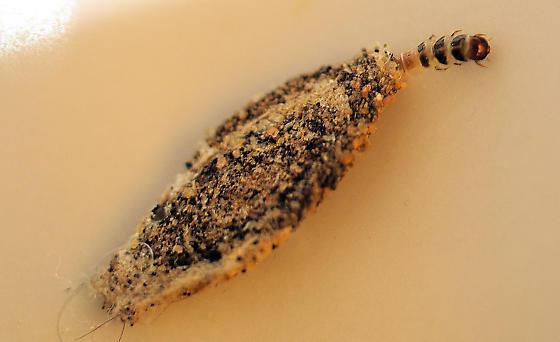
Kamitetep: The Tiny Household Pest That Can Cause Itchy Rashes
Ever spotted what looks like a tiny piece of dirt crawling across your bedroom wall? Take a closer look before brushing it away! It might be a plaster bagworm, a small household pest commonly mistaken for lint, dust, or insect droppings. Also known in Indonesia as “kamitetep” and informally called “uod sa pader” by some Filipinos, this unusual insect can be found in humid tropical environments.
What It Is
“Kamitetep” are larvae of a type of moth. They build small, protective cases using silk mixed with dust, hair, lint, dead insects, and other debris.
These cases look like tiny cocoons or grains of rice stuck to walls, ceilings, and furniture. The larvae carry their protective homes as they move around, which explains why they sometimes look like crawling pieces of dirt.
Can It Really Cause Rashes?
This insect doesn’t bite humans or feed on blood. However, there have been claims that it can cause itchy skin reactions.
Certain caterpillars and moths have tiny hairs that can irritate the skin or trigger allergic reactions when touched. Symptoms may include redness, itching, swelling, and small bumps.
However, not every caterpillar or moth causes these reactions, and a rash shouldn’t automatically be blamed on the “kamitetep.” Other insects, allergies, and skin conditions can cause similar symptoms.
Why It Stays at Home
“Kamitetep” thrive in humid, dusty, and undisturbed spaces. They feed on organic debris such as hair, cobwebs, lint, and dead insects.
You may find them in closets, behind furniture, under beds, and in corners that are rarely cleaned. Clutter and poor ventilation can make these areas more inviting.
Cleaning and Maintenance
The easiest way to prevent an infestation is to keep your surroundings clean.
- Vacuum regularly: check walls, ceilings, closets, and hidden corners for their protective cases.
- Remove cobwebs: these can serve as both shelter and food sources.
- Reduce humidity: opening windows or using exhaust fans and dehumidifiers can improve ventilation.
- Keep fabrics clean: regularly wash clothes, curtains, and other fabrics, and store them in clean, dry spaces.
READ: You Won’t Believe What’s Hiding in Your Spice Jar!
“Kamitetep” may look harmless, but finding them around your home is a good reason to check for dust buildup, cobwebs, and damp areas. And if you spot one, avoid handling it with bare hands.
