
Affordable Dialysis Machine by UP Graduates Wins James Dyson Award
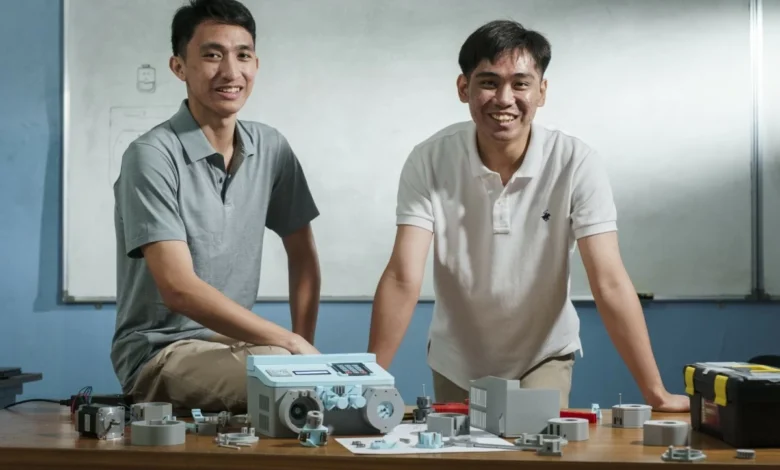
Two graduates of the University of the Philippines Diliman have developed an affordable dialysis machine that aims to make home-based kidney treatment easier and more accessible for Filipino patients. Andrew Jacob Buensalido and Allyson Cabrestante won the Philippine national title in the 2026 James Dyson Award for their invention, BiDaKidney.
The compact device is designed to semi-automate peritoneal dialysis while working with commonly used dialysis sets. With a target cost of around $100, or roughly ₱6,200, the invention offers a dramatically lower-cost approach compared with commercial automated dialysis machines.
Who Created BiDaKidney?
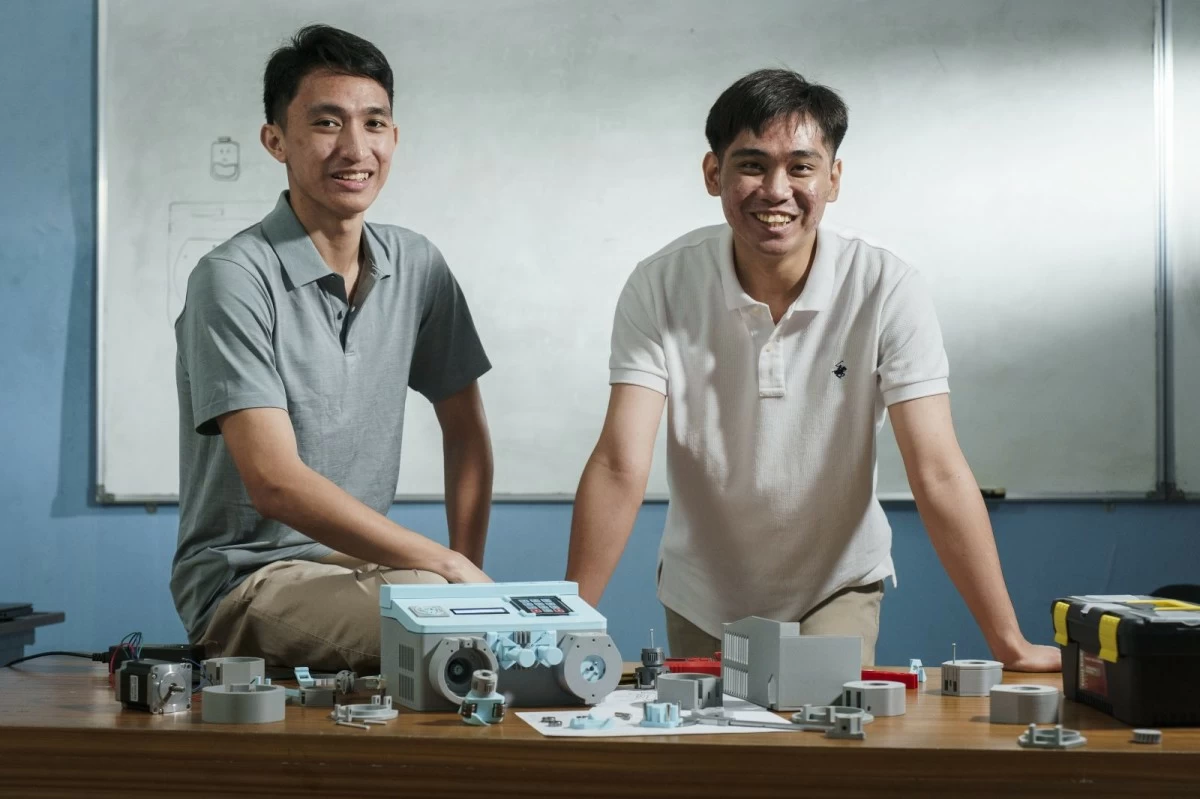
BiDaKidney was created by Andrew Jacob Buensalido and Allyson Cabrestante, graduates of the UP Diliman Department of Mechanical Engineering. Their project was inspired by the realities faced by dialysis patients and their families in the Philippines.
The team wanted to develop technology that could reduce the amount of time patients spend managing their treatment. Their invention eventually earned the Philippine national prize in the 2026 James Dyson Award.
Buensalido explained the motivation behind their project:
“We were thinking about how we could help patients spend less of their lives managing dialysis and more of their time living it.”
The team hopes their affordable dialysis machine can eventually give more patients greater independence when undergoing dialysis at home.
How Does BiDaKidney Work?
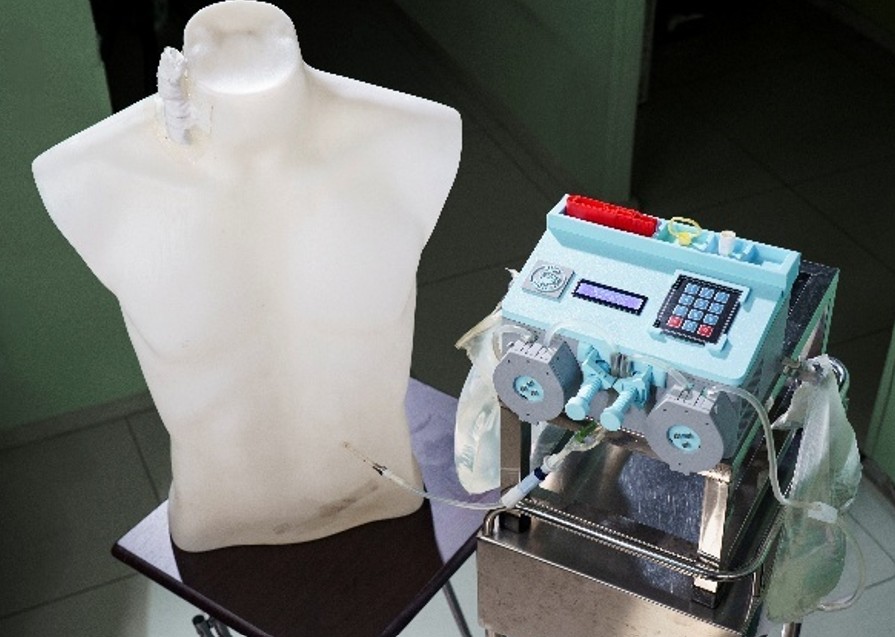
BiDaKidney is designed for peritoneal dialysis (PD), a form of dialysis that can be performed outside a hospital. Instead of using an external machine to filter blood directly, PD uses the lining of the abdomen as a natural filter.
The device automates important parts of the process through several components:
- Peristaltic pumps move dialysis fluid to and from the patient.
- Load cells measure the amount of fluid being delivered.
- A microcontroller controls the treatment cycle.
- A simple user interface allows patients to set treatment details.
- A dual-tube clamp helps prevent leakage and backflow.
- The system records the amount of dialysis fluid transferred and the number of completed cycles.
The machine weighs approximately 2.5 kilograms, making it portable enough to potentially be used at home, school, or work.
Why Make Dialysis More Affordable?
Dialysis can become a major long-term burden for patients with chronic kidney disease. In the Philippines, the number of people undergoing dialysis reached 64,845 in 2024, up 22% from 53,296 in 2023, according to figures cited by the award organizers. Kidney disease also remains among the country’s leading causes of death.
Commercial automated peritoneal dialysis machines can cost more than $10,000, according to the BiDaKidney project page. The UP Diliman team designed their device with a target price of around $100, approximately 1% of the cost of commercial cyclers.
The goal isn’t to replace every existing dialysis machine. Instead, BiDaKidney is designed as an affordable upgrade from manual peritoneal dialysis.
What Makes BiDaKidney Different?
One of the project’s key features is its compatibility with inexpensive peritoneal dialysis sets already used by patients. This means the system does not require expensive proprietary consumables or specialized cassettes.
The device is also designed to be lightweight and portable. By automating fluid movement and monitoring volume, it aims to reduce some of the repetitive tasks that patients and caregivers normally have to perform manually.
For the UP team, accessibility was an important part of the design.
The project page describes BiDaKidney as a way of transforming automated dialysis from something that can be financially out of reach into a more accessible option for patients with chronic kidney disease.
A Filipino Innovation Inspired by Real Healthcare Problems
The idea behind BiDaKidney was closely connected to experiences in the Philippine healthcare system. One of the inventors has a sibling working as a healthcare provider at a government hospital in the Philippines.
After seeing the conditions experienced by dialysis patients, that experience helped motivate the team to develop a device that could address problems involving access and affordability.
This makes the invention particularly relevant to Filipinos. It was not simply created as a classroom engineering project. The team focused on a healthcare challenge experienced by Filipino patients and families.
The development of an affordable dialysis machine also shows how Filipino engineering students can use technology to address practical problems in their own communities.
ALSO READ: Abaca water filter? This pinoy invention could help clean water from toxic heavy metals
The Award and What’s Next
BiDaKidney was named the Philippine national winner of the 2026 James Dyson Award. The project also previously received the Dr. Francis Chua Innovation Award after placing first in the 2026 University Project Competition Design Category at the UP Diliman College of Engineering.
The team received a national prize of ₱398,280, which will help fund further development of the project.
However, BiDaKidney is still a prototype and has not yet undergone formal clinical testing. The developers plan to improve its usability, redesign the chassis for scalable manufacturing, integrate the electronics into a single circuit board, and conduct formal clinical testing and broader patient evaluations.
The project will also move forward to the international stage of the James Dyson Award.
Filipino Engineering can solve real healthcare problem
The story of BiDaKidney shows how Filipino engineering can respond to a serious healthcare challenge. Created by Andrew Jacob Buensalido and Allyson Cabrestante, the device aims to make home-based peritoneal dialysis simpler, more portable, and more affordable. Its proposed cost of around $100 stands in stark contrast to commercial automated cyclers that can cost more than $10,000.
There is still a long road ahead before the affordable dialysis machine can potentially be used widely by patients. Clinical testing, safety validation, manufacturing, and regulatory requirements will all be important next steps. But for now, BiDaKidney represents a promising example of Filipino students turning a real healthcare problem into an engineering solution.