Binondo History Reveals How Chinese and Filipino Cultures Became Part of One Community
The Binondo history many people know begins with its reputation as the world’s oldest Chinatown. But there is much more to discover. Before it became one of Manila’s most recognizable cultural districts, it was a settlement shaped by policies that separated communities, followed by generations of cultural exchange that helped influence Filipino life.
Binondo History: It Existed Before It Became Chinatown
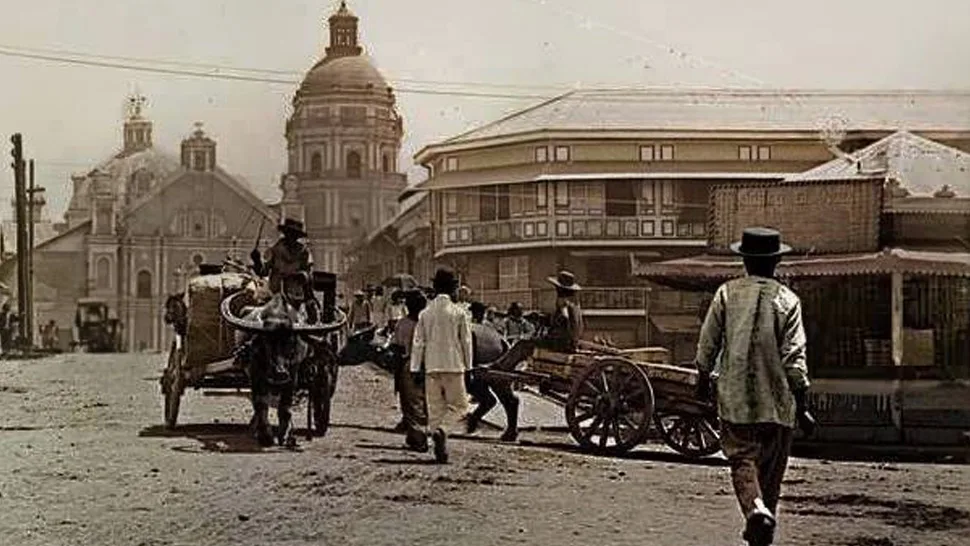
Chinese traders were already doing business in the Philippine islands long before the Spanish established Binondo. Historical accounts describe trade connections involving communities in Tondo, Butuan, and other parts of the archipelago. Chinese merchants brought goods through local trading ports, helping connect communities across the region. When the Spanish established Manila as their colonial capital, Chinese commerce had already become an important part of the city’s economic life.
The Spanish Established Binondo in 1594
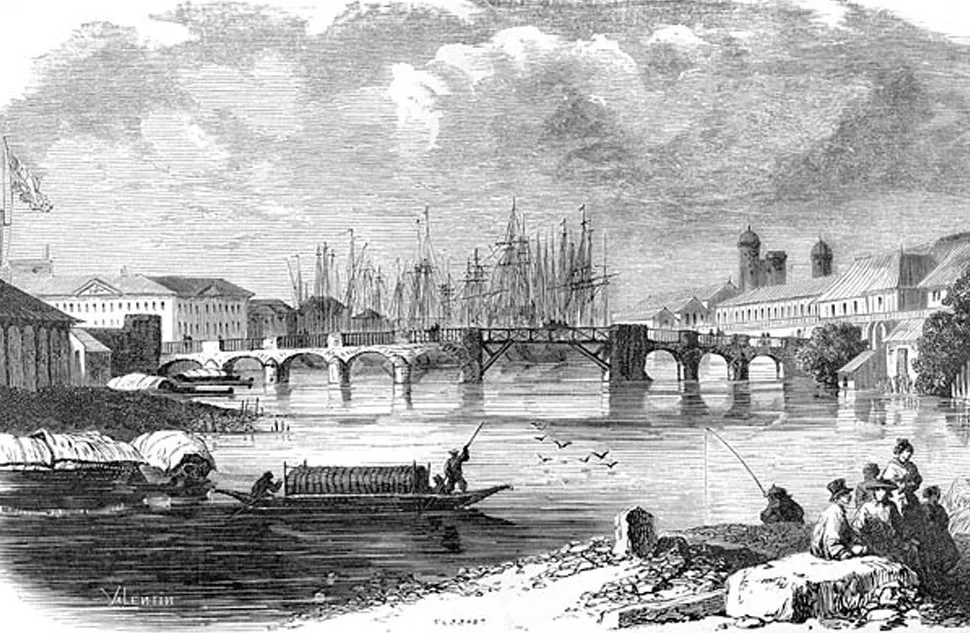
Binondo was formally established in 1594 under Spanish colonial rule. Governor-General Luis Pérez Dasmariñas designated the area as a settlement for Chinese residents who had converted to Christianity. At the time, many Chinese residents were required to live in the Parian, a designated settlement outside Intramuros. The creation of Binondo gave Christian Chinese residents a place across the Pasig River, although colonial policies continued to shape where different communities could live.
Its Early Years Were Marked by Tension and Conflict
The relationship between Spanish authorities and the Chinese community was complicated. Chinese merchants were economically important, but colonial officials also viewed the growing population with suspicion. In 1603, tensions escalated into a major uprising and a violent crackdown that resulted in the massacre of thousands of Chinese residents. This painful chapter is an important part of the Binondo history that often gets overlooked when people talk about the district’s food and shopping culture.
Chinese and Filipino Cultures Gradually Became Intertwined
Over generations, Chinese communities built families, businesses, and lasting relationships with their Filipino neighbors. Intermarriage and cultural exchange helped shape the Chinese-Filipino identity, influencing everything from food and language to business and religious traditions.
Dishes such as lumpia, pancit, tikoy, and mami became familiar parts of Filipino food culture, while streets like Ongpin continued to reflect the district’s Chinese heritage. Binondo eventually became more than a settlement for Chinese migrants; it became a living example of cultures shaping one another.
ALSO READ: Wha-Chi Battalion: Chinese Warriors Who Defended the Philippines
From a Colonial Settlement to a Living Cultural Landmark
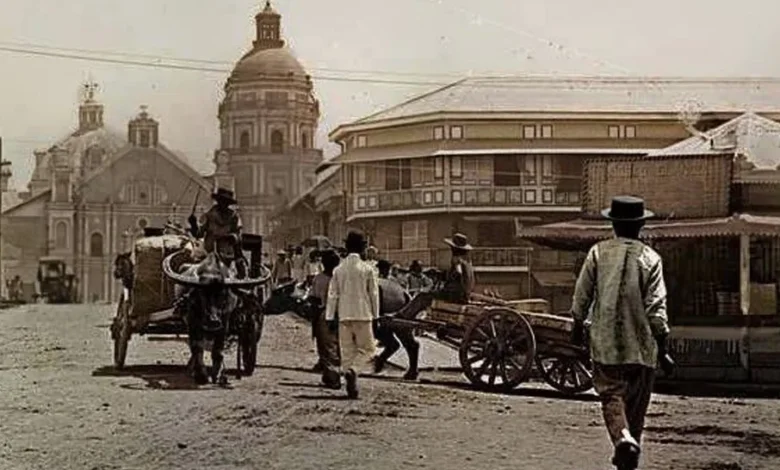
Today, Binondo is recognized as the world’s oldest Chinatown, with its formal establishment dating back to 1594. Its streets preserve traces of different periods in Manila’s history, from the old commercial district of Escolta to the shops and restaurants that continue to attract visitors. But the district is not simply a historical attraction.
Families, business owners, workers, and longtime residents continue to give it life. Understanding the Binondo history means recognizing the generations of people whose experiences helped shape the community and, in many ways, the country itself.
History that continues to live
Binondo may now be famous for its food, shopping, and festive celebrations, but its story goes far beyond what visitors see during a day trip. It began as a settlement shaped by colonial policies and grew through centuries of trade, conflict, migration, and cultural exchange.
The next time you walk along Ongpin or visit one of its historic streets, remember that you are exploring more than a Chinatown. You are walking through a part of Filipino history that continues to live in our culture today.