Macli-ing Dulag: The Kalinga Leader Who Defied Marcos
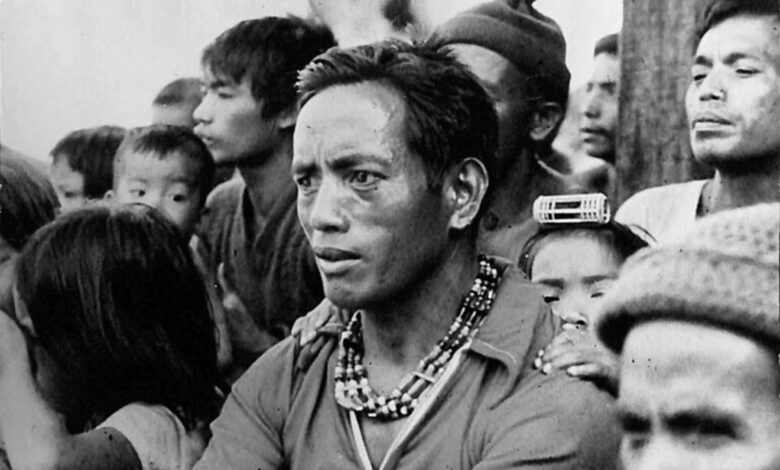
Macli-ing Dulag stood against a massive hydroelectric project that threatened to displace Indigenous communities across the Cordillera. A respected Kalinga elder from Bugnay, he became one of the leading voices in the fight against the proposed Chico River Dam Project during the Marcos dictatorship.
The project promised electricity and development. But for the communities living along the Chico River, it threatened something far more fundamental: their homes, rice terraces, forests, ancestral lands, and sacred burial grounds.
The Chico River Dam Project That Threatened 100,000 People
In the 1970s, the Marcos administration pushed for the construction of four hydroelectric dams along the Chico River. The proposed project was designed to generate around 1,000 megawatts of electricity, with funding sought from the World Bank.
The plan covered areas inhabited by the Kalinga and Bontok peoples in the Cordillera. Its reservoirs would have submerged villages, agricultural land, and important cultural sites. Estimates cited by Bantayog ng mga Bayani placed the number of people who could lose their homes at around 100,000.
For these communities, the Chico River was more than a source of water. It sustained their farms, connected their villages, and formed part of their relationship with their ancestral territory.
The government pushed ahead despite local opposition. Communities feared that the project would permanently alter their way of life, while the promised benefits of electricity would largely serve people outside the areas facing displacement.
Who Was Macli-ing Dulag?
Macli-ing Dulag was born on January 1, 1930, in Bugnay, a village in what is now Tinglayan, Kalinga. He belonged to the Butbut tribe and was known as a pangat, a respected community elder whose wisdom and judgment carried weight among his people.
He also served three terms as Bugnay’s elected barrio captain beginning in 1966. Outside his community responsibilities, he tended rice fields and worked on road maintenance projects.
Macli-ing did not have formal education, but he became an influential spokesperson for the communities opposing the dam. His ability to express their concerns helped bring attention to the consequences of the project.
He questioned the idea that national development should come at the expense of Indigenous lives and ancestral lands.
In one statement recorded by Bantayog ng mga Bayani, he challenged the argument that electricity justified the destruction of communities:
“If you destroy life in your search for what you say is the good life, we question it.”
How the Cordillera Communities United Against the Dams
Resistance to the Chico River Dam Project grew beyond individual villages. Kalinga and Bontok leaders organized meetings, challenged government plans, and built alliances with supporters from other communities.
Macli-ing and other Cordillera leaders helped strengthen this movement through bodong, or traditional peace pacts. These agreements helped establish unity among communities and created a wider alliance against the proposed dams.
The resistance continued despite intimidation. According to Bantayog ng mga Bayani, some leaders faced bribery attempts, harassment by soldiers and government-backed forces, and imprisonment.
READ: The Legends of Wawa Dam: The Giant and The Lady
Macli-ing remained firm in his opposition. He argued that the people had a right to their land and that development should not demand the destruction of the communities it was supposed to benefit.
His words reflected a deeper understanding of land ownership and belonging. For Indigenous communities, ancestral territory was not simply property that could be exchanged or relocated. It was tied to identity, livelihood, history, and generations of community life.
The Assassination That Strengthened the Resistance
On April 24, 1980, Macli-ing Dulag was murdered inside his home. Government soldiers surrounded the house and opened fire, killing the Kalinga leader.
His assassination became a turning point in the struggle. Rather than silencing opposition, his death drew greater attention to the violence faced by communities resisting the dam project.
Support for the anti-dam movement grew across the Philippines and internationally. The World Bank eventually withdrew from the proposed project, and the Marcos government abandoned its plans to build the dams.
Four of Macli-ing’s killers were charged and tried before a military tribunal in 1983. An army lieutenant and a sergeant were found guilty of murder and frustrated murder, according to Bantayog ng mga Bayani.
Macli-ing Dulag’s Legacy Lives On
Macli-ing Dulag was honored by Bantayog ng mga Bayani in 1992 for his role in resisting the Marcos dictatorship. His story remains closely tied to the struggle of Indigenous communities to defend their ancestral lands and protect their right to decide what happens to their territories.
The Chico River Dam struggle also demonstrated the strength of collective action. Through traditional agreements, community organizing, and solidarity across villages, Kalinga and Bontok communities challenged a project backed by the power of the state.
Today, Macli-ing is remembered as a symbol of Indigenous resistance and the defense of ancestral land. His stand left a lasting reminder that development must consider the people whose homes, culture, and livelihoods are at stake.