PLDT, Smart and SEC Make Responsible E-Waste Disposal More Accessible
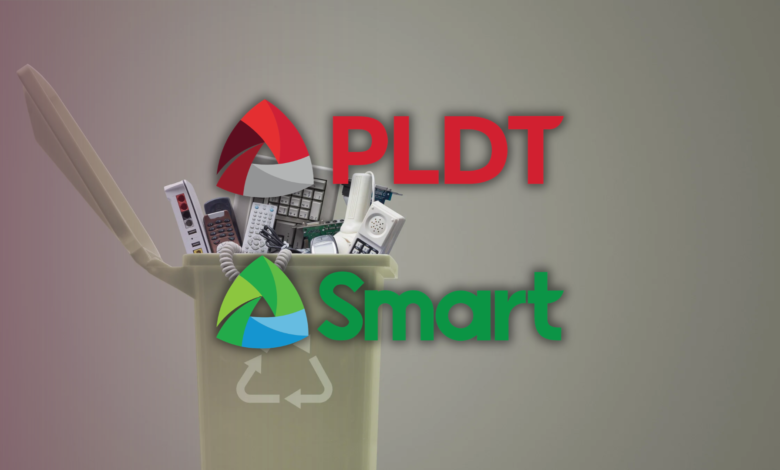
Got old chargers, batteries, or gadgets you no longer use? PLDT, Smart, and the Securities and Exchange Commission (SEC) are working to make responsible e-waste disposal more accessible, helping keep hazardous materials out of the environment.
E-waste in the Philippines is getting more attention as PLDT, Smart, and the Securities and Exchange Commission (SEC) work together to promote responsible electronic waste management. Through their partnership, the companies aim to encourage proper disposal and make collection options more accessible.
Old chargers, broken phones, and unused electronic devices often end up forgotten in drawers or thrown away with regular household trash. With proper collection and recycling, these items can be handled more safely, and some materials may be recovered for reuse.
Where Can You Bring Your Old Electronics?
Under the partnership, PLDT and Smart will install e-waste collection bins in SEC offices nationwide. The initiative will also include awareness activities to encourage more responsible disposal of discarded electronic devices.
Collected items will be sent to authorized treatment, storage, and disposal facilities for proper handling.
The SEC partnership builds on PLDT and Smart’s broader Be Kind. Recycle. program, which has established more than 200 e-waste collection points nationwide. Members of the public can also check existing drop-off locations at select PLDT and Smart stores and SM Mall Cyberzones. Contact the relevant location first to confirm accepted items and current collection arrangements.
What Makes E-Waste Harmful?
Electronic waste, or e-waste, includes discarded phones, computers, chargers, batteries, and other electrical or electronic equipment. Some devices contain hazardous substances, including lead and mercury, that can pose risks when waste is handled or discarded improperly.
When electronic waste ends up in landfills, hazardous substances can leach into soil and water. Unsafe dismantling or burning can also release pollutants into the air. These forms of exposure can affect communities
and ecosystems, with children and pregnant women among the groups that face particular risks.
READ: Disaster Risk in the Philippines and Why We Keep Ranking First
The World Health Organization reported that the world generated an estimated 62 million metric tons of e-waste in 2022, but only 22.3% was documented as formally collected and recycled.
Accessible collection points can help people take a more responsible next step when old electronics are no longer useful.
Giving Old Electronics a More Responsible Next Step
Since 2023, PLDT and Smart’s e-waste recovery efforts have collected 42.5 metric tons of electronic waste and helped avoid an estimated 17.3 metric tons of carbon emissions, according to the companies.
The partnership adds to ongoing efforts to improve e-waste management in the Philippines, making responsible disposal a more accessible option.
For households, the takeaway is simple: before throwing away an old charger, battery, or gadget, check whether it can be brought to an appropriate e-waste collection point. Small disposal decisions can contribute to a more responsible approach to electronic waste.