What’s Stopping the Philippines From Using Climate Solutions?
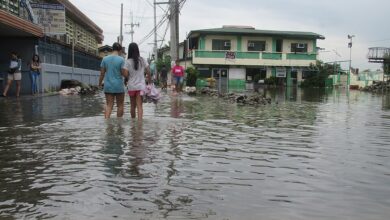
Every time another city floods or another community endures record-breaking heat, the same question comes up: why does it feel like we’re always one step behind climate change if we have climate solutions in place?
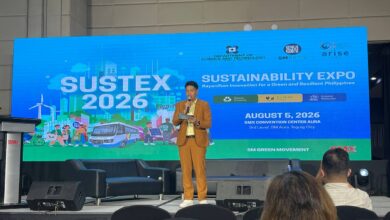
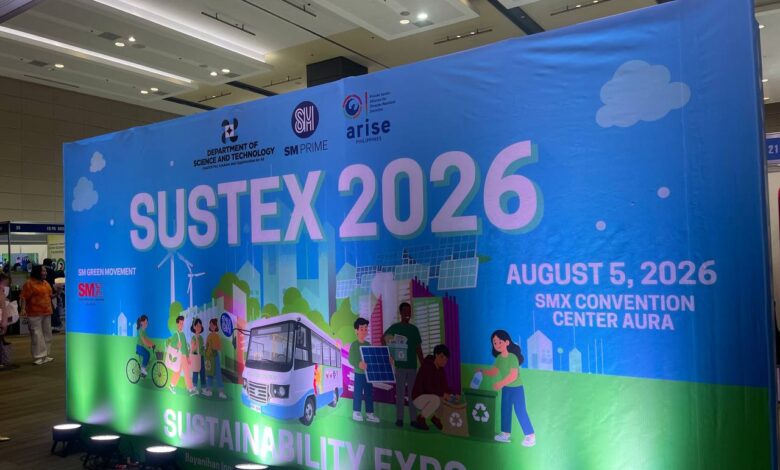
It’s easy to assume the country simply lacks the technology to prepare. But after walking through SUSTEX 2026, that explanation no longer felt convincing. If anything, the event showed that many of the climate solutions in the Philippines already exist. The bigger challenge is getting them beyond research labs, pilot programs, and exhibition halls.
We Already Have the Technology
Climate change is no longer a distant problem. It’s becoming part of everyday life, from stronger typhoons and rising temperatures to coastal communities threatened by flooding, sea level rise, and land subsidence.
That’s what made SUSTEX 2026 stand out.
Instead of asking visitors to imagine the future, the event gathered researchers, universities, startups, businesses, and government agencies already working on practical solutions. Walking through the exhibition floor, one idea became impossible to ignore: the Philippines isn’t running out of climate innovation. It’s still figuring out how to bring those ideas into everyday life.
One of the strongest examples came from Earth observation technology.
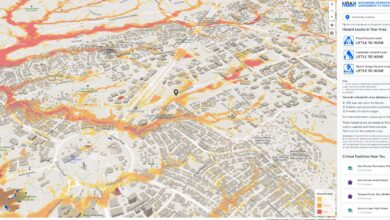
Through initiatives like the Copernicus Emergency Management Service (CEMS) and CopPhil, satellite data is helping Philippine agencies monitor floods, environmental changes, and even detect land movement long before it’s visible from the ground. One case presented during the conference showed how satellite radar tracked the gradual sinking of Sitio Pariahan in Bulacan over nearly two decades.
For residents, the change happened slowly enough to become part of everyday life. From space, however, it was impossible to miss.
It’s a reminder that climate resilience often starts with something simple: better information. Communities can’t prepare for risks they don’t know exist.
Climate innovation wasn’t limited to satellites.
The Electromobility Research and Development Center of Cagayan State University showcased electric tricycles designed specifically for local roads. Instead of asking drivers to buy entirely new vehicles, one of its projects converts existing gasoline-powered tricycles into electric ones, making cleaner transport more practical for people whose livelihoods depend on their daily commute.
It wasn’t the flashiest exhibit at SUSTEX 2026, but it may have been one of the most realistic. Sometimes, the best ideas aren’t the ones that reinvent everything. They’re the ones that improve what people already have.
So What’s Stopping Us?
Walking through the event, one realization kept coming back.
The country isn’t short on ideas.
Researchers are developing technologies that can detect climate risks earlier. Universities are building cleaner transport solutions around Filipino realities. Businesses are investing in more sustainable ways to operate. Many of these projects have already moved beyond the drawing board.
So why do they still feel like exceptions? Because building a good solution is only half the job.
The harder challenge is scaling it. New technologies need funding, infrastructure, policy support, and partnerships between government, businesses, and communities before they become part of everyday life. Without those pieces working together, even the most promising innovations can struggle to move beyond pilot projects.
That idea echoed throughout SUSTEX 2026 under the theme of Bayanihan Innovation. Climate resilience isn’t something a single institution can build alone. It requires scientists, entrepreneurs, policymakers, local governments, and ordinary Filipinos working toward the same goal.
In many ways, the technologies showcased at the event have already answered the question of what needs to be done.
The bigger question is who will help bring them to scale.
READ: Sustainable Ecotourism Built One Wave at a Time in Sorsogon
Beyond the Exhibition Hall
Climate change isn’t waiting for the next breakthrough.
Many of the technologies needed to make communities safer, transport cleaner, and disaster response more proactive already exist. The challenge isn’t discovering new ideas. It’s making sure the good ones reach the people who need them most.
That’s perhaps the biggest takeaway from SUSTEX 2026.
The Philippines doesn’t have a shortage of climate solutions.
The real challenge is making sure they don’t stay inside conference halls long after the conversations end.