
Dreaming of Japan? Here Are 5 Unusual OFW Jobs That Could Be for You
If you’re dreaming of working in Japan, unusual OFW jobs in Japan might not be the first opportunities you think about. Factory work, caregiving, construction, and service jobs are usually more familiar to Filipinos looking to work abroad. But Japan’s labor market is a lot more interesting than that.
There are jobs and services in Japan that sound like they came straight out of a movie: from cleaning properties after a lonely death to getting paid to wait in line.
Some are niche services rather than standard jobs for foreign workers, but they offer a fascinating look at the unexpected ways people make a living in Japan.
One important note: A job that exists in Japan isn’t automatically a job that a Filipino can take as an OFW. Some occupations below may not have a standard foreign-worker pathway. Always check the employer, job requirements, visa or status of residence, and proper recruitment process before applying.
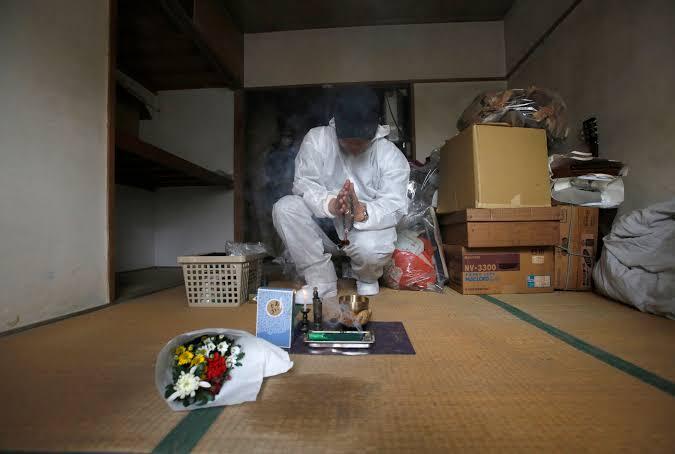
1. Special Cleaners Who Deal With Lonely Deaths
Cleaning someone’s home is one thing. Cleaning and sorting a property after someone has died alone is another.
Known as tokushu seiso, or special cleaning, this type of work can involve clearing belongings, cleaning affected areas, and preparing a property for its next occupants.
Some cases are connected to kodokushi, a term used for people who die alone and may not be discovered for some time.
The work isn’t simply about making a room spotless. Workers may encounter personal belongings, difficult conditions, and emotionally challenging situations. It requires someone who can handle both the physical demands of cleaning and the circumstances surrounding the job.
The need for these services has also drawn attention alongside Japan’s aging population and the increasing number of people living alone.
For Filipinos interested in cleaning work, Japan does have formal opportunities in the broader sector. Its Specified Skilled Worker program includes Building Cleaning Management. However, that doesn’t automatically mean specialized death-cleanup work falls under the same category.
2. Professional Guests and “Decoys”
What if your job was to pretend to be someone else’s friend?
Japan has had services involving sakura, or decoys, where people are hired to fill specific social roles. Depending on the service, a person might be hired to attend a wedding as a guest, participate in a meeting, or act as a friend or romantic partner.
It sounds bizarre at first. But the idea is pretty simple: someone needs a particular role filled, and another person is willing to play it for a fee. Sources also mentioned fake wedding guests, meeting participants, and even funeral attendees as examples of unusual work in Japan.
For aspiring Filipino workers, however, there’s an important distinction. These are niche services, not standard foreign-worker categories that should automatically be considered OFW opportunities.
Still, if you’re making a list of jobs that a Filipino can try in Japan, this one makes the list.
3. Ninja Trainers
Yes, ninja-related work can actually exist as part of Japan’s tourism and cultural experience industry.
Japan’s fascination with ninjas has helped create tourism and cultural experiences built around these famous historical warriors. Some roles can involve demonstrations, performances, or teaching visitors about ninja traditions and techniques.
For Filipinos who grew up watching Japanese anime, movies, or TV shows, getting paid to teach people about ninjas sounds like a pretty cool way to make a living.
But before you start practicing your ninja moves, there’s a reality check.
A ninja-related tourism or entertainment position doesn’t automatically qualify a foreign worker for a Japanese work visa. The applicable status of residence depends on the actual duties and the employer. Japan’s Specified Skilled Worker program covers several industries, including accommodation, but that doesn’t mean every tourism or entertainment job falls under the program.
So don’t start packing your ninja gear just yet. But if you have skills in tourism, performance, education, or cultural experiences, Japan’s wider tourism industry may offer possibilities worth exploring.
4. Professional Queuers
Filipinos know what it’s like to spend hours in a line. But would you do it if someone paid you? Sanay na sanay ang mga Pinoy pumila, making this one of the unusual OFW jobs you can try in Japan.
Japan has had services involving narabiya, or professional queuers: people hired to wait in line on behalf of someone else.
The idea is straightforward. Instead of spending hours waiting for a product, ticket, restaurant seat, or other service, customers can pay somebody else to do the waiting. Sources have reported that professional queuers could earn as much as ¥15,000 for several hours. Since that figure comes from older source material, it shouldn’t be treated as a current standard rate.
And, once again, this isn’t a conventional OFW employment route.
But it does offer an interesting glimpse into Japan’s service economy. When people place enough value on their time, even something as ordinary as standing in line can become a service someone else is willing to pay for.
5. Unusual OFW Jobs in Japan Aren’t Always What You Expect
Resource recycling may not sound as unusual as being a ninja trainer or professional queuer, but it is part of Japan’s current Specified Skilled Worker framework.
The program includes recycling and waste-processing work, along with industries such as manufacturing, construction, agriculture, food production, and accommodation.
For Filipinos planning to work in Japan, it shows that opportunities can go beyond the traditional jobs we’ve come to expect. Just make sure to check the specific job, qualifications, and visa requirements before applying.
Japan’s Job Market Is Bigger Than You Think
The real surprise isn’t necessarily that someone can get paid to wait in line or teach tourists how to be a ninja.
It’s that Japan’s employment landscape is broader than many Filipinos realize.
The country’s Specified Skilled Worker program covers a wide range of industries, including nursing care, building cleaning, construction, manufacturing, shipbuilding, automobile repair, aviation, accommodation, agriculture, fisheries, food manufacturing, food service, and resource recycling.
READ: Filipinos to Get 30 Percent of Japan Jobs, Bello Says
That doesn’t mean every job mentioned in this article is an option for Filipino workers.
A job existing in Japan is not the same as a job being legally available to an OFW.
Before applying, check the actual duties, employer, employment contract, qualifications, Japanese-language requirements, and applicable status of residence. Filipino applicants should also make sure they’re using the proper recruitment and deployment process.
For Filipinos dreaming of Japan, the takeaway is simple: don’t assume you already know all the jobs available there. Sometimes, finding the right opportunity starts with discovering that the job exists in the first place.