DepEd Boosts Tuition Assistance to Help Filipino Families Afford Private Education
The Department of Education (DepEd) is increasing its tuition subsidy for private junior high school students, giving Filipino families additional financial support as education costs continue to rise. Starting School Year (SY) 2027–2028, incoming Grade 7 beneficiaries of the Educational Service Contracting (ESC) program will receive higher annual grants. This marks the first adjustment to the subsidy rates since 2017.
For parents balancing tuition, school supplies, transportation, and other household expenses, the increase could provide much-needed financial relief.
DepEd Increases Tuition Subsidy Rates for Private Schools
Under the approved adjustment, annual ESC grants will increase across three location-based categories.
The new rates are:
| Location | Previous Annual Grant | New Annual Grant | Increase |
|---|---|---|---|
| National Capital Region (NCR) | ₱13,000 | ₱17,500 | +₱4,500 |
| Highly Urbanized Cities outside NCR | ₱11,000 | ₱14,500 | +₱3,500 |
| All Other Regions | ₱9,000 | ₱12,000 | +₱3,000 |
The increase amounts to ₱4,500 for students in NCR, ₱3,500 for those in highly urbanized cities outside Metro Manila, and ₱3,000 for beneficiaries in other regions.
With the revised rates, government assistance is expected to cover approximately 34% to 50% of mandatory tuition and miscellaneous fees.
The adjustment was approved through an ad referendum by the State Assistance Council, composed of representatives from DepEd, the Commission on Higher Education (CHED), the Department of Budget and Management (DBM), the Technical Education and Skills Development Authority (TESDA), and the Department of Science and Technology (DOST).
Higher Education Subsidies Could Ease the Burden on Parents
For families managing tight household budgets, education expenses can become increasingly difficult to sustain. Tuition is only one part of the cost. Transportation, meals, uniforms, books, and other school requirements add to the financial responsibility of keeping a child enrolled.
When these expenses become overwhelming, some students risk transferring schools or interrupting their education altogether.
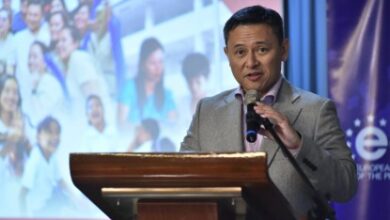
Education Secretary Sonny Angara emphasized that the higher subsidy recognizes the growing financial pressure on Filipino households and aims to prevent financial difficulties from forcing young Filipinos to stop studying.
He also highlighted the importance of keeping private education within reach of ordinary families, particularly as public schools continue to deal with overcrowded classrooms. By making participating private schools a more affordable option, the government hopes to ease pressure on public school facilities while giving more students opportunities to learn.
ALSO READ: Tipid Tips for Millennials
How the ESC Program Works
The ESC program operates under the Expanded Government Assistance to Students and Teachers in Private Education (E-GASTPE), a government initiative that helps eligible students attend participating private junior high schools.
Qualified students receive financial assistance for four consecutive school years, covering Grades 7 through 10. The subsidy is paid directly to participating private schools to help cover tuition and other mandatory school fees.
However, continued assistance depends on the student maintaining enrollment in an ESC-participating school and meeting the academic requirements for promotion to the next grade level.
The revised rates will initially apply to incoming Grade 7 ESC beneficiaries beginning SY 2027–2028. The increase does not automatically apply to all students currently enrolled in private junior high schools.
Making Quality Education More Accessible
The nearly decade-long gap between subsidy adjustments highlights the importance of keeping government assistance responsive to changing household expenses.
As tuition and other school-related costs continue to put pressure on family budgets, increased financial support can help parents sustain their children’s education without shouldering the entire expense alone.
The new ESC rates are a step toward making private junior high school education more financially accessible. More importantly, they reinforce the government’s commitment to ensuring that a family’s financial situation does not become a reason for a child to miss out on learning opportunities.
For Filipino parents, the additional assistance could mean one less financial hurdle to overcome as they work toward giving their children a better future.