
Balbal: The Monster That Steals the Dead
In Philippine folklore, the balbal is a creature that makes death even more terrifying. According to stories passed down in some communities, it prowls around wakes and burial grounds, searching for human corpses to devour. It is said to steal the dead and leave something else behind.
Imagine keeping vigil beside a loved one’s coffin, only to discover that the body inside is no longer human.
That is the horror behind one of the Philippines’ most unsettling mythical creatures.
What Is the Balbal in Philippine Folklore?
The Balbal in Philippine folklore is a corpse-eating creature associated with stories of supernatural beings that prey on the dead. In some accounts, it is described as a kind of aswang. In others, it has its own distinct characteristics and methods of hunting.
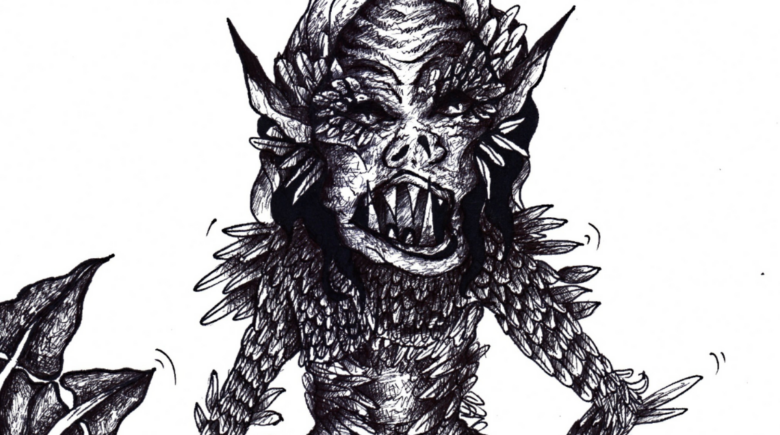
Descriptions vary by region, but the balbal is often portrayed as a monstrous being with long, curved claws, sharp teeth, an elongated tongue, and a foul smell. Some versions describe it as having an extraordinary sense of smell that allows it to locate corpses.
Unlike creatures that attack the living, the balbal’s appetite centers on the dead. Its presence turns a wake, a place meant for mourning and remembrance, into a setting for a different kind of fear.
These descriptions come from folklore, and details vary across tellings. There is no reliable evidence that the creature exists outside these stories.
Its Most Terrifying Trick: Replacing a Corpse
Among the most disturbing stories about the balbal is its supposed ability to steal a corpse without leaving mourners immediately aware of the theft.
According to some versions of the legend, the creature sneaks into a wake, takes the body, and devours the remains. It then leaves a banana tree trunk fashioned to resemble the deceased in the coffin.
The substitution is what makes the tale especially frightening. A family may believe it has kept watch over a loved one all night, only to discover that the body they mourned was never there.
Picture the scene: candles burn low, mourners struggle to stay awake, and the house grows quiet. Everyone believes the dead are safe. But in the world of the legend, exhaustion creates the perfect opportunity for something to slip in unnoticed.
The balbal’s supposed trick transforms an ordinary fear of losing a loved one into something far worse: the possibility that even death offers no protection.
ALSO READ: Tamawo: The Spirits Who Lure Humans Into Their Hidden World
The Balbal: A Disturbing Story From a Wake
The wake for Rodolfo Gomez, a former congressman, was supposed to be a time for family and friends to say their final goodbyes. Mourners gathered around the coffin, keeping vigil as the night grew late. Outside, the darkness settled over the house, and the hours passed slowly.
Then came a police dispatch.
What began as a call concerning a wake would take on a more unsettling tone when viewed against an old Filipino legend: the balbal, a creature said to steal corpses and feed on the dead.
According to folklore, the creature can slip into a wake unnoticed, take the body, and leave a banana trunk fashioned to resemble the deceased. By the time anyone realizes something is wrong, the real corpse may already be gone.
Imagine being among the mourners that night. You have spent hours beside the coffin, listening to whispered prayers and watching candlelight flicker across the room. Everyone believes the deceased is resting inside. But what if the body has been replaced? What if something has been watching the mourners, waiting for the perfect moment to strike?
That is the fear at the heart of the balbal legend: the possibility that the dead are not as safe as the living believe.
A note on the story: This is an unverified horror narrative, not an authenticated police report. The case reference and character details should not be interpreted as evidence that the incident actually happened. The supernatural elements draw on Filipino folklore surrounding the balbal.
How Can You Recognize a Balbal?
Stories about the balbal in Philippine folklore offer several supposed warning signs, though these vary across regional versions.
- A foul smell: Some accounts associate the creature with a strong, unpleasant odor.
- Long, curved claws: Its claws are sometimes described as tools for tearing into or carrying away a corpse.
- An unusual tongue: Certain tellings depict the balbal with a long tongue used to consume the dead.
- Strange behavior at a wake: In some versions, the creature can blend in with mourners. Other stories associate it with unusual yawning around a corpse.
These signs are part of the legend, not reliable ways to identify a real threat. Their significance depends on the particular story and community in which it is told.
Still, the idea that a monster could hide among grieving relatives adds another layer of dread. The danger, according to the tale, might not announce itself with claws or fangs. It might look like someone who came to pay their respects.
Why Does It Target the Dead?
In Philippine folklore, the balbal turns a wake into a place of danger. Some stories say mourners must stay alert to keep the creature from stealing the corpse, though these details vary by region.
The fear behind the legend is simple: even in death, a loved one may not be safe from being taken away.
The Balbal and the Fear of Losing the Dead
A balbal is frightening because its legend attacks something people usually consider sacred: the chance to mourn and say goodbye.
There is no credible evidence that the balbal exists. Its enduring place in Filipino horror comes from folklore, regional storytelling, and the fears that make supernatural tales linger long after they are told.
And in the world of the legend, the most unsettling thought is this: what if the body everyone has been watching all night was never the one they came to mourn?