Real Estate Market Sees Cautious Recovery Amid Uneven Demand
The Philippine real estate market is showing signs of resilience in the second quarter of 2026, but the recovery remains uneven as slower leasing activity, subdued condominium sales and elevated residential inventory continue to weigh on parts of the sector.
Colliers Philippines said occupier demand, tourism recovery, affordable housing and the growing need for modern logistics facilities are shaping the market, even as economic uncertainty continues to make businesses and consumers more cautious.
Office market remains steady despite slower activity
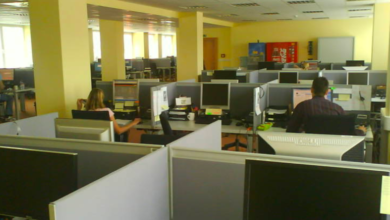
Metro Manila’s office market remained relatively stable in the second quarter, with vacancy holding at 19%, unchanged from the previous quarter.
Colliers expects vacancy to reach 19.3% by the end of 2026 as global uncertainties continue to affect leasing decisions.
The market has slowed during the first half of the year, but Colliers Director and Head of Office Services-Tenant Representation Kevin Jara said it is not contracting.
Net office take-up reached 91,000 square meters during the first six months of 2026, slightly below the 96,000 square meters recorded during the same period last year. Colliers expects full-year net take-up to recover to about 300,000 square meters as leasing activity improves.
Metro Manila recorded 335,000 square meters of office transactions during the first half, 24% lower than the 440,000 square meters recorded a year earlier. Makati CBD, Fort Bonifacio and the Ortigas fringe accounted for much of the activity, while outsourcing and shared services represented more than one-third of transactions.
The provincial office market experienced a sharper decline, with transactions falling to 65,000 square meters from 159,000 square meters during the first half of 2025.
Iloilo led the provincial market with 22,000 square meters of transactions, followed by Cebu with 19,000 square meters and Pampanga with 14,000 square meters.
Residential market remains under pressure
The residential condominium market continues to face some of the clearest signs of caution.
Colliers Director and Research Head Joey Bondoc said only around 2,500 condominium units were completed in Metro Manila during the first half of 2026, the lowest first-half completion level in two decades. Nearly 10,000 additional units are expected to be completed during the remainder of the year.
Residential vacancy stood at 24.9% during the second quarter, with the Bay Area recording a significantly higher vacancy rate of 58%.
The pre-selling market has also remained subdued. Developers launched approximately 2,600 condominium units during the first half, down 64% year-on-year, while sales reached only about 1,700 units, a 57% decline from the same period last year.
The market is also carrying a substantial inventory of unsold units. Metro Manila has approximately 80,000 unsold condominium units, including around 32,000 ready-for-occupancy units.
Despite these challenges, demand has not disappeared entirely.
The affordable and economic segments accounted for 67% of total residential take-up, highlighting continued demand for lower-priced housing even as the broader condominium market struggles with elevated inventory and cautious buyers.
Tourism supports hotel demand
The hotel sector is providing a brighter spot for the Philippine real estate market as tourism continues to recover.
Foreign visitor arrivals reached 3.16 million during the first half of 2026, up from 2.9 million during the same period last year. The Department of Tourism is targeting 6.4 million international arrivals for the full year.
Average hotel occupancy reached 63% during the first six months of the year, while average daily rates increased 2.4%.
Colliers expects hotel rates to increase by about 4% for the full year, supported by the recovery in tourism, a gradual improvement in meetings, incentives, conferences and exhibitions activity, and the return of higher-spending travelers.
Metro Manila is also set to receive around 2,490 new hotel rooms this year, the highest annual completion level in eight years.
Among the hotels completed during the first half were Alino Hotel in Quezon City, Wyndham Garden Manila Bay and Somerset Valero in Makati.
READ: Philippine Real Estate: Is Your House an Asset or a Liability?
Industrial property remains resilient
The industrial property market is also showing stronger conditions than some segments of the residential market.
Average vacancy across the CALABA corridor, Central Luzon and Metro Manila improved to 13.1% during the first half of 2026 from 14.1% in the second half of 2025.
Average warehouse rents reached ₱260 per square meter as demand for modern logistics facilities supported higher lease rates.
Colliers recorded 230 hectares of new industrial supply in Southern and Central Luzon during the first half and expects another 190 hectares to be added by the end of the year.
The performance reflects continued demand from businesses requiring modern warehousing and logistics facilities, providing one of the more resilient areas of the Philippine real estate market.
Recovery remains uneven
Colliers’ latest assessment presents a property market that is neither uniformly expanding nor uniformly contracting.
Office leasing has slowed, residential condominium sales remain subdued and unsold inventory remains elevated. At the same time, affordable housing continues to attract buyers, tourism is supporting hotels and demand for modern industrial facilities remains relatively strong.
The contrasting performance across sectors is increasingly defining the Philippine real estate market in 2026.
Rather than a broad-based rebound, the market is experiencing a selective recovery shaped by affordability, location, business demand and the strength of individual property segments.
For developers and investors, the environment calls for greater attention to where demand remains active and how quickly existing inventory can be absorbed. For buyers and occupiers, the elevated residential inventory and slower leasing activity may provide greater choice and negotiating room.
The latest Colliers data therefore points to a market that is recovering, but cautiously and unevenly, as the Philippine real estate sector adjusts to changing demand and a more uncertain economic environment.