
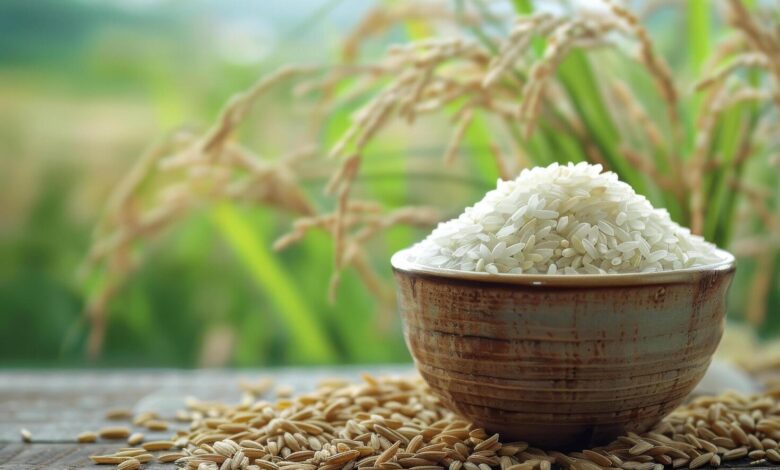
Palay prices up from last year as rice gets costlier
Palay prices are higher than a year ago, helping farmers recover from last year’s slump, but rice is also costing households more.
The national average farmgate price of dry palay, the unmilled rice farmers sell at harvest, reached ₱20.84 per kilo in September, up 33.6 percent from the same month last year, according to the Philippine Statistics Authority (PSA). It fell 6 percent from August.
A low base from last year
Much of the jump reflects how far prices fell in 2025. The farmers’ group Samahang Industriya ng Agrikultura (SINAG) said in September last year that palay prices in most areas stood between ₱10 and ₱12 per kilo, even after the government paused rice imports.
Farmers’ groups blamed cheaper imports for the slump, pointing to a 2024 order that cut the rice import tariff from 35 percent to 15 percent. Imports resumed on Jan. 1 after a four-month ban, with the tariff still at 15 percent.
Why prices rose
Tighter supply is the main reason. The PSA expects the July-to-September harvest to fall 17 percent from the previous year, after output hit a six-year low earlier this year.
Costs have climbed as well. The National Food Authority (NFA) raised its minimum buying price for wet palay to ₱21 per kilo from ₱17 starting in September, citing higher fertilizer and fuel costs.
Will prices stay up?
Harvest season is already testing prices. They fell from ₱22.16 in August, when they were 29.9 percent above a year earlier, and now sit below the Department of Agriculture’s (DA) target of about ₱22 per kilo for the September-to-November harvest.
The government is trying to prop prices up. Besides the higher NFA buying price, imported rice cannot be unloaded at Iloilo ports from mid-September to the end of November, the peak of the local harvest.
Imports are the bigger unknown. A new price-indexed system now moves the rice tariff between 15 and 35 percent depending on world prices, and the U.S. Department of Agriculture expects the Philippines to import more rice in 2026-2027 to cover the shortfall. However, it said the tariff system could temper that.
In short, the answer depends on three things: how much palay the harvest delivers, how much imported rice arrives, and how much the NFA buys.
READ: “Unli Rice” and Its Hidden Health Risks
What it means for rice buyers
At the store, buyers pay more, too. Regular-milled rice averaged about ₱50 per kilo in early September, 24 percent more than a year earlier, according to PSA data.
Rice inflation reached 19.4 percent in August, and for the poorest 30 percent of households it hit 23.6 percent in September, the PSA said.
One Comment