Instant Sinigang in a Cup? UP Researchers Turn a Filipino Favorite Into an Emergency Meal
Imagine enjoying a warm cup of sinigang by simply adding hot water. Researchers from the University of the Philippines Visayas (UPV) have developed instant sinigang that could soon become part of disaster relief packs for communities affected by typhoons, floods, and other emergencies. The project aims to give evacuees a convenient meal that tastes familiar while supporting local fishing communities.
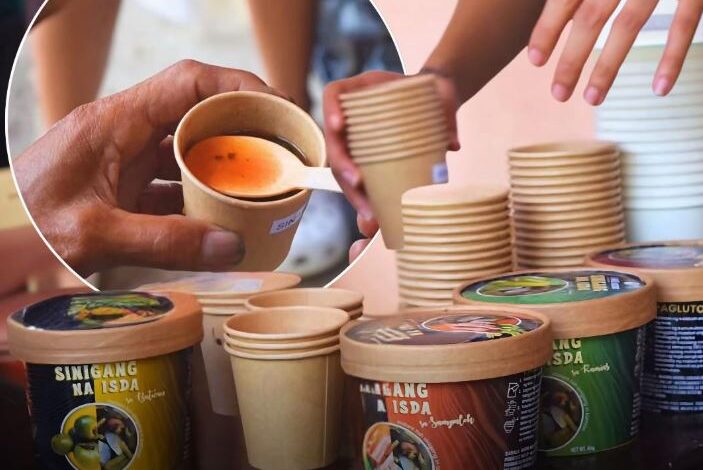
Called Seafood on the Spot (SOS), the product combines local fish, vegetables, and traditional Filipino souring ingredients in a ready-to-prepare cup. It also uses an edible seaweed-based film instead of the usual plastic seasoning sachet, making the innovation interesting beyond its convenience.
UP Visayas Turns a Filipino Favorite Into Instant Sinigang
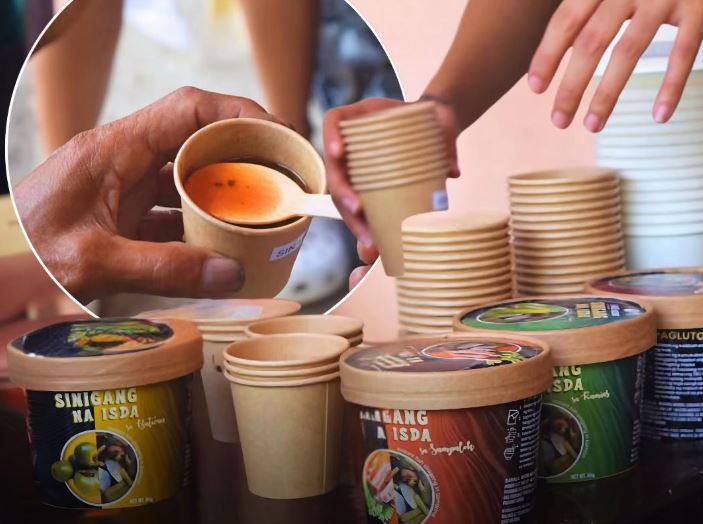
The Seafood on the Spot project was developed by UP Visayas through its Institute of Fish Processing Technology under the College of Fisheries and Ocean Sciences. It received funding from the Department of Agriculture’s Bureau of Agricultural Research (DA-BAR).
The researchers wanted to create a shelf-stable seafood meal that could be prepared using only hot water, making it useful during emergencies when cooking facilities are limited. Their instant sinigang aims to bring the familiar taste of home-cooked food to people staying in evacuation centers.
Local Fish and Vegetables Make Up the Recipe
The researchers used underutilized local fish such as salay-salay, also known as yellowstripe scad, which is often sold at low prices by small-scale fisherfolk. The meal also contains vegetables and uses sampalok, batwan, or kamias to create its signature sour flavor. By using fish that may otherwise have limited market value, the project could provide another source of income for local fishing communities. It also gives consumers a convenient way to enjoy a seafood-based Filipino dish during emergencies.
Its Seasoning Packet Is Made From Edible Seaweed
One of the most interesting features is its packaging, particularly the seasoning packet. Instead of using a conventional plastic sachet, the researchers developed a thin film made from seaweed that dissolves in hot water and is safe to eat.
This means users do not need to tear open and throw away a separate plastic packet when preparing the meal. The instant sinigang could therefore offer a more convenient preparation process while reducing one source of packaging waste.
ALSO READ: UP Manila Opens First Forensic Medicine Master’s Program
Residents in Three Disaster-Prone Areas Tried the Product
From August to October 2026, researchers conducted consumer testing in three communities: Nasidman in Ajuy, Iloilo; Barangay Carmen in Cagayan de Oro City; and Bulakan, Bulacan. These locations experience different hazards, including rough seas, flooding, and fires, making them useful places to evaluate potential emergency food options.
UP Visayas reported that preliminary results from around 230 consumer responses showed a purchase-intent rating of 5 out of 5. One Bulakan official also described the vegetable-filled meal as something that could become a hit among Filipinos.
The Product Still Needs Final Preparations Before Distribution
Although consumer testing has been completed, the product is not yet ready for nationwide distribution. The UP Visayas team is working on food safety registration, developing a more durable cup, and increasing the serving size. These improvements are important because relief meals must withstand storage, transportation, and distribution during difficult weather conditions.
Once these requirements are addressed, instant sinigang could become another option for local governments preparing food supplies for disaster victims.
A simple cup of instant sinigang
A simple cup of instant sinigang could eventually make disaster relief meals more familiar, convenient, and supportive of local producers. The UP Visayas project combines Filipino food traditions with practical food technology, giving evacuees another possible meal option beyond the usual canned goods and instant noodles. If the remaining safety and packaging requirements are completed, this innovation could bring a taste of home to Filipinos when they need it most.