Mental Health Crisis Means Youth Is No Longer the Happiest Time of Life
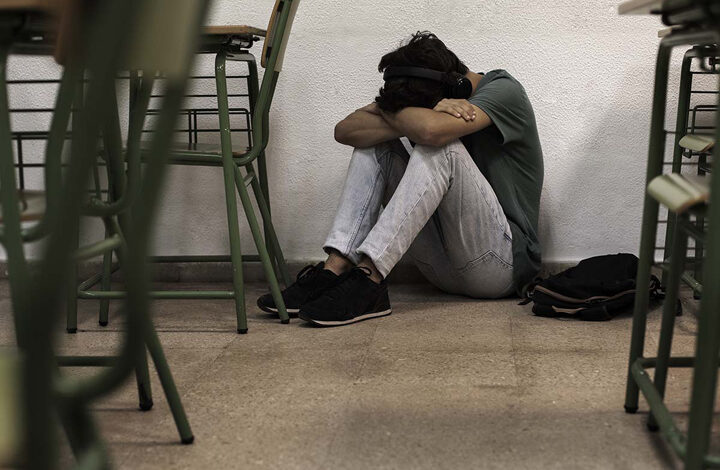
Youth used to mean something simple: freedom, energy, the best years still ahead. That image is harder to hold onto now. Across the UK, the US, and Australia, more young people are reporting anxiety, depression, and burnout than at almost any point on record, and the numbers keep climbing. What was once framed as a carefree stage of life has quietly become one of its most difficult.
A Generation Under Pressure
Ask anyone under twenty-five what their daily life feels like, and carefree is rarely the word they reach for. Academic pressure, social media comparison, economic uncertainty, and a near-constant stream of bad news have reshaped what it means to grow up. Mental health charities describe demand for youth services outpacing anything seen in previous decades, with waiting lists stretching for months in some regions. Many young people say they feel unheard, caught between expectations set by older generations and a world that looks nothing like the one those expectations were built for.
Why This Matters Beyond the Individual
This isn’t just a personal struggle playing out behind closed doors. When a large share of young people are unwell, the effects ripple outward: into schools, workplaces, and eventually into the wider economy and social fabric. Researchers warn that failing to address this now risks storing up far larger problems for the decade ahead, from reduced workforce participation to strained healthcare systems already stretched thin.
READ: Tired, Not Lazy: How Job Hunting Affects Our Mental Health
Fixing this won’t come from a single policy or campaign. It will take schools willing to treat mental health as seriously as exam results, governments funding services instead of just discussing them, and communities that make space for young people to struggle openly without shame. Early intervention matters more than crisis response, yet it remains chronically underfunded nearly everywhere. None of this is easy. But the alternative, a generation quietly worn down before adulthood even begins, is harder still.