Chiong Sisters Murder Case: The Tragedy That Shocked the Philippines
The Chiong Sisters murder case remains one of the most controversial criminal cases in Philippine history.
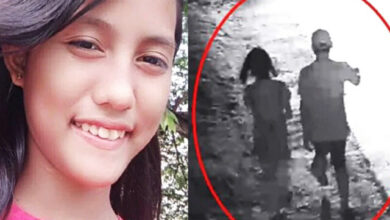
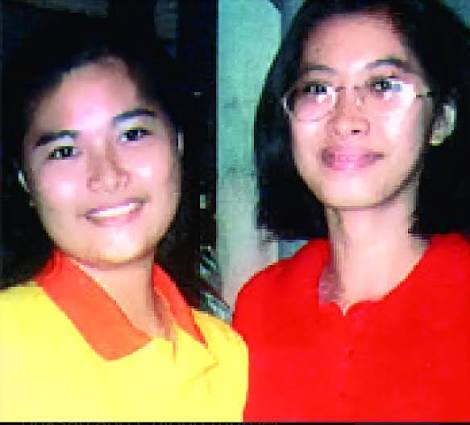
On a rainy night in Cebu in 1997, sisters Marijoy Chiong, 21, and Jacqueline Chiong, 23, were waiting for a ride home after coming from a mall. They never made it home. Two days later, Marijoy’s body was found at the bottom of a ravine in Tan-awan, Carcar, Cebu. Jacqueline, however, was never found.
What followed was a massive investigation, a highly publicized trial, a Supreme Court conviction, and decades of debate over the evidence and testimony presented in court.
What Happened to the Chiong Sisters?
The sisters disappeared on the night of July 16, 1997. According to the prosecution’s account, Marijoy and Jacqueline were waiting at a roadside waiting shed after leaving a large mall in Cebu City. A white car stopped in front of them. The men inside reportedly invited the sisters to get into the vehicle. When they refused, they were allegedly forced inside before the car sped away.
The family initially thought the sisters were simply having difficulty finding transportation because of the heavy rain. Their mother, Thelma Chiong, eventually became worried and asked her sons to look for their sisters. The family searched through the early morning before reporting the disappearance to police.
Marijoy Was Found Dead Two Days Later
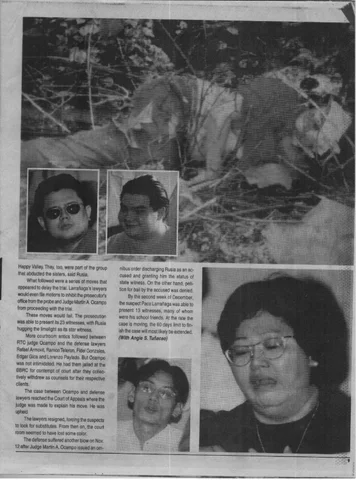
On July 18, 1997, authorities received a report about a woman’s body found at the bottom of a ravine in Tan-awan, Carcar, Cebu. Police went to the area and discovered the body. The family later confirmed that the victim was Marijoy.
She was still wearing clothing that relatives said she had been wearing when she left home. Jacqueline, however, was nowhere to be found. Her disappearance would become one of the most haunting parts of the case.
“Jacqueline is missing up to this day.”
The Men Accused in the Chiong Sisters Murder Case
The investigation eventually focused on seven men who became known in media reports as the “Chiong Seven.”
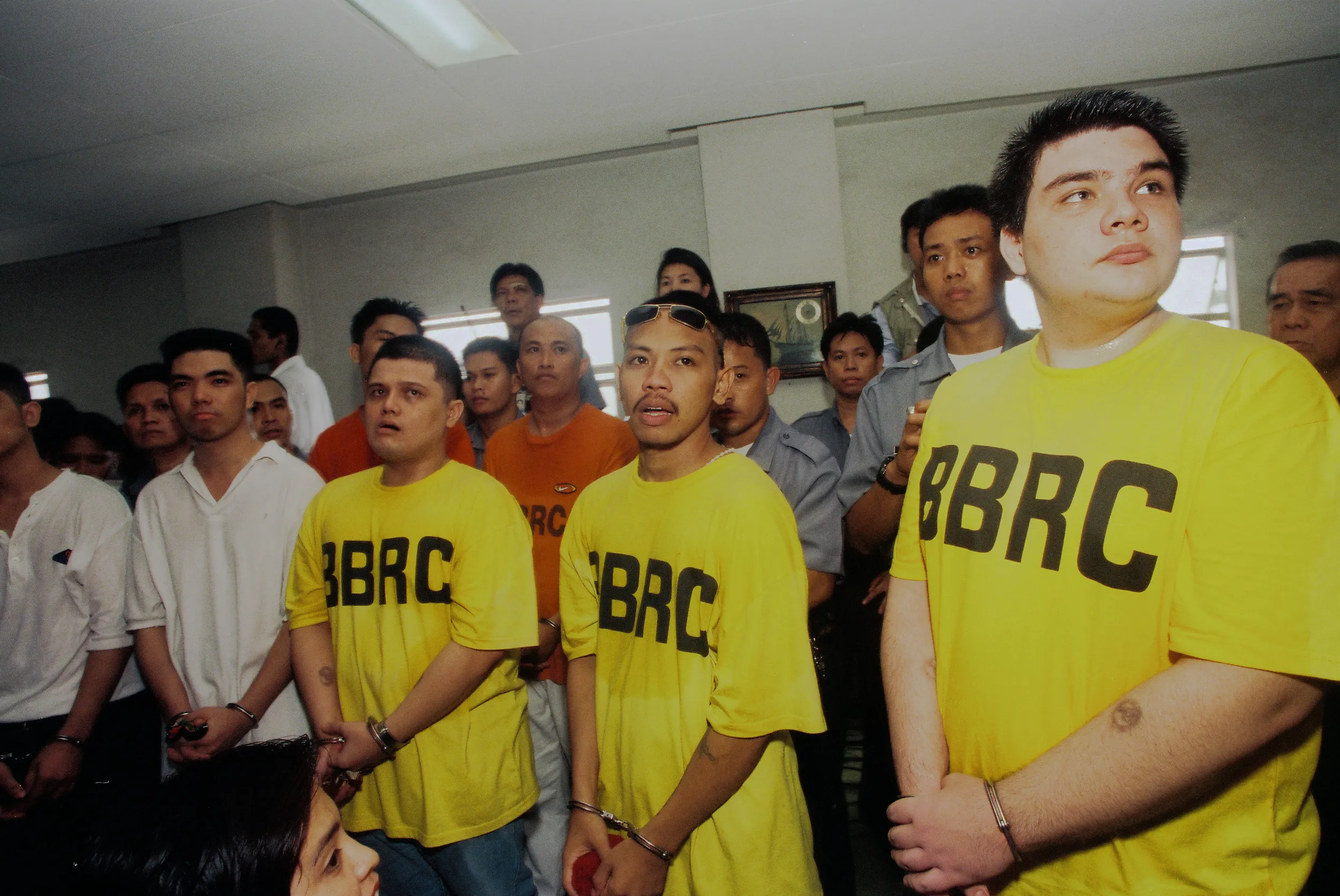
They were:
- Alberto Caño, also known as Allan Pahak
- Ariel Balansag
- Rowen Adlawan, also known as Wesley
- Josman Aznar
- James Andrew Uy
- James Anthony Uy
- Francisco Juan “Paco” Larrañaga
One of the most prominent accused was Larrañaga, who was described in the supplied account as a Spanish-Filipino citizen connected to the influential Osmeña political clan.
But Larrañaga’s involvement became the center of one of the biggest controversies surrounding the Chiong Sisters murder case.
The Star Witness Who Came Forward 10 Months Later
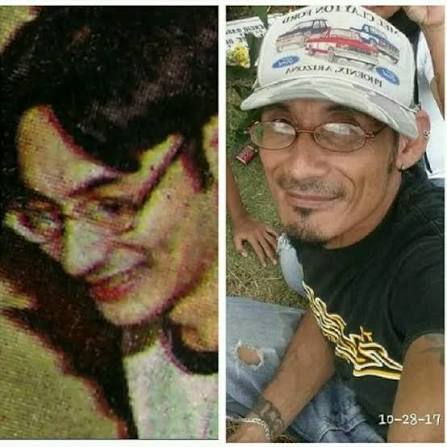
A major development happened on May 8, 1998, almost 10 months after the sisters disappeared. A man named Davidson Rusia went to police and said he had participated in the crime. He reportedly told authorities that he had been haunted by guilt and nightmares involving the Chiong sisters. Rusia also named the seven other men allegedly involved.
His testimony became a crucial part of the prosecution’s case. According to Rusia’s account, the sisters were forced into a vehicle before being brought to a house in Guadalupe, Cebu. He claimed that he saw Larrañaga and the Uy brothers there. The sisters were later taken to a white van before the group traveled toward Carcar.
Rusia’s testimony described sexual assaults against the sisters and the subsequent attack on Marijoy. He also admitted that he himself raped Jacqueline. The accused, however, denied Rusia’s allegations.
Why Was Paco Larrañaga’s Alibi So Controversial?
One of the biggest questions in the Chiong Sisters murder case involved Larrañaga’s claim that he was not in Cebu when the crime happened. His defense presented numerous witnesses who said he was in Quezon City.
According to the supplied account, around 40 people testified or provided evidence supporting his alibi. His classmates and teachers reportedly said he was attending activities at the Center for Culinary Arts in Quezon City.A condominium security guard also testified that Larrañaga entered the building at around 10:15 p.m. on July 16.
Airline representatives also reportedly testified that Larrañaga’s name did not appear on passenger manifests for flights from Manila to Cebu on July 15 or 16.
The defense therefore argued that he could not have been in Cebu when the crime occurred.
But the prosecution presented a different story. Other witnesses claimed they had seen Larrañaga in Cebu that night. Two women reportedly said they saw him and Josman Aznar at Ayala Mall. A security guard also testified about seeing Larrañaga at the mall.
The Trial Lasted Nearly Two Years
The trial began in September 1997 and continued until May 5, 1999. The Cebu trial court eventually found the seven accused guilty.
The initial conviction was for kidnapping with serious illegal detention, with the court imposing double reclusion perpetua on each accused.
But the case did not end there. The accused appealed, and the case eventually reached the Supreme Court.
What Did the Supreme Court Decide?
On February 3, 2004, the Supreme Court issued its ruling.
The Court found the testimony of Davidson Rusia credible after reviewing his account alongside other witness testimonies and physical evidence.
The Court also noted that several witnesses who supported the prosecution did not personally know one another and were considered “disinterested witnesses.”
The Supreme Court also rejected the accused’s alibis.
According to the ruling described in the supplied material, the accused had to establish that it was physically impossible for them to be at the crime scene.
The Court found that they failed to do so.
The Court also accepted evidence identifying the body as Marijoy, including fingerprint evidence and identification by the Chiong family.
The final ruling found the accused guilty beyond reasonable doubt of the special complex crime of kidnapping and serious illegal detention with homicide and rape.
Six adults were sentenced to death, while James Anthony Uy, who was a minor at the time, received reclusion perpetua. James Andrew Uy was later also recognized as a minor at the time and had his sentence reduced to reclusion perpetua.
Why Did the Case Remain Controversial?
Despite the Supreme Court ruling, the case continued to divide public opinion.
The Larrañaga family maintained that Paco was innocent and questioned how the court could reject the testimony of roughly 40 people who said he was in Quezon City.
The defense also raised questions about the investigation, the credibility of Rusia, the handling of evidence, and the conduct of the trial.
Rusia’s own background became another point of attack.
The defense highlighted his previous criminal record, history of illegal drug use and other personal circumstances to challenge his credibility.
There were also allegations that police pressured or tortured him into giving his testimony. These allegations were part of the controversy surrounding the case.
The Case Became the Subject of a Documentary
Years after the convictions, the controversy reached a new generation through the documentary “Give Up Tomorrow,” released in 2012.
The documentary presented arguments and evidence from the Larrañaga family’s side and questioned aspects of the police investigation and trial.
It helped revive the debate surrounding the Supreme Court’s ruling and once again divided public opinion.
What Happened to the Convicts?
The case continued making headlines years after the Supreme Court decision.
In 2009, the Philippines and Spain entered into a prisoner exchange treaty. Because of this, Larrañaga was transferred to Spain to serve the remainder of his sentence.
In 2019, controversy erupted again when several convicts were released under the Good Conduct Time Allowance (GCTA) law.
The Chiong family protested the releases.
President Rodrigo Duterte ordered the convicts to return to prison, and Josman Aznar, Ariel Balansag, Alberto Caño, and James Anthony Uy surrendered on September 6, 2019.
The supplied material also states that Rowen Adlawan died in December 2021, while James Anthony Uy was released in May 2024 and Josman Aznar in March 2025. James Andrew Uy was still processing his documents according to the material.
ALSO READ: Eileen Sarmenta & Allan Gomez: The Murders That Shook the Nation
The Death of Judge Martin Ocampo
Another shocking chapter came after the trial.
On October 7, 1999, just months after the Cebu Regional Trial Court issued its guilty verdict, Judge Martin Ocampo was found dead inside a hotel room.
According to forensic findings cited in the supplied material by pathologist Dr. Raquel Fortun, the judge died by suicide.
His death nevertheless generated speculation because of his role in the controversial case. The supplied account notes that no clear reason was established for why he took his own life.
Why the Chiong Sisters Murder Case Still Matters
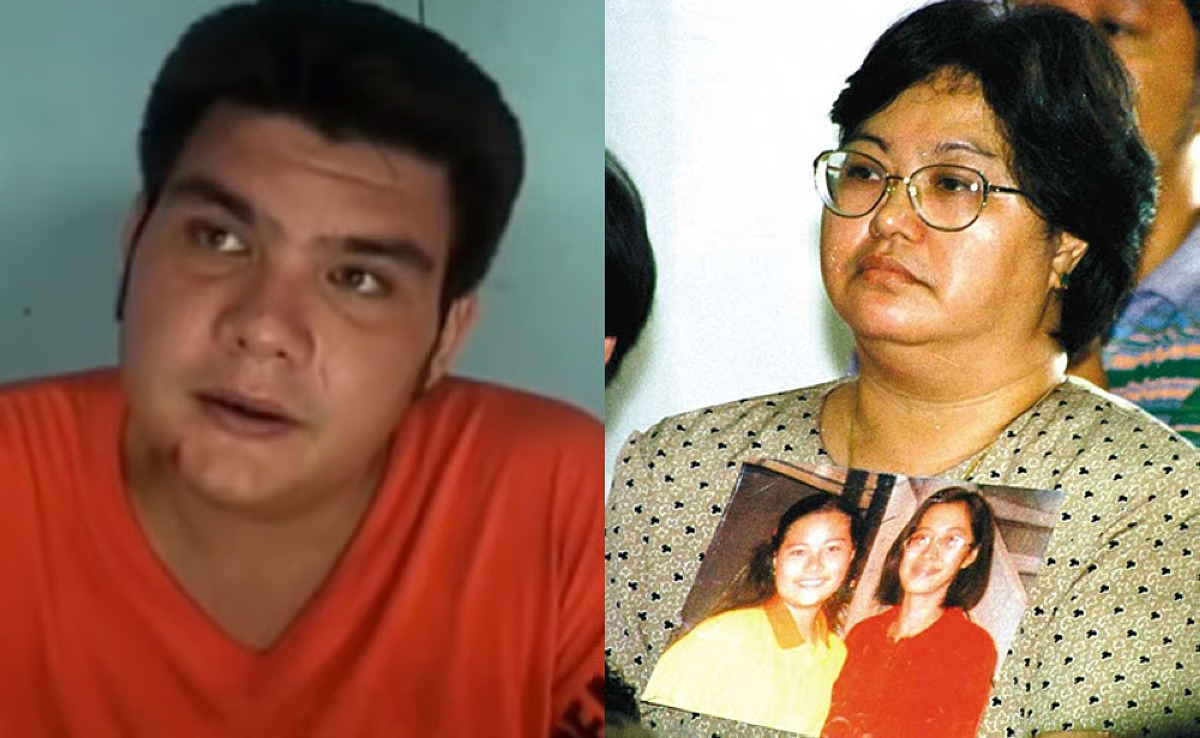
Nearly three decades later, the case remains deeply embedded in Philippine criminal justice history.
For some, the Supreme Court’s ruling provided an answer and affirmed that the prosecution had presented enough evidence to establish guilt beyond reasonable doubt.
For others, the case remains an example of how difficult it can be to determine the truth when witnesses, alibis, investigative procedures and competing narratives collide.
The most important fact, however, remains the victims.
Marijoy and Jacqueline Chiong were two young sisters who left home on a rainy night and never returned together.
Marijoy was found dead.
Jacqueline has never been found.
“Two innocent sisters, standing outside a mall on a rainy night, had their lives and futures stolen from them.”
And that is why, despite the decades that have passed, the Chiong Sisters murder case continues to raise questions about justice, evidence and the search for truth.