
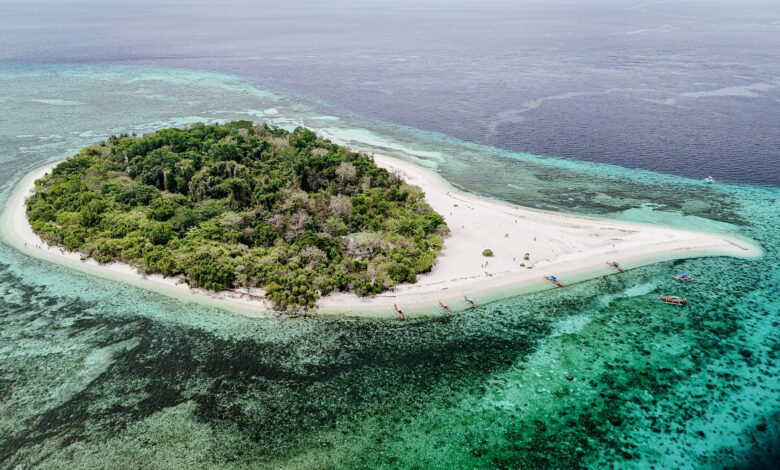
Camiguin Island Is More Than a Beach Trip
Camiguin Island had already been attracting travelers with its volcanoes, waterfalls, beaches and hot springs. Then the New York Times put it on a much bigger map by naming it one of its 52 Places to Go in 2026.
The volcanic island was the only Philippine destination included in the annual list, coming in at No. 37. For the New York Times, Camiguin stood out as a destination built around water, from white sandbars and sea turtles to hot springs and waterfalls.
But there is more to Camiguin than beautiful water.
An Island Built by Volcanoes
Camiguin’s landscape is a product of its volcanic past.
The island is known for its lush mountain peaks, black-sand beaches, and coconut trees, with volcanic terrain shaping much of the scenery travelers encounter today. The New York Times described it as a volcanic island in the southern Philippines with plenty of mountains and beaches, despite having no traffic lights.
That unusual combination gives Camiguin a character that feels different from the country’s better-known beach destinations.
You can spend the morning in the mountains, the afternoon in the sea and the evening soaking in a hot spring.
And you don’t have to leave the island to do it.
Camiguin Is a Water Lover’s Playground
Water is the big reason the New York Times highlighted Camiguin.
The island is surrounded by sandbars and waters where visitors can spot sea turtles. Inland, there are hot and cold springs and waterfalls that have become part of the island’s tourism experience.
White Island is perhaps the most recognizable example. The shifting sandbar sits off the coast of Camiguin, with views of the island’s volcanic mountains rising in the background. It is the kind of scenery that looks almost too convenient to be real.
But Camiguin doesn’t stop at beaches.
Katibawasan Falls drops through lush vegetation, while the island’s springs offer a different way to experience its volcanic landscape. That variety is part of the appeal.
You don’t have to choose between a beach holiday and an adventure trip. Camiguin gives you both.
There Is History Beneath the Scenery
The island’s appeal also comes from what happened here long before it became a tourism destination.
One of Camiguin’s most recognizable landmarks is its Sunken Cemetery, where a huge cross marks a cemetery that was submerged following a volcanic eruption in the 1870s.
The site has become one of the island’s defining landmarks, but it is also a reminder that Camiguin’s landscape is closely tied to its volcanic history.
The island’s cultural attractions extend beyond the cemetery, too.
The New York Times highlighted its local cuisine, eco-farm experiences, and the annual Lanzones Festival, which celebrates one of Camiguin’s best-known fruits.
So while the beaches might get the Instagram posts, the island’s identity runs much deeper.
Camiguin Island Is Changing, Too
The New York Times feature wasn’t only about what Camiguin already has.
It also pointed to improvements being made around the island.
The circumferential road, which runs for roughly 64 kilometers around Camiguin, was undergoing widening work, while the island’s first boardwalk in Mambajao was planned for 2026. The province was also developing its reputation as a sports tourism destination through swimming, running, and triathlon events.
That matters because Camiguin’s growing popularity isn’t happening in isolation.
The province recorded 397,818 tourist arrivals in 2025, up 37.86% from the previous year, according to figures reported by the Philippine Information Agency. More than 21,000 of those visitors were foreign nationals.
The New York Times recognition arrived as the island was already trying to position itself for more international visitors.
The World Is Finally Looking at Camiguin
For years, Camiguin has existed in a slightly strange position.
It has the scenery of a major Philippine tourist destination, but it has never had quite the same international profile as Boracay, Palawan, or Cebu.
Being named one of the New York Times’ 52 Places to Go in 2026 doesn’t suddenly make Camiguin beautiful. The island was volcanic, green, and surrounded by clear waters long before a newspaper in New York noticed it.
What the recognition does is introduce Camiguin to travelers who may never have considered it before.
And perhaps that’s the interesting part.
The Philippines has more than 7,000 islands, but sometimes it takes someone from halfway around the world to remind us that there are still places here worth discovering.
Camiguin just happens to be one of them.