Baha sa Kalsada, Tuyo ang Gripo: The Angat Dam Crisis
Metro Manila is wading through floods while Angat Dam sits at a critical low. Why are we soaked outside yet about to lose water at home?
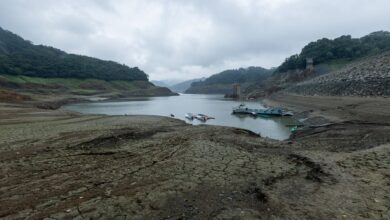
As of May, Angat Dam’s water level had already fallen to 179.60 meters, below its minimum operating level of 180 meters, and 5.72 meters below its rule curve, the target level needed to meet operational requirements. It has continued dropping since. By June 13, the water level had reached 164.02 meters — nearly 16 meters below the minimum operating level of 180 meters. At the time of writing, Angat Dam sits at 158.75 meters.
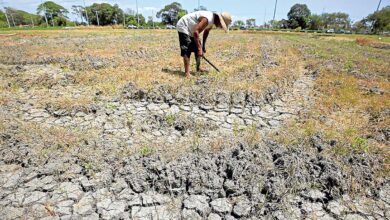
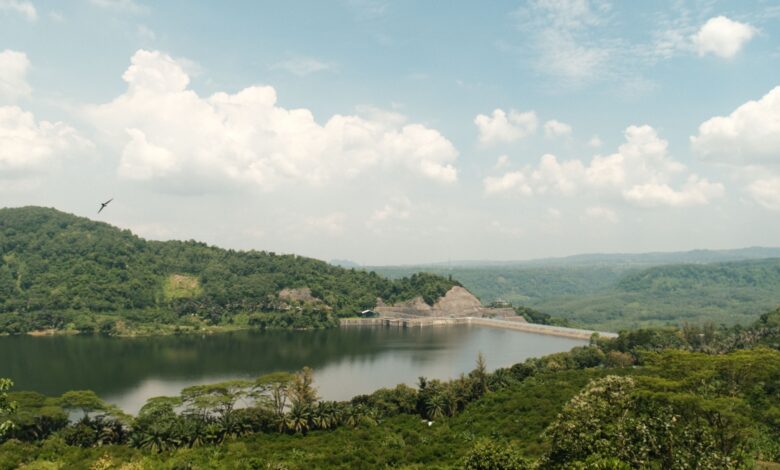
To put that in context: the normal high water level of Angat Dam is 210 meters. The dam supplies more than 90 percent of Metro Manila’s water needs, serving at least 14 million people in the National Capital Region. Beyond domestic use, it also provides irrigation for about 28,000 hectares of farmland in Bulacan and Pampanga, and generates 200 megawatts of electricity for the Luzon grid.
One structure. Water. Food. Electricity. All at once.
Flooded and Running Out of Water Simultaneously
This is the part that engineers explain, and almost nobody hears: not all rain ends up in the dam.
The floodwater on Metro Manila’s streets is surface runoff; water that can’t be absorbed by the ground or carried away by a drainage system that was never adequate for the volume it receives. It doesn’t get redirected to a reservoir. It sits in the streets, flows into the bay, and disappears. The water that fills Angat Dam comes from the Angat River watershed in Bulacan, not from Metro Manila’s flooded intersections.
The problem is that as of late June, PAGASA recorded only 120 millimeters of rainfall nationwide. That is just half of the projected rainfall for the entire month. The rain falling on Metro Manila isn’t enough, and the rain that the dam actually needs hasn’t arrived in sufficient volume.
So you get the maddening paradox: flooded commute and a water rationing notice.
This Has Happened Before — And That’s Exactly the Problem
On July 18, 2010, at the height of a strong El Niño, Angat Dam hit its lowest recorded level at 157.56 meters. Nearly 3 million Maynilad customers were affected, with supply completely cut in 32 barangays. Residents endured long lines at fire trucks and water tankers for nearly a month until the rains replenished the dam in September.
It happened again on June 23, 2019, when the dam dropped to 159.43 meters amid another El Niño episode. Just months after one of Metro Manila’s worst water crises, triggered by record-low levels at La Mesa Dam.
Today, Angat is approaching those same levels. The difference this time is that we’ve been here before. Twice. With documented consequences, documented timelines, and documented suffering. And yet the structural conditions that allowed it to happen then are largely still in place now.
The question worth asking as citizens, as voters, as people who pay water bills, isn’t “Why is the dam low?” The question is: Why aren’t we better prepared after it’s happened twice already?
Right now, the National Water Resources Board has suspended water allocation for farmlands to preserve it for domestic use. The NWRB is also inspecting standby deep wells as possible additional water sources and studying alternative supply options, including Laguna de Bay and water treatment facilities in Parañaque and Cavite.
These are emergency responses. They are not long-term solutions. And the uncomfortable truth is that Metro Manila has no adequate alternative to Angat Dam, not yet, and not soon enough.
Other mitigation measures currently being deployed include the establishment of additional deep wells and cloud seeding operations.
Cloud seeding. For a metropolitan area of 14 million people. In 2026.
Long-promised alternative water source projects like the Kaliwa Dam remain in various stages of progress, delay, and bureaucratic limbo. Meanwhile, Angat keeps dropping.
READ: Sponge Cities Explained: A Smarter Way to Fight Flooding
What You Can Do Right Now
This isn’t the kind of article that ends with “there’s nothing we can do.” There is.
At the household level: check every faucet and fixture for leaks and fix them today, not next week. Don’t leave water running while washing dishes or brushing teeth. Fill large storage containers while the supply is still stable. And as basic household preparedness, know where your water shutoff valve is.
PAGASA has said that rainfall is expected to increase by the second or third week of July. This should allow the reservoir’s water level to begin recovering, with monsoon rains potentially helping replenishment. That’s the best-case scenario, and it may yet arrive.
But “the rains might save us” is not a water management strategy. It’s a prayer.
With forecasts of a possible strong El Niño that could persist until 2027, concerns about the long-term reliability of Angat Dam as Metro Manila’s primary water source are growing.
Store water. Conserve water. And make some noise about the fact that in 2026, the capital of the Philippines is still one dry month away from a crisis it has already survived twice before.
That’s not resilience. That’s repetition.