
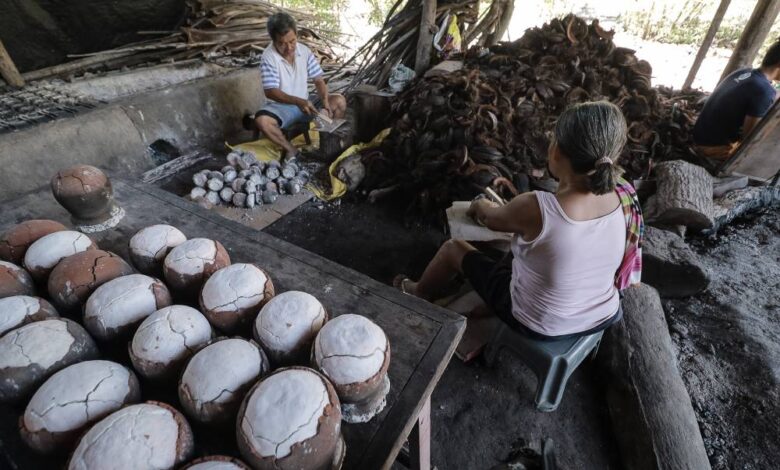
Asin Tibuok: The Traditional Bohol Salt That Keeps Filipino Heritage Alive
In Bohol, a unique salt-making tradition continues to connect communities with generations of Filipino heritage. Known as asin tibuok, this traditional salt is more than an ingredient used in cooking. Its distinct appearance and labor-intensive production process reflect the skill, patience, and cultural knowledge passed down through generations.
What makes asin tibuok special?
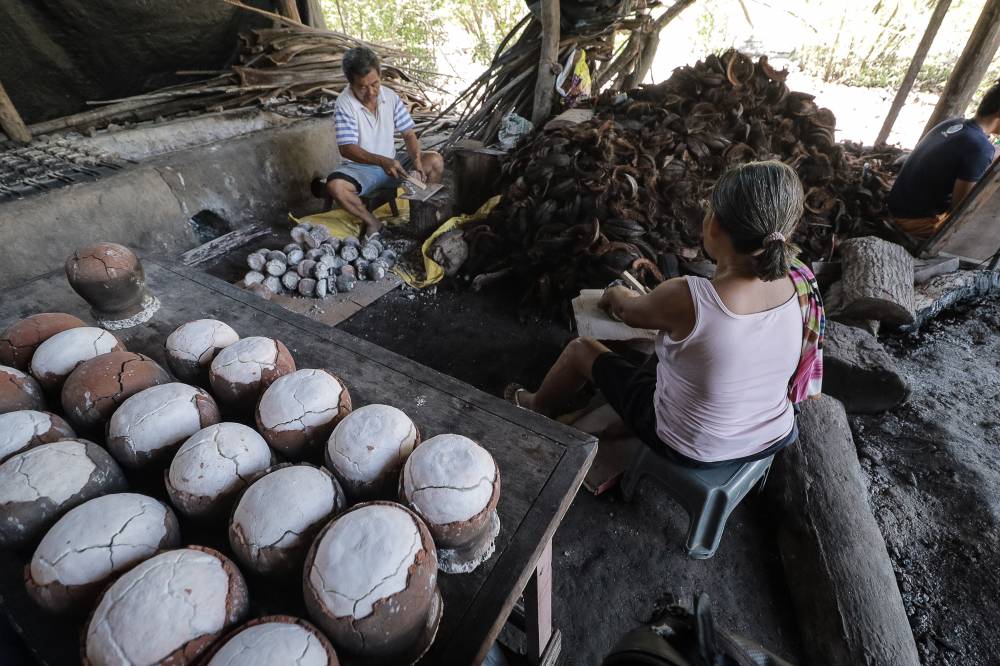
Asin tibuok is a traditional Boholano salt known for its distinctive round shape and handmade production. Unlike ordinary table salt, it is created through an age-old process that can take several days to complete. Local salt makers carefully transform seawater into salt using traditional methods and materials. The finished product is not only useful in the kitchen but also represents an important part of Bohol’s cultural identity.
The process requires patience and careful attention from the people who make it. Each piece reflects the time and effort invested by local artisans. This makes the salt different from mass-produced varieties commonly found in stores. For many communities, its value goes beyond its culinary use.
How is asin tibuok made?
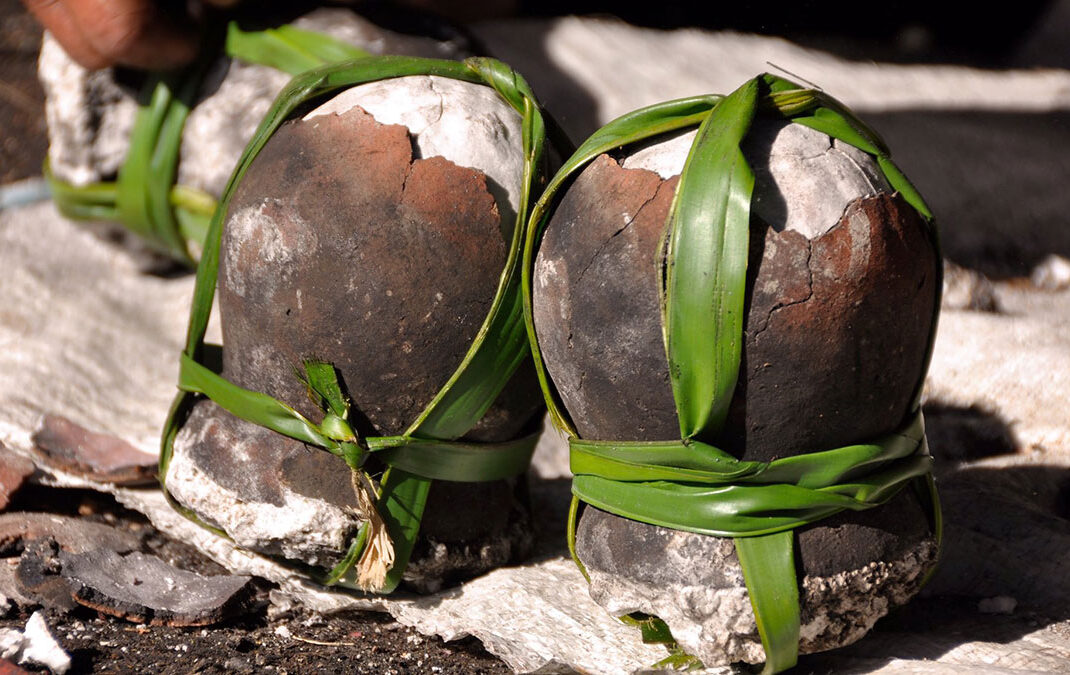
The traditional production of asin tibuok begins with seawater collected by local salt makers. The seawater is slowly filtered through layers of ash made from selected plants, allowing the salt content to become more concentrated. The concentrated brine is then processed further until salt crystals begin to form. This careful process requires knowledge of techniques that have been practiced for generations.
The use of plant ash is one of the features that makes this traditional method unique. Salt makers need to carefully manage each stage to produce the desired result. The process is considerably more labor-intensive than modern salt production. Because of this, every finished piece represents a significant amount of time and craftsmanship.
A tradition passed down through generations
For generations, asin tibuok has served as more than a source of salt for Boholano communities. It has also become a way for traditional knowledge and local practices to survive through changing times. Older generations have passed the techniques to younger artisans, helping preserve the craft. This connection between generations gives the salt a cultural value that cannot be measured by its use as a seasoning alone.
Traditional crafts like this can also tell stories about how communities once lived and worked. The production of salt reflects people’s relationship with the sea, natural resources, and their local environment. Preserving these practices helps keep those stories alive. It also gives younger generations an opportunity to understand an important part of their cultural heritage.
ALSO READ: Cotabato: Weaving a Tapestry of Nature and Tradition
Why supporting local salt makers matters
The continued appreciation of asin tibuok can provide opportunities for the communities involved in producing it. Local artisans can benefit from demand through cultural tourism, specialty markets, and other opportunities that highlight traditional Filipino products. Visitors who purchase locally made products can also help create income for communities that continue these practices. In this way, cultural appreciation can become connected to local livelihood.
Supporting traditional products also encourages the preservation of skills that could otherwise disappear. When there is continued interest in a traditional craft, artisans have greater reason to keep practicing and teaching it. This helps maintain knowledge that has been passed down over many years. It also shows how local heritage can remain part of modern Filipino life.
Keeping Bohol’s salt-making heritage alive
Today, asin tibuok stands as an example of how traditional Filipino craftsmanship can continue to find a place in the modern world. Its unique production process highlights the patience and expertise of Bohol’s local artisans. At the same time, its connection to culture and community gives it significance beyond the dining table. The salt serves as a reminder that some of the country’s most meaningful traditions can be found in everyday products.
Preserving this asin means preserving more than a traditional food product. It means supporting the people who keep the craft alive and recognizing the knowledge behind every piece. As interest in local products and cultural tourism continues to grow, traditions like this can reach new generations. Bohol’s traditional salt-making heritage can therefore remain a living part of Filipino culture.
More than salt
Asin tibuok is more than salt—it is a symbol of Bohol’s traditional craftsmanship, community, and cultural heritage. From collecting seawater to carefully processing it through traditional methods, every step reflects generations of knowledge and dedication. Supporting local artisans and appreciating traditional products can help ensure that this unique craft continues.