
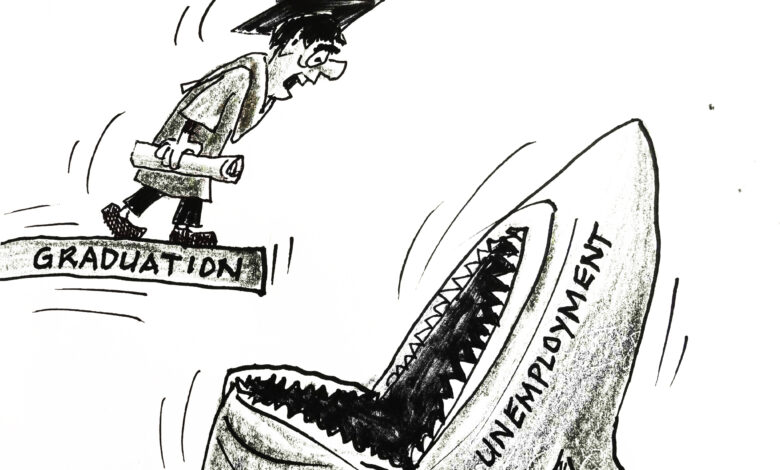
Are Filipino Graduates Prepared for a Job Market That Cannot Absorb Their Skills?
A college degree has long been seen as a pathway to better employment and financial security. However, many Filipino graduates struggle to find jobs that match their qualifications, while employers report difficulty recruiting workers with the skills they need.
This disconnect raises questions about whether universities are preparing students for actual industry demands and whether the Philippine economy can create enough quality jobs to absorb its growing pool of graduates.
The growing gap between education and employment
A 2024 study by the Philippine Institute for Development Studies (PIDS) found that the growing number of college graduates in the youth labor force was not matched by the labor market’s capacity to absorb them into appropriate positions.
Using Labor Force Survey data from 2016 and 2022, researchers found that some graduates were taking jobs that did not require college-level qualifications. The findings also raised concerns about declining wage advantages associated with a university degree.
The problem goes beyond unemployment. Graduates may find work but remain underemployed, earning less or performing tasks unrelated to their academic training.
Why employers still struggle to find workers
The skills mismatch also affects businesses. A February 2026 PIDS study on workforce readiness identified gaps in how education and training programs respond to industry requirements.
Differences in how government agencies classify middle-skilled workers also make workforce planning more difficult. Meanwhile, limited industry participation in curriculum development can leave graduates without the practical competencies employers expect.
As technology changes workplaces, industries increasingly need workers who can adapt to digital systems, specialized equipment, and evolving job requirements.
Technical-vocational education offers another path.
A four-year degree is not the only route to employment. PIDS research on technical-vocational education found that some graduates of post-secondary training programs achieve employment and earnings comparable to bachelor’s degree undergraduates.
This highlights the value of practical, competency-based training, particularly when programs reflect actual industry needs.
READ: Dreaming of Japan? Here Are 5 Unusual OFW Jobs That Could Be for You
Building a more employable workforce
Addressing the mismatch requires stronger partnerships among universities, employers, and government agencies. Schools need updated curricula, industry-led training, and meaningful internship opportunities. Employers must also help identify emerging skills requirements and provide entry-level opportunities.
Ultimately, the challenge is not simply producing more graduates. It is ensuring that education leads to meaningful employment while the economy generates enough quality jobs to use their skills.
A diploma should open doors, but both the education system and the labor market must make those opportunities possible.