Disaster Risk in the Philippines and Why We Keep Ranking First
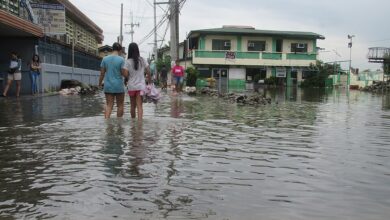
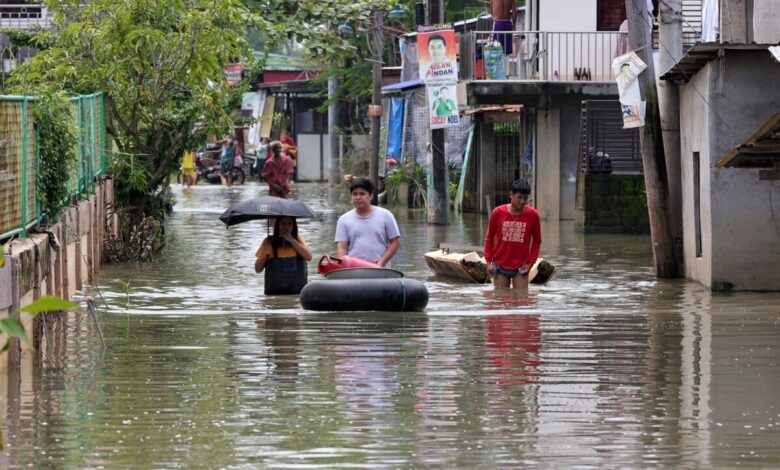
There are the brownouts. There’s coming home with wet socks. Later on, you’re asking the group chat if class is suspended or if you’re working from home. These are everyday scenarios that show how exposed we are to disasters. But they pale in comparison to this metric: the Philippines has once again ranked 1st in disaster risk.
Background of the Ranking
The World Risk Index 2026 gave the country a score of 46.69, placing it above 192 other countries.
Published by Bündnis Entwicklung Hilft and developed with the Institute for International Law of Peace and Armed Conflict (IFHV) at Ruhr University Bochum, the index assesses disaster risk through 2 factors: exposure to natural hazards and societal vulnerability.
Exposure refers to the extent to which people face hazards such as storms, earthquakes, tsunamis, flooding, droughts, and rising sea levels. Meanwhile, vulnerability considers how susceptible communities are to harm, their capacity to cope with disasters, and their ability to adapt over time.
A powerful storm doesn’t automatically result in the same level of damage everywhere. Infrastructure, access to assistance, and preparedness can all affect what happens next.
Why Are We Vulnerable?
Our location along the Western Pacific typhoon belt and the Pacific Ring of Fire exposes us to multiple hazards. The 2026 report highlights the country’s particularly high exposure to storms, earthquakes, tsunamis, sea-level rise, and coastal flooding.
But geography’s only part of the story. Communities with weaker infrastructure, limited resources, and inadequate protection can face greater consequences when disasters strike.
READ: Super El Niño Survival Guide: How Filipino Families Can Prepare for Drought and Extreme Heat
What Can Institutions Do?
This is why disaster risk reduction must go beyond preparing for the next typhoon. The report highlights stronger early warning systems, wider social protection, and better coordination between former disaster-response plans and community-based preparedness.
Environmental protection also counts. Mangroves, wetlands, and healthy forests can help reduce certain flood and coastal risks when protected and restored alongside other effective measures.
What Can We Do?
Preparedness still starts at home: keeping an emergency kit, knowing evacuation routes, and following reliable weather advisories. Communities also need accessible warnings, safe evacuation centers, and infrastructure designed around the risks.
We can’t stop every disaster from happening, but we can change how much damage it leaves behind. Being 1st in disaster risk should be more than a warning. It should be a push to protect our environment and strengthen our communities altogether.