Buckets, Dams and Cloud Seeding: How Our Neighboring Countries Are Preparing for El Niño
A bucket can help a family get through a water interruption. But as El Niño in the Philippines threatens to bring prolonged dry spells, water shortages, and agricultural losses, the bigger question is whether the country is prepared to manage the crisis.
President Ferdinand Marcos Jr.’s October 11 remarks about using buckets drew criticism from Gabriela party-list Representative Sarah Elago. The exchange raised questions about the government’s response to the looming dry season: What preparations are underway, and what can the Philippines learn from its neighbors?
Across Southeast Asia, governments face similar risks from El Niño. Their approaches offer lessons in water management, drought preparedness, and protecting communities before shortages worsen.
How Southeast Asian Countries Are Preparing for El Niño
Vietnam: Preparing for Water Shortages
Vietnam faces potential water shortages that could affect farms and households. Water-supply monitoring, reservoir management, and preparation for drought and saltwater intrusion are important in vulnerable agricultural areas, particularly the Mekong Delta, where farming depends heavily on reliable water supplies.
For the Philippines, the lesson is that drought preparation needs to begin before water becomes scarce. Monitoring reservoirs, planning irrigation, and issuing early warnings can help communities and farmers make decisions before conditions deteriorate.
Thailand and Cambodia: Protecting Agriculture
Thailand and Cambodia face risks from prolonged dry conditions, including potential pressure on agricultural production and water availability. These risks make water management and preparation for the dry season important parts of regional El Niño planning.
For the Philippines, agricultural preparedness should go beyond responding to crop losses after they happen. Farmers need timely forecasts, practical guidance, and information about available assistance before water shortages affect their livelihoods.
Indonesia and Malaysia: Managing Water and Farming Risks
Indonesia and Malaysia also face varying risks to water supplies and agriculture as rainfall patterns shift. The effects will depend on local conditions, making monitoring and location-specific preparedness important.
The Philippines faces a similar challenge: a national outlook is useful, but communities need to know what the forecast means for their particular water supplies, farms, and daily needs.
Singapore: Diversifying Its Water Supply
Singapore offers a different example through its diversified water system, which combines local catchment water, imported water, desalination, and recycled water.
Its approach highlights the value of reducing dependence on a single source. While Singapore’s resources and infrastructure differ from those of the Philippines, diversifying water supplies can be an important part of long-term water security.
These countries cannot simply copy one another’s strategies. Their geography, infrastructure, and water needs differ. Still, their experiences highlight the importance of planning ahead rather than relying on household conservation alone.
El Niño in the Philippines: What Is at Stake?
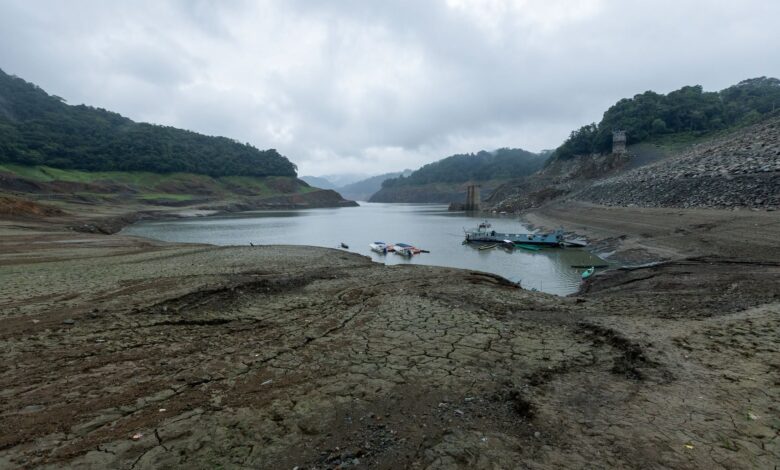
The Philippines is facing a potentially challenging dry season. According to PAGASA’s October 7, 2026, advisory, a strong to very strong El Niño is expected to continue into the first half of 2027 and may peak before the end of 2026. The weather phenomenon increases the likelihood of below-normal rainfall, dry spells, and drought in some areas, although local conditions can vary.
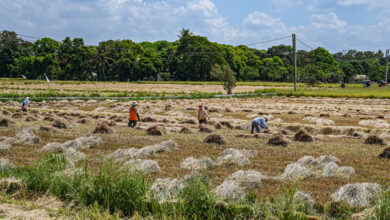
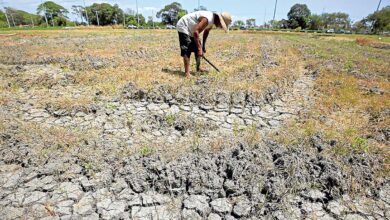
The effects could extend beyond water interruptions. Farmers may struggle with reduced irrigation, crop damage, and higher production costs. Prolonged heat can also put pressure on households, workers, and essential services.
READ: Super El Niño Survival Guide: How Filipino Families Can Prepare for Drought and Extreme Heat
The government has several responsibilities in managing these risks. Water agencies need to monitor supply and coordinate reservoir operations. Agricultural offices need to provide farmers with timely guidance and assistance. Local governments must communicate clear advisories and prepare for possible shortages in their communities.
For households, practical steps still matter. Families can store water safely, repair leaks, and follow local advisories. Farmers can consult municipal agriculture offices about drought-tolerant crops, irrigation schedules, and available support.
But household preparedness cannot replace public planning. Filipinos also need clear information about the measures being taken, the communities most at risk, and the support available when conditions worsen.
Beyond Buckets: What Should the Philippines Do?
Buckets have a place in El Niño preparedness. They can help families keep a limited supply of water during interruptions. But they are only one small part of a much larger response.
But as El Niño in the Philippines intensifies, the public deserves more than reminders to conserve water. People need to know what the government is doing to reduce the risk of shortages, protect agricultural production, and help vulnerable communities.
A bucket may help a household manage an interruption. A clear, coordinated public plan can help keep that interruption from becoming a wider crisis.