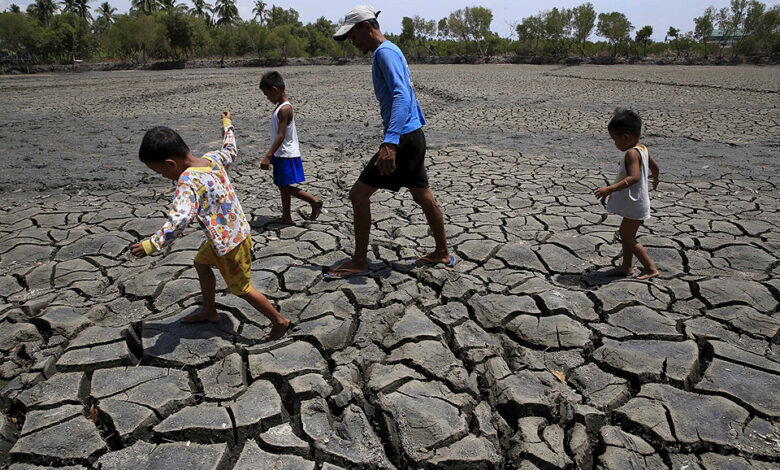
Lessons From a Dry Season
The Philippines has always lived with the realities of extreme weather. Some years bring prolonged drought, while others are marked by stronger typhoons and heavier rainfall. As climate patterns become increasingly unpredictable, the country must shift its focus from reacting to disasters to preparing for them.
Preparing for a changing climate
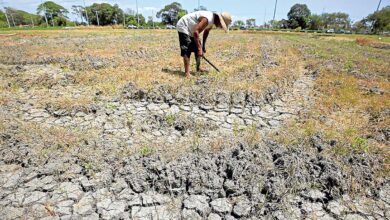
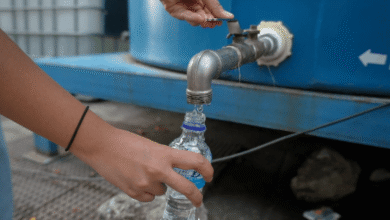
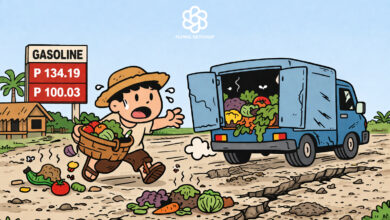
Recent years have shown how vulnerable our communities remain to prolonged dry conditions. Declining reservoir levels, reduced irrigation supply, and lower agricultural output place pressure not only on farmers but also on food prices and the broader economy. These challenges underscore a simple truth: climate resilience begins with reliable water security.
Strengthening agriculture through infrastructure
Agriculture remains among the sectors most vulnerable to changing weather patterns. Water shortages can disrupt planting schedules, reduce harvests, and weaken the livelihoods of farming communities. As demand for food continues to grow, ensuring a stable water supply becomes even more critical.
This is why investments in irrigation systems, water storage facilities, and multipurpose dams should remain a national priority. Modernizing existing infrastructure and expanding access to irrigation will help farmers become more resilient during periods of drought while improving productivity throughout the year.
Preparedness also requires close coordination among national agencies, local governments, and irrigation managers. Monitoring reservoir levels, improving water allocation, and adopting more efficient water management practices can help maximize available resources before shortages become critical.
READ: Running Dry: Why the Philippines Faces a Growing Water Crisis
Investing in long-term resilience
Climate experts continue to warn that rising global temperatures are increasing the frequency and intensity of extreme weather events. Whether the country faces El Niño, La Niña, or stronger tropical cyclones, the need for resilient infrastructure remains the same.
Beyond immediate assistance for affected communities, the Philippines must continue investing in climate-resilient agriculture, water conservation, and sustainable resource management. These are long-term investments that strengthen food security, protect livelihoods, and support economic stability.
As Senator Mark Villar has consistently emphasized, infrastructure is not only about improving mobility and connectivity. Investments in irrigation systems, water resource management, and other climate-resilient projects are equally essential because they help safeguard communities against the growing challenges posed by climate change.
Preparing for the next climate extreme should not begin when reservoirs reach critical levels or when farms have already suffered losses. It begins with sustained investments today that will ensure the country is better equipped to face whatever challenges tomorrow may bring.