It comes with the rain…Is Your Home Ready for Dengue Season?
July is here and so is dengue season. Here's what you need to check at home right now before the mosquitoes get there first.
Every July, two things arrive in the Philippines without fail: the rain and dengue.
This isn’t an exaggeration. It’s a pattern. One that repeats annually, with data, with DOH warnings.
In just the first two months of 2025, the Philippines recorded 62,313 dengue cases. 73 percent higher than the same period in 2024. The three regions with the highest numbers were Calabarzon with 12,735 cases, the National Capital Region with 11,291, and Central Luzon with 10,185 cases.
And that was before peak season even started.
Research consistently shows that seasonal dengue epidemics in the Philippines peak from July to September. Last year, in just a two-week window between July 20 and August 2, 2025, the country logged 15,161 dengue cases.
In other words, this is the most dangerous stretch of the year. And it starts now.
Rainy Season Makes It Worse
We know dengue is connected to water. But how specific is that connection?
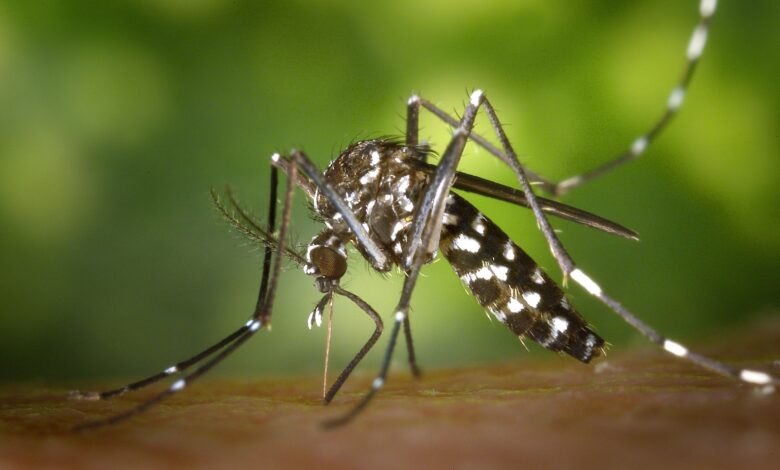
The dengue virus is transmitted by the Aedes aegypti mosquito, which breeds in clean, stagnant water commonly found in containers, flower pots, tires, and other water-holding receptacles. Not the murky floodwater on the street. The water pooling inside a disregarded de lata outside. The tray under your refrigerator. The flower pot left untouched.
Rain provides a constant, reliable supply of new water to every possible breeding ground around your home. More breeding grounds mean more mosquitoes. More mosquitoes carrying dengue mean more chances that someone in your household gets bitten.
The good news: dengue remains preventable. But only with consistent community action and early response to symptoms. The keyword there is consistent. Not one big clean-up drive in June and then nothing until September.
Your Home Is the First Line of Defense Against Dengue
The most effective dengue prevention doesn’t start at the hospital. It starts on a Saturday morning, a pair of gloves, and the willingness to look at the corners of your home you’ve been putting off.
The DOH recommends “Taob, Taktak, Tuyo, Takip,”
Taob (Turn over): Flip every container that could collect water. Buckets, basins, unused timba, even the lid of your trash can, sitting at an angle. If water can sit in it, turn it over.
Taktak (Shake out): Remove stored water from containers you can’t overturn. The plant pot with a drainage tray underneath, the dispenser base, and the plastic catching water under the sink. Shake it out and let it dry.
Tuyo (Keep dry): Make sure areas that get wet also get dry. The bathroom floor, the drainage channel in the yard, the corners near your washing area. Mosquitoes rest in damp, dark spaces.
Takip (Cover): For water containers you genuinely need, like drums or large storage tanks, cover them properly. Not loosely. Sealed.
READ: Weather Literacy and Staying Updated This Rainy Season
The problem with dengue in the Philippines isn’t a lack of information. We already know how it spreads and how to prevent it.
The problem is the gap between what we know and what we actually do.
Dengue prevention doesn’t require heroics. It requires regular, unglamorous maintenance of our own spaces.
July is here. The mosquitoes are coming.
The question is whether we act faster.