

WHY THE SENATE VOTE TO INSTALL A NEW SENATE PRESIDENT MATTERS
The House has impeached Vice-President Sara Duterte again, with a vote of 255-26-9, making her the first vice president in Philippine history to be impeached twice. Her allies are now moving quickly to strengthen their position in the Senate ahead of a possible trial that could have a big impact on the country’s political direction leading up to 2028.
This is why the recent leadership change in the Senate is now under close scrutiny.
A LEADERSHIP SHIFT AT A CRUCIAL MOMENT
The election of Senator Alan Peter Cayetano as Senate President, replacing Senator Vicente Sotto III, is more than a routine change in leadership. It signals a possible shift in balance inside the chamber at a time when political alliances matter greatly.
The vote was tight, 13 in favor, 10 against, and 1 abstention, showing a Senate that is clearly divided.
Under the new arrangement, Senator Sotto takes on the role of Minority Leader, while Senator Loren Legarda becomes Senate President Pro Tempore, replacing Senator Panfilo Lacson. The change was initiated through a nomination by Senator Imee Marcos, following earlier leadership transitions that saw Senator Francis Escudero replaced by Sotto in 2025.
This is not just a reshuffle of positions. It reflects shifting alignments inside the Senate at a politically sensitive time.
WHY LEADERSHIP MATTERS IN AN IMPEACHMENT TRIAL
Senator Cayetano’s leadership is drawing attention because of his perceived political proximity to the Duterte camp. In a closely watched impeachment process, this raises questions about how the dynamics inside the Senate may evolve.
It is important to be clear: the Senate President does not decide guilt or innocence. That decision belongs to the senators sitting as an impeachment court.
However, the Senate President plays a major role in how the process unfolds. The office controls the flow of business, sets priorities, and helps determine how hearings and proceedings are scheduled.
In practical terms, this means the leadership can influence the pace, structure, and overall direction of the trial process. While it cannot change the outcome, it can shape how that outcome is reached.
BEYOND IMPEACHMENT: OVERSIGHT AND ACCOUNTABILITY
The implications of the leadership change extend beyond the impeachment case itself.
With Senator Cayetano now presiding, attention is shifting to whether the Senate, particularly the Blue Ribbon Committee, will intensify its oversight functions. This includes potential investigations into issues such as the national budget or GAA and long-standing concerns over flood control projects. These issues have repeatedly surfaced in public debate but have not always led to sustained Senate scrutiny.
READ: 2025 Senators’ Promises: Will They Deliver?
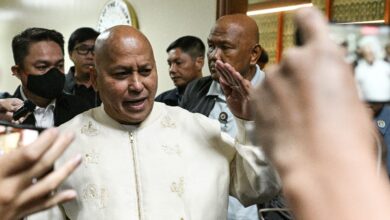
Under the emerging committee alignments, Senator Rodante Marcoleta is being floated as a possible chair of the Blue Ribbon Committee, while Senator Ronald “Bato” Dela Rosa is expected to take a stronger role in public safety oversight. This would mean a stricter look at agencies such as the Philippine National Police (PNP), National Bureau of Investigation (NBI), and the Department of the Interior and Local Government (DILG), especially on accountability, enforcement, and internal operations.
The key question moving forward is whether this new leadership will push for stronger accountability measures or maintain the status quo.
At its core, the issue is no longer just about who holds leadership positions. It is about how those positions influence the Senate’s role as a check on power at a critical moment in the country’s political cycle.



One Comment