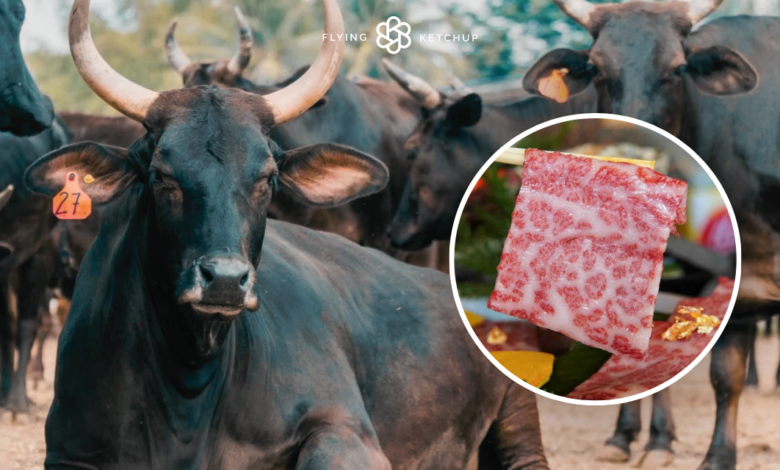
Wagyu Beef in the Philippines: South Cotabato Farmer Sells Crossbred Beef for Up to ₱3,000 per Kilo
Wagyu beef is famous for its rich marbling, tenderness, and premium price, but much of the world’s supply comes from countries such as Japan and Australia. In South Cotabato, Filipino cattle farmer Arnel Corpuz is working to make locally produced premium beef more accessible through crossbreeding and specialized cattle management. His farm raises Wagyu–Brahman crossbred cattle designed to better tolerate the country’s tropical climate. This effort could help expand the potential of Wagyu beef in the Philippines, while supporting local agriculture and giving restaurants another option for quality beef.
Wagyu Beef in the Philippines: Meet the Filipino Farmer Raising Wagyu Crossbreeds
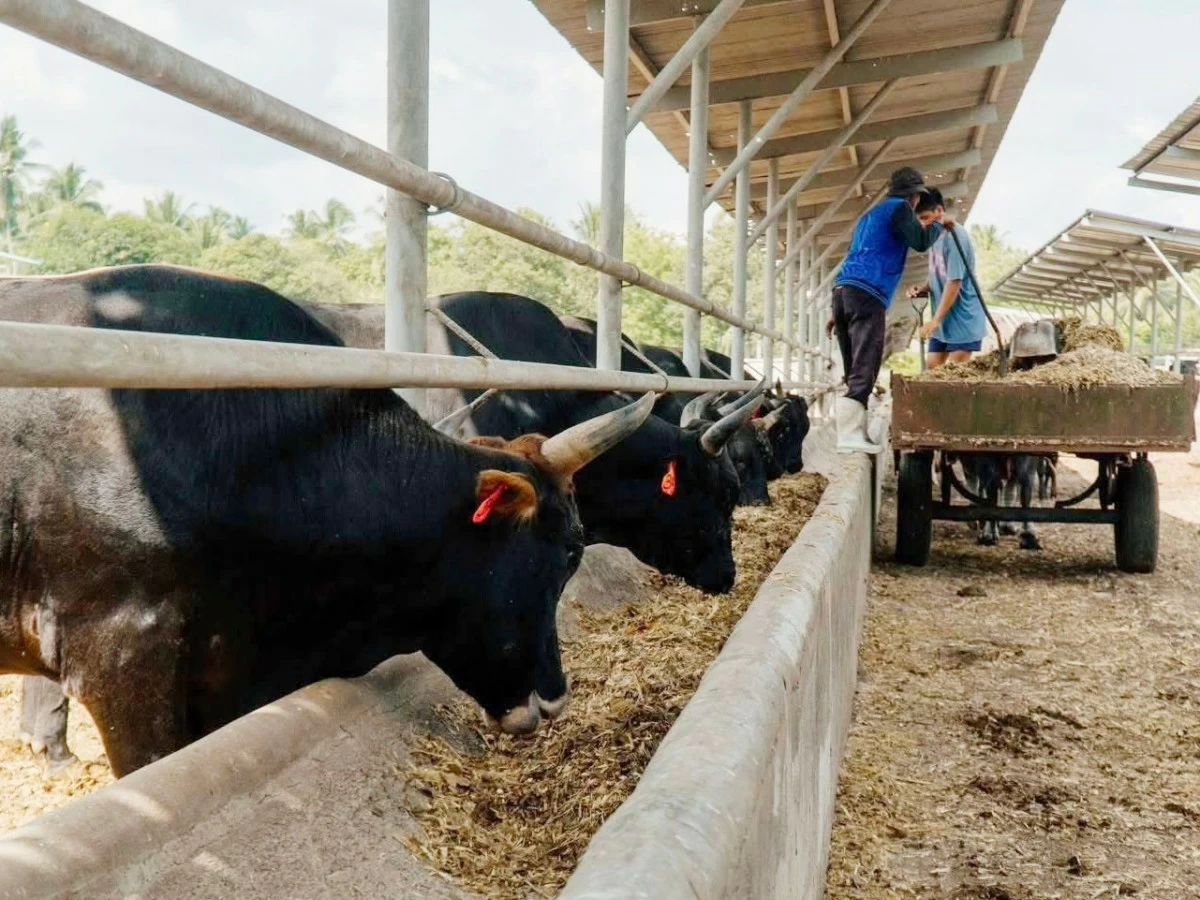
Arnel Corpuz operates Great Arch Farm in Polomolok, South Cotabato, where he raises cattle that combine Wagyu and Brahman genetics. Wagyu is known for its intramuscular fat, or marbling, while Brahman cattle are valued for their ability to tolerate hot conditions. By combining these characteristics, Corpuz aims to raise cattle that can survive in the Philippine climate while producing more tender, well-marbled beef. His work reflects an effort to adapt premium cattle production to local agricultural conditions rather than simply importing finished beef.
Why Crossbreed Wagyu With Brahman Cattle?
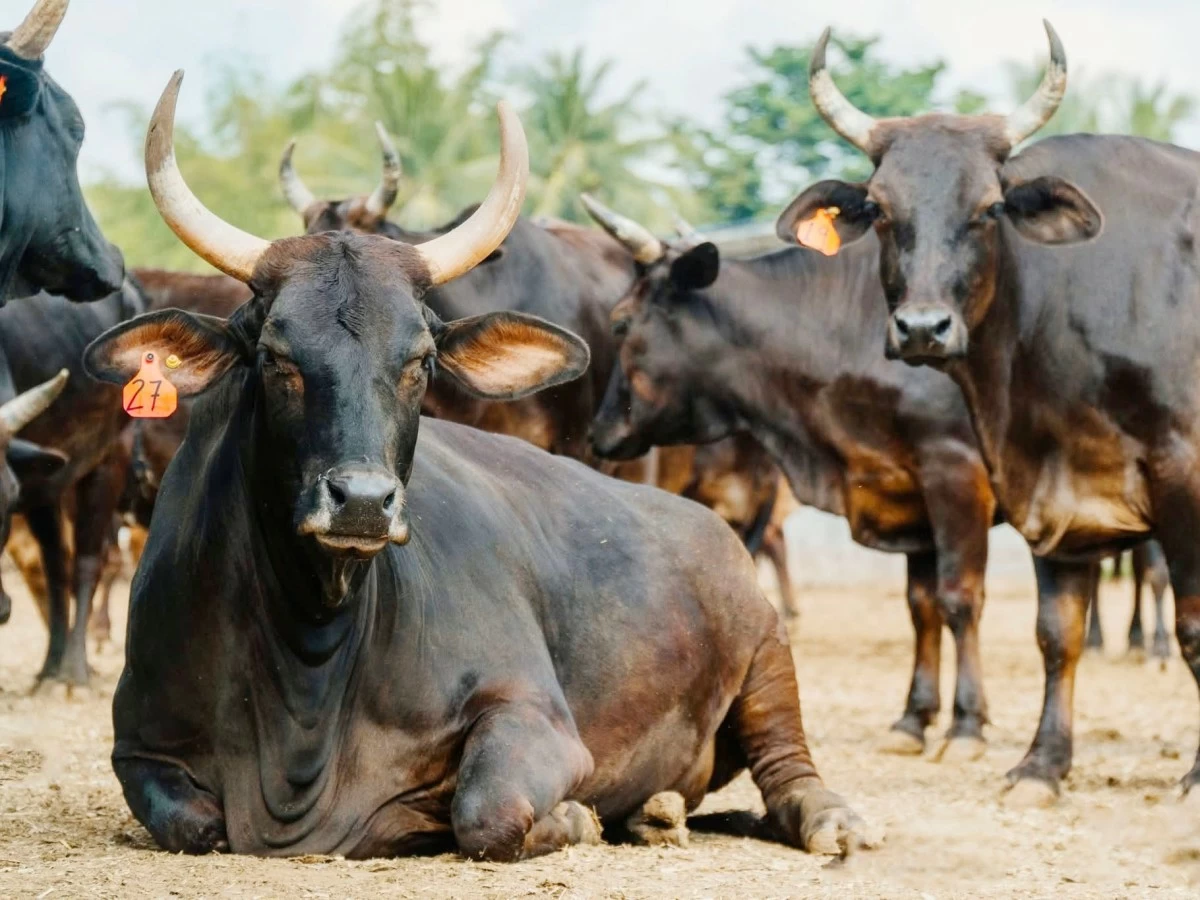
Raising purebred Wagyu cattle in a tropical country presents challenges, including heat stress and the need for appropriate management. Brahman cattle are better adapted to hot environments, making them a practical breed to cross with Wagyu for local conditions.
Corpuz explained that combining the two breeds can improve the chances of producing cattle that tolerate the heat while retaining some of Wagyu’s meat-quality characteristics. This approach is one way farmers are exploring how to expand Wagyu beef in the Philippines without relying entirely on imported beef.
ALSO READ: Del Monte at 100: A Company Built on Farmer Care
How Much Does Locally Produced Wagyu Crossbred Beef Cost?
The farm has reported selling its crossbred beef for approximately ₱1,500 to ₱3,500 per kilogram in the coverage published by PEP in November 2025. A June 2026 report from Radyo Pilipinas cited a local selling range of around ₱1,500 to ₱3,000 per kilogram, showing that reported prices can vary.
Live cattle were previously reported to sell for approximately ₱150,000 to ₱250,000 per head, depending on the animal and transaction. These are reported prices, not guaranteed current quotations, so buyers should contact the farm directly to confirm availability and cost.
Feeding and Proper Care Help Develop Better Beef
Genetics alone do not determine the quality of beef, because feeding practices and animal management also play important roles. Corpuz has explained that his cattle have extended access to feed and a continuous supply of clean drinking water to support growth and marbling development.
He has also drawn on his previous experience managing a feedlot in Queensland, Australia, where he learned about cattle production techniques. The farm’s approach highlights how careful breeding, nutrition, and management can influence the quality of locally produced beef.
Can Local Wagyu Crossbreeds Compete With Imported Beef?
Corpuz has said that his crossbred beef can compete with American Angus in quality, although he acknowledges that it does not yet match the quality of Wagyu produced in Japan and Australia. This distinction matters because Wagyu–Brahman crossbred beef is not the same as purebred Japanese Wagyu, which is associated with specific breeding systems and grading standards.
Production also remains relatively limited, making consistent supply a challenge for restaurants and other buyers. Still, the farm’s work points to potential opportunities for Wagyu beef in the Philippines, especially if more producers can develop reliable breeding, feeding, and distribution systems.
Producing higher-quality beef locally
The work happening at Great Arch Farm shows how Filipino farmers are experimenting with cattle genetics and management to produce higher-quality beef locally. By crossing Wagyu with heat-tolerant Brahman cattle, Arnel Corpuz is pursuing a practical approach to raising animals suited to Philippine conditions.
The beef is not equivalent to purebred Japanese Wagyu, but it represents another possibility for the country’s livestock industry. With continued improvements in production and supply, Wagyu beef in the Philippines could create new opportunities for local farmers, food businesses, and consumers seeking premium locally produced meat.