Two Shootings, Two Months: Philippine Schools Are Still Not Safe
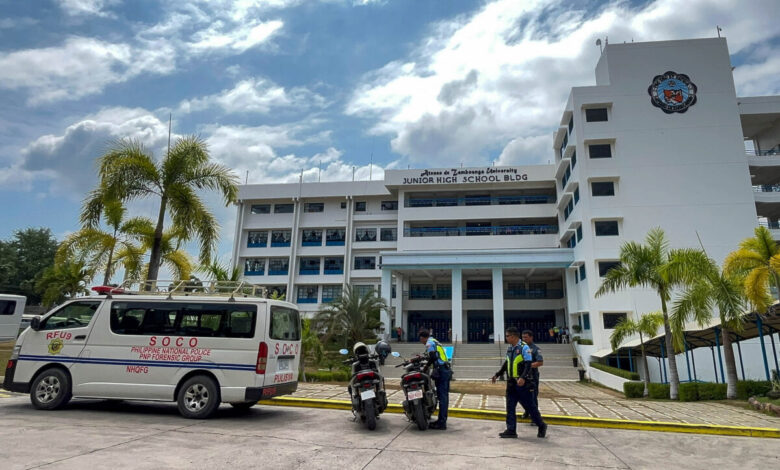
In less than 60 days, the Philippines has recorded two school shootings that would have been almost unthinkable a decade ago. On June 22, a student opened fire at San Jose National High School in Tacloban, killing three. On August 18, a Grade 9 student walked into a classroom at Ateneo de Zamboanga University’s junior high school building, shot a schoolmate dead, and then took his own life, livestreaming the entire attack. Two more students were hurt.
Both were minors. Both had access to real firearms. And both incidents have forced the same uncomfortable question back into the national conversation: how did this happen twice, and what is actually going to change?
A Pattern, Not an Anomaly
For years, Philippine officials could point to the country’s comparatively strict gun laws, background checks, and psychological evaluation requirements as reasons why mass shootings, especially inside schools, remained rare. That reassurance is harder to make now. In the Zamboanga case, investigators found two firearms at the scene, and the shooter’s father, a Bureau of Customs security officer, was relieved of his post amid questions over how his son gained access to a service weapon. The Tacloban and Zamboanga shootings, separated by less than two months, suggest a pattern rather than an isolated tragedy: young people finding their way to real weapons through household access, not black-market channels.
The Livestream Problem
What set Zamboanga apart from Tacloban was the digital dimension. The attack was broadcast in real time, and clips circulated on social media before authorities could contain them. Facebook suspended the shooter’s account the same day. Telecom providers PLDT, Smart, and Globe later blocked websites hosting footage of the attack. The Department of the Interior and Local Government said the student “acted alone,” with no evidence of an online network or conspiracy, though investigators also looked into reports the shooter was fixated on online gaming.
This has opened a second front in the policy debate, separate from gun control: what obligations do platforms and telecom companies have to detect and remove violent content before it spreads, and can early warning systems flag at-risk students based on their online behavior before, not after, an attack.
Congress Has Bills, It Doesn’t Have a Law
The frustrating part, for many lawmakers, is that this is not uncharted territory. Even before Zamboanga, the Tacloban shooting had already prompted a House bill, the Bantay Paaralan Act, aimed at tightening physical security in public schools with limited budgets. In the Senate, multiple measures addressing school safety, threat assessment, and crisis counseling have been filed and refiled across sessions without reaching a floor vote. After Zamboanga, at least four separate bills were invoked again in statements from different lawmakers: proposals covering campus security standards, firearm storage and responsible ownership, children’s access to social media, and lowering the minimum age of criminal responsibility for serious offenses.
Senator Mark Villar was among those renewing calls for passage of the LIGTAS Act, which addresses threat detection, security protocols, and counseling support in schools, arguing that prevention has to happen before a crisis, not after one.
The larger issue is coordination. A recurring theme in post-Zamboanga statements from the Department of Education, DILG, and Senate committees was the absence of a single, integrated system linking school security, mental health referral, firearm regulation, and online monitoring. Each agency has its own mandate; none has full visibility into a student showing multiple warning signs across different domains.
READ: Bullying and Rising School Violence Calls for Stronger Government Action
What Happens Between Now and the Next Hearing
The Senate Committee on Women has continued hearings into the wave of school shootings, and the Department of Education has said it is deploying psychological first aid to the Ateneo de Zamboanga community, which suspended classes until August 28 and eased students back with wellness-focused activities before fully resuming instruction. These are the right immediate steps. But they are also the same steps taken after Tacloban, and the underlying gaps, gun access through family members, unmonitored online radicalization or fixation, and inconsistent security standards between well-resourced private schools and under-resourced public ones, remain unaddressed at the legislative level.
The test now is less about whether officials will express concern. That part is reliable. It is whether any of the pending bills will actually clear both chambers before a third incident forces the same statements to be issued again.