
Ramon Magsaysay: 7 Reasons Why Filipinos Call Him “Man of the Masses”
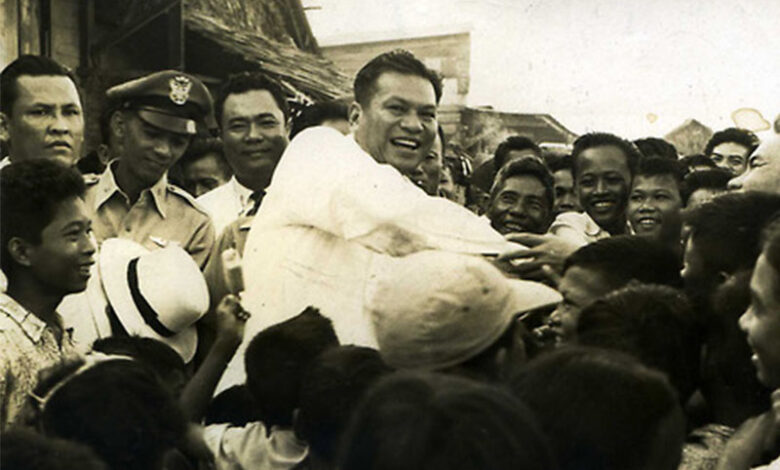
The legacy of Ramon Magsaysay continues to stand out in Philippine history as one of the most admired leadership examples. Often remembered as the “Man of the Masses,” Magsaysay is widely cited as one of the best Philippine presidents due to his strong integrity, people-centered governance, and deep connection with ordinary Filipinos. His presidency from 1953 to 1957 focused on rebuilding trust in government and bringing leadership closer to the people.
His leadership style became a benchmark for future Philippine presidents but only few continued what he started. Here are 7 reasons why he is the golden standard:
Ramon Magsaysay Combined Leadership with Integrity
One of the strongest reasons Ramon Magsaysay is admired is his personal integrity. He was known for living simply, rejecting corruption, and leading by example. His “simple lifestyle” made him relatable to ordinary Filipinos and reinforced public trust in government. This reputation helped strengthen the idea that honesty in public office was still possible in Philippine politics.
He Had A People-Centered Governance
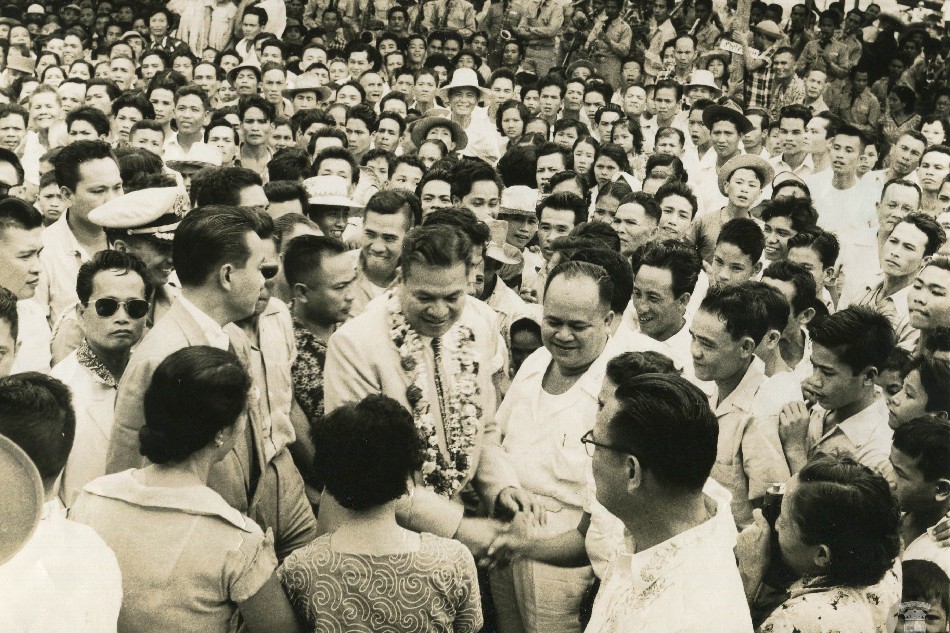
Magsaysay earned the title “Man of the Masses” because he actively listened to citizens. He traveled across rural areas, personally meeting farmers, fishermen, and workers. This hands-on approach defined his reputation for being a leader who truly served the people. His direct engagement with citizens made government feel more accessible and responsive during his term.
He Had A Strong Anti-Corruption Drive
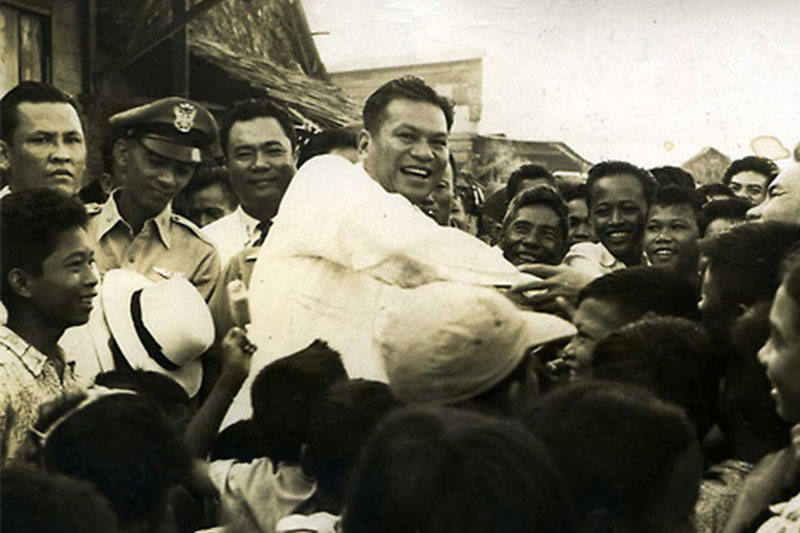
During his presidency, Magsaysay took a firm stance against corruption in government. He reorganized offices, removed abusive officials, and promoted transparency. His administration became known for restoring public trust in government institutions. These reforms helped set higher standards for accountability in public service.
He Had Land Reform Efforts
Magsaysay supported early agrarian reform programs aimed at improving the lives of farmers. Although not fully resolved during his term, his policies helped lay the groundwork for future land reform initiatives in the country.
His focus on rural development highlighted the importance of addressing inequality in agriculture-based communities.
He Addressed The Hukbalahap Insurgency
One of his major achievements was addressing the Hukbalahap insurgency. Instead of relying only on military force, Magsaysay combined security operations with social reforms, encouraging surrender and reintegration of rebels through amnesty and support programs. This balanced approach helped reduce violence while addressing the root causes of rebellion.
He Had Rural Development Focus
His administration prioritized rural development by improving roads, irrigation, and access to basic services in countryside areas. This helped reduce inequality between urban and rural communities, strengthening national development. These infrastructure improvements also boosted agricultural productivity in many provinces.
ALSO READ: Sara Duterte 2028 Presidential Bid Woke the Public
He Restored Public Trust in Government
Perhaps his most lasting impact was restoring faith in leadership. After years of political challenges in the post-war era, Magsaysay’s honesty, accessibility, and decisive governance renewed Filipinos’ trust in public service.
His presidency is often remembered as a turning point in rebuilding national morale.
A Man Like No Other
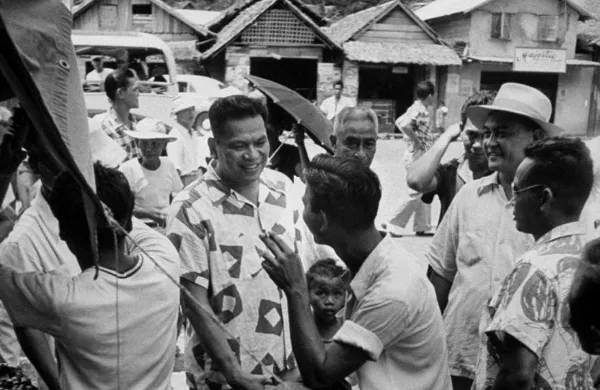
The legacy of Ramon Magsaysay remains a benchmark for good governance in the Philippines. Even decades after his presidency, his example remains a reminder that effective governance is built on trust, humility, and genuine service to the nation. His influence continues to shape how Filipinos evaluate leadership today.
