
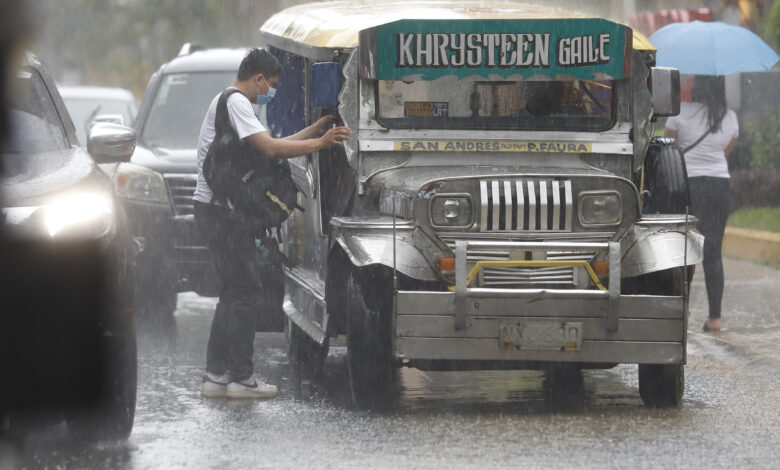
Philippine Cities Were Built for Cars—But What About the Walkways for People Walking?
For many Filipinos, walking to work, school, a train station, or a bus stop can become a daily obstacle course. A short commute can mean squeezing through narrow sidewalks, avoiding parked motorcycles, crossing flooded roads, or walking under the intense heat without proper protection. While some cities in Southeast Asia have invested in connected and weather-protected pedestrian networks, many Philippine cities still struggle to provide basic walking infrastructure. The lack of safe walkways in the Philippines is not simply a matter of convenience because it can affect safety, mobility, public transportation, and quality of life. So, why do neighboring cities seem to be doing better, and what can Philippine cities learn from them?
Why Are Walkways Important?
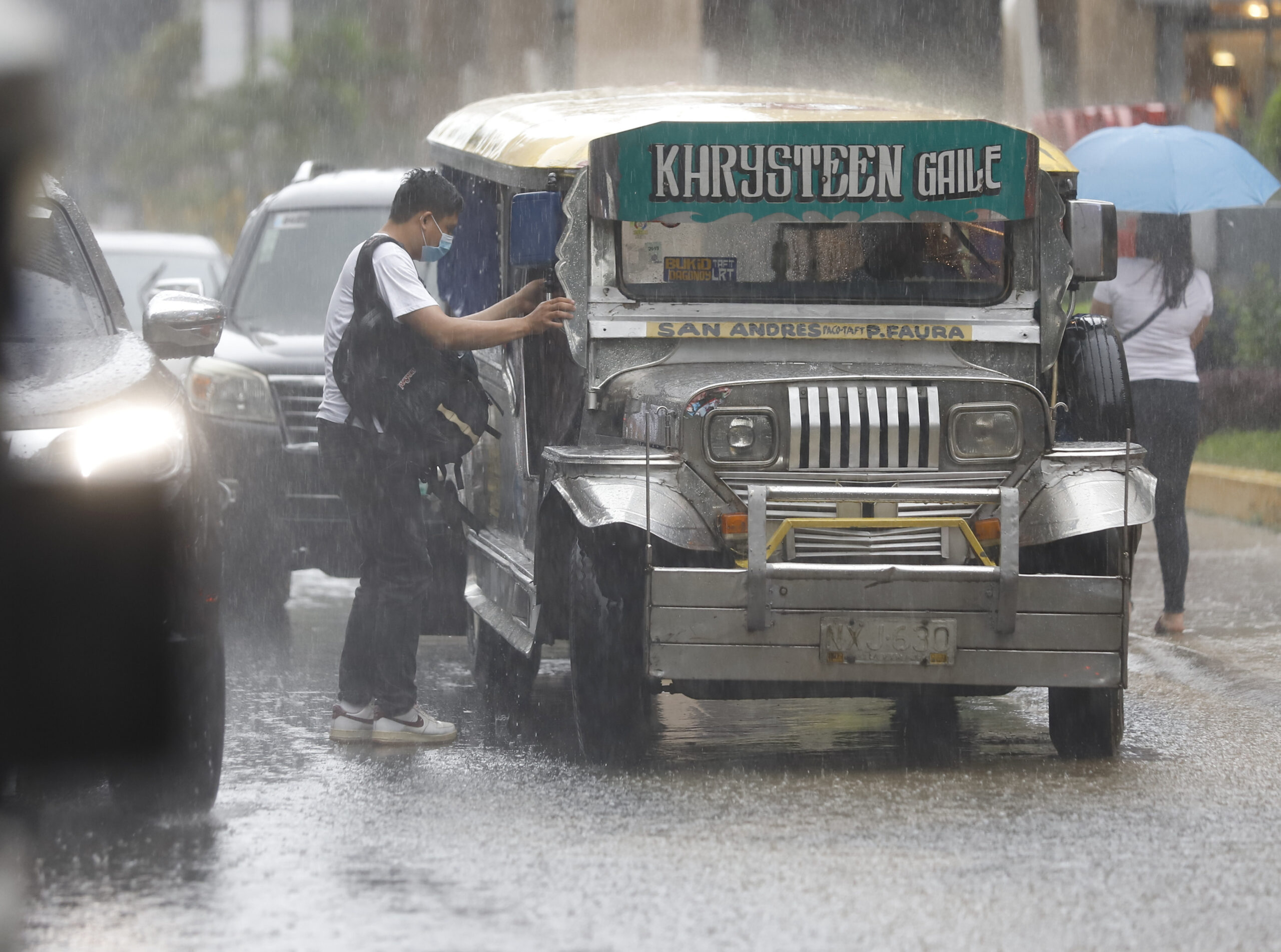
Walking is an essential part of almost every commute. Even people who use trains, buses, and other forms of public transportation usually need to walk to and from stations.
Yet many Filipino pedestrians face difficult conditions along the way. Some sidewalks are blocked by parked motorcycles, utility poles, or unfinished infrastructure. Others suddenly disappear, forcing pedestrians to walk beside moving vehicles.
Proper walkways can make these everyday journeys safer and more comfortable. They can also encourage people to walk more, improve access to public transportation, and help reduce dependence on private vehicles.
Why Do Filipino Commuters Struggle During Bad Weather?
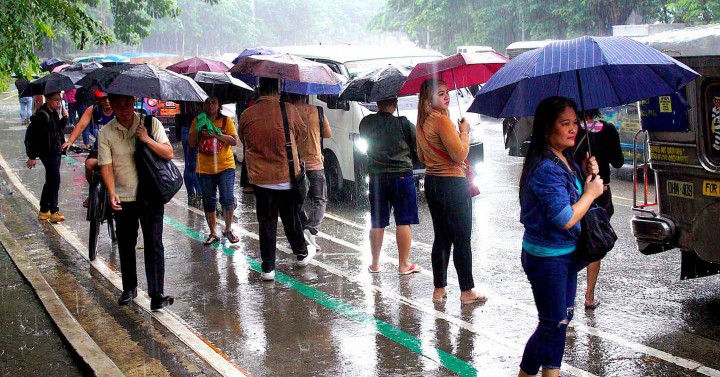
The Philippines experiences around 20 tropical cyclones each year, while extreme heat is also becoming a major concern for commuters.
Without sheltered pedestrian infrastructure, even a simple walk can become uncomfortable or dangerous. During heavy rain, pedestrians may have to cross flooded roads or wait for the rain to stop because there is no protected route.
During extremely hot days, walking under direct sunlight can be equally exhausting. This is why properly designed walkways should consider the country’s tropical climate instead of simply providing narrow concrete paths.
What Are Other Southeast Asian Countries Doing?
Several neighboring countries have treated pedestrian infrastructure as an important part of urban planning.
Singapore
Singapore has developed an extensive network of sheltered walkways. These covered linkways connect residential areas with MRT stations, bus stops, schools, clinics, and commercial centers.
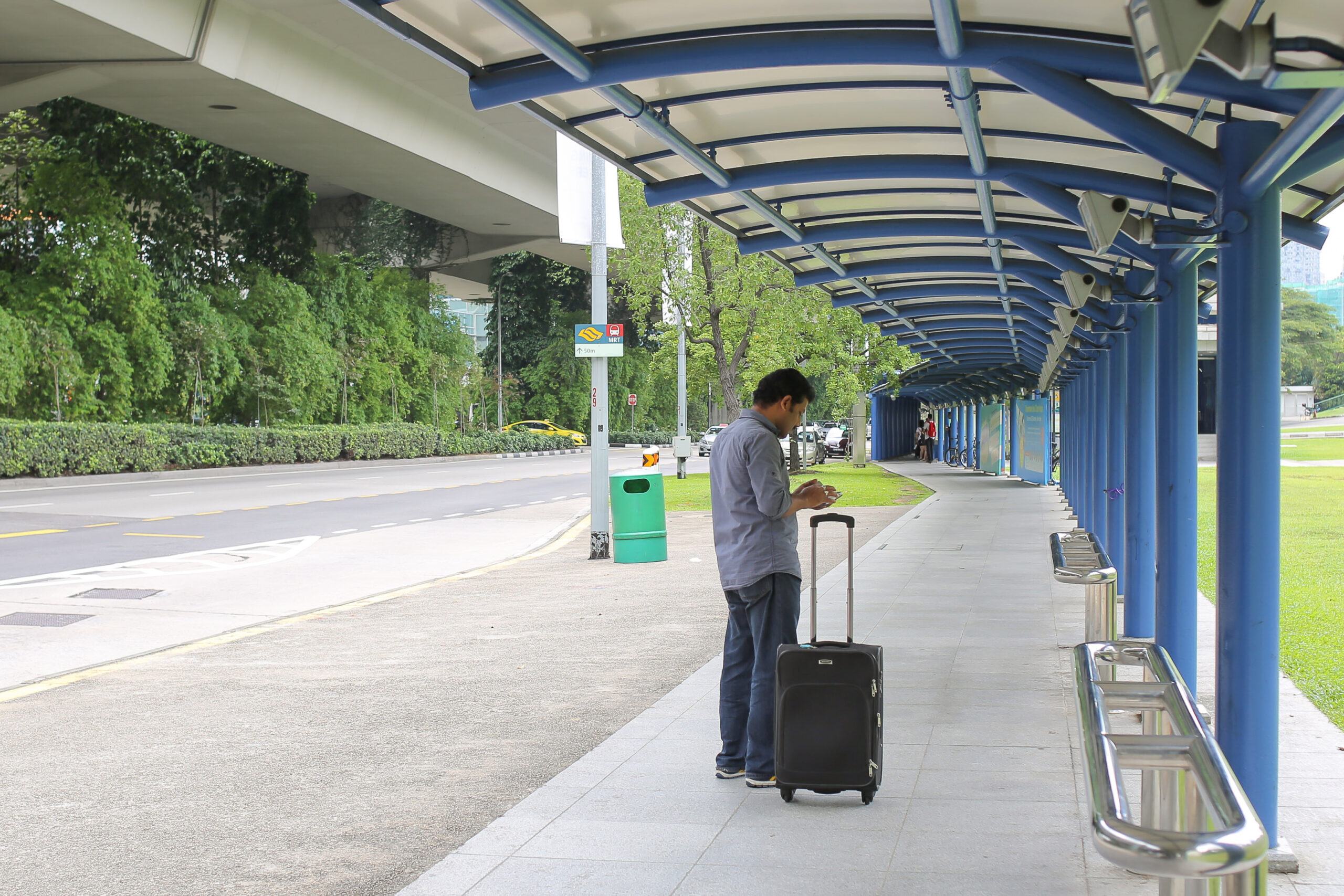
The goal is simple: allow people to move around the city on foot while remaining protected from heavy rain and intense heat.
Malaysia
Malaysia has a long history of covered pedestrian corridors through its kaki lima, or “five-foot way.”
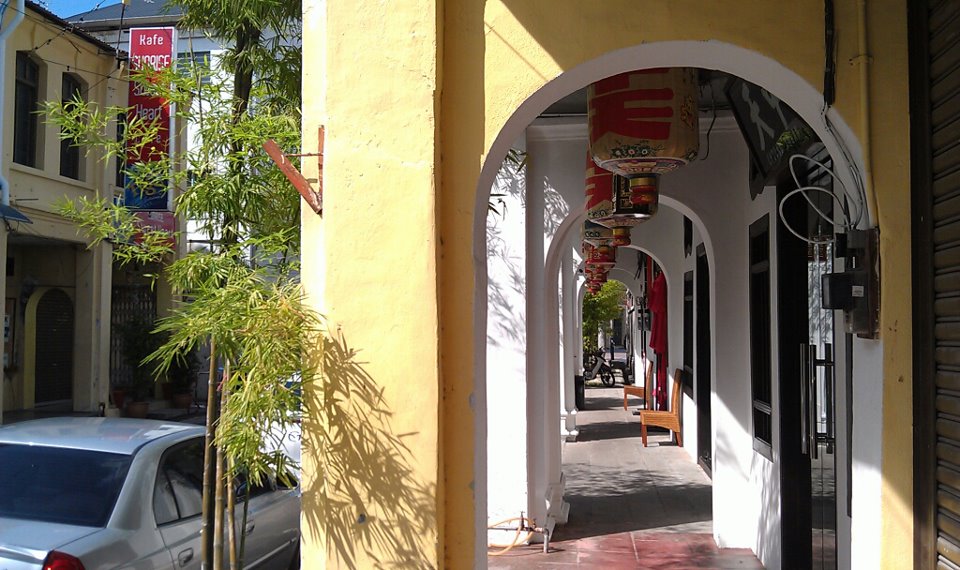
These sheltered walkways were traditionally incorporated into shophouses. They remain common in places such as Kuala Lumpur, Penang, and Malacca.
Indonesia
Indonesia has also been improving pedestrian infrastructure in central Jakarta. The city has introduced wider sidewalks, better crossings, covered pedestrian areas, and shaded public spaces.
These improvements are part of efforts to make cities more walkable and reduce dependence on cars.
Why Can’t Philippine Walkways Be Connected?
One major problem is that sidewalks and covered pedestrian paths are often developed separately rather than as one connected network.
Some business districts have attractive and comfortable walkways, but these paths can end once they reach a property boundary.
This means pedestrians may suddenly be forced to leave a protected walkway and navigate an unsafe road or narrow sidewalk.
For walkways to truly work, cities need to think beyond individual buildings and developments. The entire pedestrian journey needs to be considered.
What Can the Philippines Learn From Its Neighbors?
The Philippines does not necessarily need to copy Singapore, Malaysia, or Indonesia completely. Instead, it can adapt ideas that fit local conditions.
Cities could prioritize continuous pedestrian routes connecting residential areas to schools, public transportation stations, government offices, hospitals, and commercial districts.
Covered sections could also be placed along routes where people regularly walk. Wider sidewalks, safer pedestrian crossings, shade, proper drainage, and accessibility features can make these networks more useful.
Most importantly, pedestrian infrastructure should not stop simply because one property ends. A connected system is much more useful than isolated sections of beautiful sidewalks.
The Role of the Philippine Government
The government has a major role to play in solving the country’s pedestrian infrastructure problems.
The Department of Transportation (DOTr) has encouraged active transport, while the Department of Public Works and Highways (DPWH) has expanded pedestrian-related projects. However, a truly connected and weather-protected walking network remains absent from many Philippine cities.
Local governments can also play a critical role by creating pedestrian master plans and ensuring that sidewalks remain accessible to pedestrians.
National agencies and local governments could coordinate instead of developing isolated projects. Developers could also be encouraged to connect private walkways with public pedestrian networks.
This approach could turn individual sidewalks into a continuous system that allows people to travel safely from one destination to another.
When Should the Philippines Start?
The answer is simple: as soon as possible.
Every year that cities delay pedestrian improvements means more commuters exposed to rain, heat, traffic, and unsafe roads.
The issue is also becoming more important as Philippine cities grow and public transportation systems expand.
New train stations and transportation hubs will only be as accessible as the pedestrian infrastructure connecting people to them. Building better walkways should therefore happen alongside transportation and urban development projects.
But Isn’t Building Covered Walkways Expensive?
Building a nationwide network of covered walkways would require significant investment. Cities would also have to deal with existing roads, utilities, property boundaries, drainage systems, and other infrastructure challenges.
However, pedestrian infrastructure should be viewed as a long-term public investment rather than simply an expense.
Safer and more convenient walking routes can encourage active transportation, improve access to public transit, reduce traffic pressure, and potentially increase foot traffic for businesses.
The bigger question may be how much cities lose when pedestrians continue to lack safe and accessible routes.
What Would an Ideal Philippine Walkway Look Like?
A good pedestrian network does not need to be extravagant.
It should be continuous, safe, accessible, shaded or covered where appropriate, well-drained, and connected to public transportation.
It should also be designed for everyone, including children, senior citizens, persons with disabilities, and people carrying groceries or commuting to work.
Most importantly, sidewalks should remain for pedestrians.
A city can have modern trains, buses, and roads, but if commuters cannot safely walk between them, the transportation system remains incomplete.
For Whom They Are Built
The problem with walkways in the Philippines is bigger than the absence of sidewalks. It is about how cities are designed and who they are designed for.
Singapore, Malaysia, and Indonesia have shown that sheltered and connected pedestrian infrastructure can become a basic part of urban life. The Philippines already has government agencies working on active transportation and pedestrian projects, but greater coordination and long-term planning are needed.
Filipinos should not have to run through the rain, dodge vehicles, or walk beside traffic simply to reach a train station or bus stop. A truly people-centered city should make walking safe, accessible, and comfortable. If Philippine cities want to become more livable and less dependent on cars, investing in better walkways could be one of the simplest places to start.