Nature’s Floodwall: Why We Can’t Afford to Lose Our Mangroves
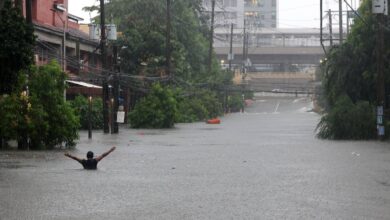
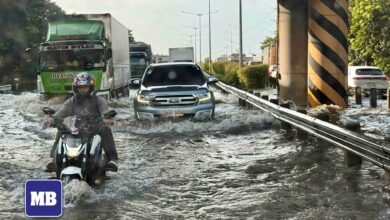
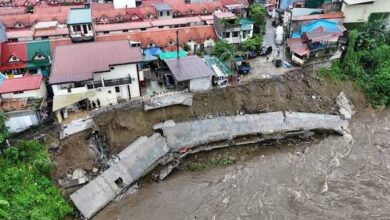
The Philippines ranks among the world’s most typhoon-exposed nations. With roughly 60 percent of its population living along the coast, the threat of storm surges and coastal flooding is not a seasonal inconvenience but a permanent condition. What stands between millions of Filipinos and the ocean, in many places, is a belt of mangroves.
What Mangroves Actually Do
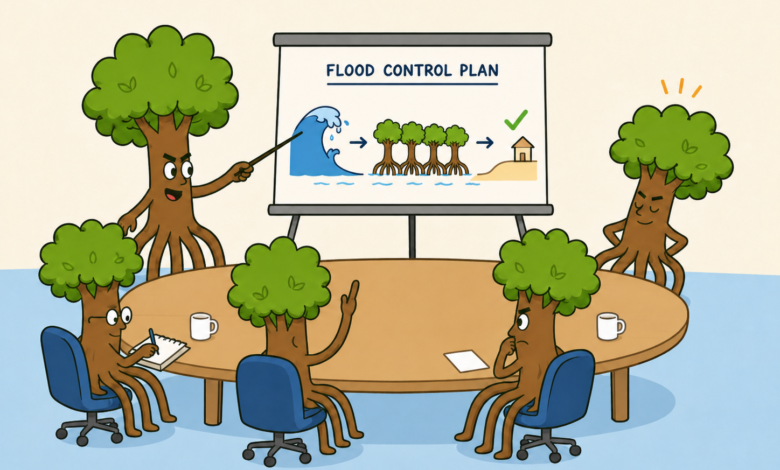
The protective value is not anecdotal. Mangroves prevent coastal erosion, slow storm surges, and dissipate floodwaters more effectively than most man-made structures, at a fraction of the cost.
A landmark World Bank study put a figure on it: Philippine mangroves reduce annual flood damages by approximately 25 percent, worth over one billion US dollars in avoided property damage every year.
When Typhoon Rai struck Siargao in 2021, over 8,000 hectares of intact forest absorbed the brunt of the waves, a factor experts credited in the area’s comparatively low fatality rate.
A Disappearing Shield
Despite documented protection, the Philippines has lost more than 30 percent of its mangrove forests over the past century. Data from the DENR’s Forest Management Bureau recorded only 311,400 hectares remaining as of 2020, down from an estimated 450,000 hectares historically.
Restoring them to their 1950s extent would protect an additional 267,000 people and prevent roughly $453 million in annual damage.
Legislation could help close that gap. The House unanimously passed a coastal greenbelt bill in 2023 that would require municipalities nationwide to establish 100-meter coastal buffer zones. The Senate has yet to pass the measure.
RELATED: Flood Control Projects: Timeline of Anomalies
Metro Manila’s Last Coastal Frontier
The stakes are sharpest in Metro Manila. The Las Piñas-Paranaque Wetland Park (formerly LPPCHEA) is the capital region’s only remaining functional mangrove ecosystem, 181 hectares born improbably from construction debris deposited during the building of the Manila-Cavite Coastal Road in 1985.
Today, the park shelters 23 mangrove species and over 163 bird species, while its waters support thousands of fisherfolk who depend on it for their daily catch.
In a country where typhoons are not exceptional events but annual realities, the decision to protect or destroy a mangrove forest is not an environmental abstraction. It is a calculation about how many people will flood next season, and every season after.