
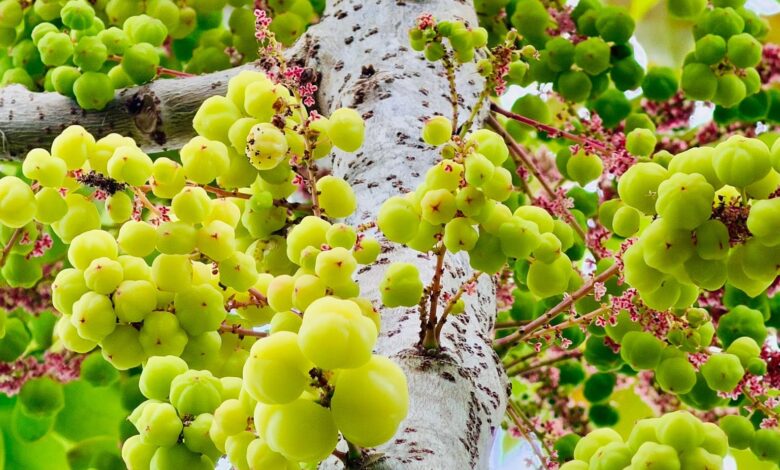
Karamay: The Sour Snack That Brings Back Memories of Growing Up in the Philippines
Remember picking tiny green fruits from a backyard tree, dipping them in salt, and instantly making a face because of their intense sourness? Many Filipinos have childhood memories of this experience, even if they can no longer remember the fruit’s name. The karamay fruit is one of those familiar tastes that connects generations through simple snacks and local food traditions.
Known by different names across the Philippines, this little fruit has been enjoyed fresh, pickled, and added to traditional dishes. However, it is becoming less familiar to younger generations as it becomes harder to find in some neighborhoods and mainstream markets.
A Sour Fruit With Different Names Across the Philippines
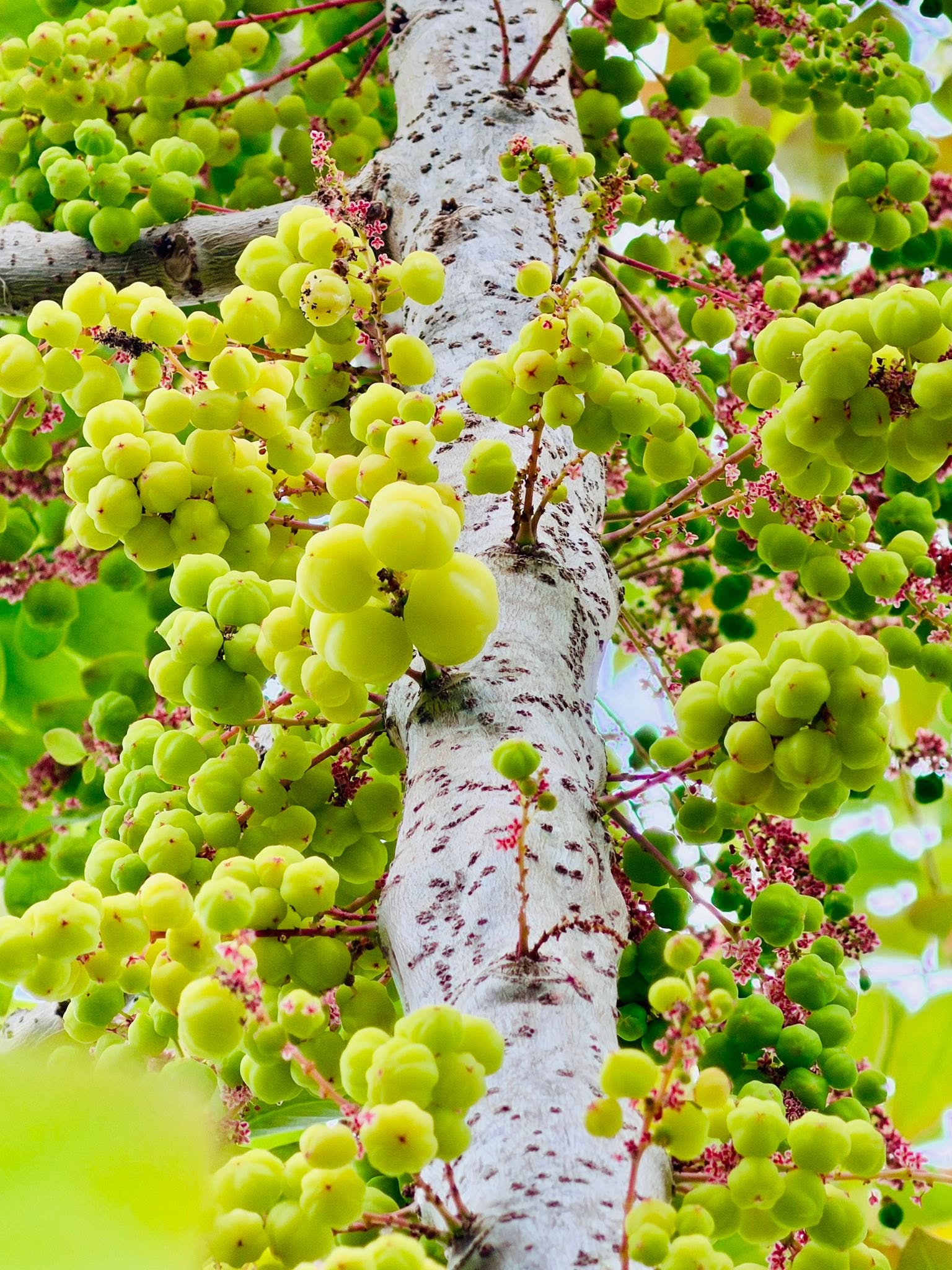
Scientifically known as Phyllanthus acidus, the karamay fruit is called star gooseberry in English. Depending on the region, Filipinos may know it as iba, iba insik, bangkiling, or karmay. Its small, rounded fruits have noticeable ridges and grow in clusters directly along the branches. They are usually pale green when young and turn yellowish as they ripen.
Karamay: The Childhood Snack That Made Everyone Pucker
For many Filipinos, the simplest way to enjoy the fruit is to eat it fresh with a pinch of rock salt. Its crisp flesh has a sharp sourness that can make your mouth water after just one bite. Some people prefer dipping it in vinegar, salt, or chili, while others enjoy it with a little sugar. The karamay fruit may remind people of kamias because of its sour taste, but they are different fruits with distinct botanical classifications.
From Backyard Trees to Traditional Filipino Dishes
The fruit is not just a childhood snack because it also has a place in traditional Filipino cooking. In Ilocos, it is used to prepare inartem, a pickled dish that combines the fruit with vinegar and seasonings. Other households turn it into preserves, candies, and pickles, while some communities use it as a souring ingredient in local dishes. These different preparations show how the karamay fruit has become part of regional food traditions.
Why Younger Filipinos May Not Recognize It Anymore
The fruit was once a familiar sight in provincial backyards, particularly in parts of Northern Luzon. Today, it is less visible in many urban neighborhoods and mainstream fruit markets compared with commercially available fruits such as mangoes and bananas. Its seasonal availability, delicate nature, and limited commercial demand may help explain why younger Filipinos encounter it less often. However, there is no comprehensive national data proving how much its cultivation has declined.
ALSO READ: 10 amazing rare Philippine fruits you should know!
More Than Just a Sour Childhood Memory
The fruit contains vitamin C and naturally occurring antioxidant compounds, giving it nutritional value beyond its distinctive taste. But its cultural significance may be just as meaningful as its nutritional qualities. For many Filipinos, it brings back memories of climbing backyard trees, sharing freshly picked fruits, and enjoying them with salt after school. Remembering the karamay fruit also means preserving the small food traditions that make different Filipino communities unique.
It carries plenty of childhood memories
The karamay fruit may be small, but it carries plenty of childhood memories and regional food traditions. Whether you know it as iba, iba insik, bangkiling, or karmay, its unmistakable sourness is something many Filipinos remember. Perhaps it deserves a place in today’s kitchens and markets before another generation grows up without knowing its name.