
Inside the Senate Shift That Redrew the Impeachment Fight
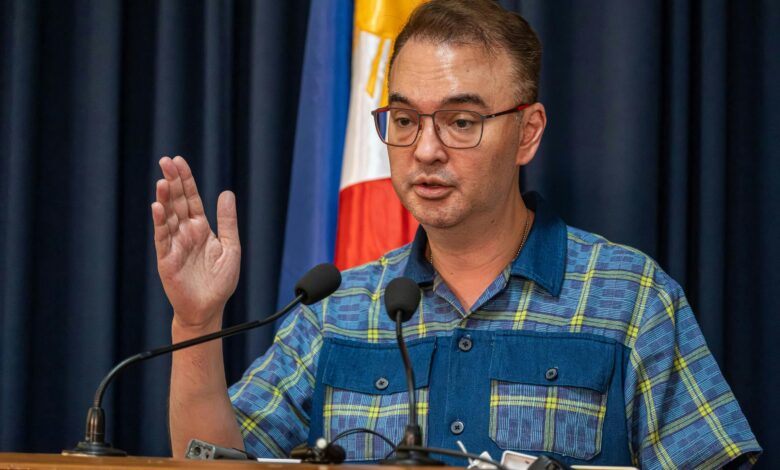
In the span of one week, the Philippine Senate underwent a leadership change. Senators voted to remove Senate President Tito Sotto and replace him with Alan Peter Cayetano. Allies of Sotto described the move as a political coup. Supporters of the shift argued that significant institutional matters had stalled under the previous majority, and that the change was a necessary corrective.
The Investigation That Was Never Allowed to Finish
Sen. Ping Lacson spent months working to formally report the Blue Ribbon Committee’s findings on the alleged flood control scandal. The committee required nine senator signatures to proceed. By May 5, the report was still short of the required number, with reports placing the signatures at six or seven. Lacson alleged that at least one senator had been urged not to sign.
The resistance was not confined to the majority. Sen. Rodante Marcoleta, who sat with the minority, was also among those who did not sign. His withholding is notable because the minority had generally cast itself as the accountability bloc in this Congress. Marcoleta has not offered a detailed public explanation for his decision. Leaving open whether the hesitation was principled, procedural, or the result of pressure.
Unable to proceed through formal channels, Lacson delivered the findings through a privileged speech, placing them into the public record and referring them to the Office of the Ombudsman and the Department of Justice. The partial report named Senators Jinggoy Estrada, Joel Villanueva, and Francis Escudero, along with former House Speaker Martin Romualdez and former congressman Zaldy Co, for possible charges including direct bribery and plunder.
The investigation remains incomplete. Romualdez was invited twice by the committee and did not appear on either occasion. Soldiers who testified that they personally delivered alleged kickback money have not faced the alleged recipients in a formal committee proceeding. That confrontation has not happened.
A Trial That Cannot Afford to Repeat 2025
Last year, the Senate received impeachment articles against Duterte in February, but did not convene as a court until June. A prolonged procedural debate under Escudero’s leadership preceded the Supreme Court’s ruling that the complaint was unconstitutional on grounds tied to the one-year ban on impeachment cases and due process concerns.
This year, the House moved faster and more carefully. The Committee on Justice voted 53 to 0 to find probable cause. On May 11, 257 House members voted to impeach Duterte, with 25 voting against and nine abstaining. The charges include plunder, graft, misuse of confidential funds, unexplained wealth, and the alleged threat to have President Marcos, First Lady Liza Araneta Marcos, and Romualdez killed.
RELATED — The Marcos Game Returns: Musical Chairs in Today’s Cabinet
Sotto had committed to proceeding forthwith. He was removed on the same day the House vote was cast. Cayetano, who has had political ties to the Duterte camp, now presides over the court. A presiding officer aligned with the accused is a structural concern in any judicial proceeding.
The new majority has said it will abide by the court’s rules. What critics identify as incompatible is not alignment per se, but delay and procedural maneuvering of the kind that helped end the 2025 case.
Why the Coup Narrative Falls Short
Bottom line, the Senate majority shift was messy. But by then, the old majority had made its own position difficult to defend. It had failed to let a major investigation reach its conclusion and had already shown how procedural delay could weaken an impeachment case.
The question is, was the shift a response to a Senate majority that had lost credibility on oversight and accountability?