Your Heatstroke Safety Guide for 2026
Summer in the Philippines is no joke, as the combination of intense heat and humidity can affect your health if you’re not careful. That’s why staying informed about heatstroke safety matters now more than ever.
We’re a Tropical Country
Because the Philippines sits near the equator, warm and humid weather is a normal part of life for much of the year. And during the peak summer months (March to May), temperatures tend to rise even further. In fact, the Philippine Atmospheric, Geophysical, and Astronomical Services Administration (PAGASA) has reported that warmer temperatures and higher heat indices are expected across the country during this period. Not only that, but weather patterns such as shifts between La Niña and El Niño can also influence how hot and dry conditions become in certain years.
With these conditions in place, extreme heat can increase the risk of heat-related illnesses, especially heatstroke.
The Breakdown
Now, what is heatstroke?
It’s when the body’s temperature rises too quickly and can no longer cool itself down. Normally, our bodies regulate heat when we sweat. But when temperatures are extremely high, especially in humid conditions, this natural cooling system may fail.
Heatstroke can develop after long exposure to high temperatures, intense outdoor activity, or dehydration.
Listed below are common symptoms:
- Extremely high body temperature
- Dizziness or headache
- Nausea or vomiting
- Rapid pulse
- Disorientation
- Hot or flushed skin
What to Do
Here are a few ways to practice heatstroke safety:
- Drink water regularly: hydrate! Don’t wait until you’re thirsty; drink water throughout the day, especially if you’re outdoors.
- Avoid peak heat hours: “matirik ang araw” between late morning and mid-afternoon. If possible, plan outdoor errands earlier in the morning or later in the day.
- Wear sunscreen: protect your skin from harmful UV rays when outdoors. While this doesn’t directly cool your body, preventing sunburn can help reduce additional heat stress.
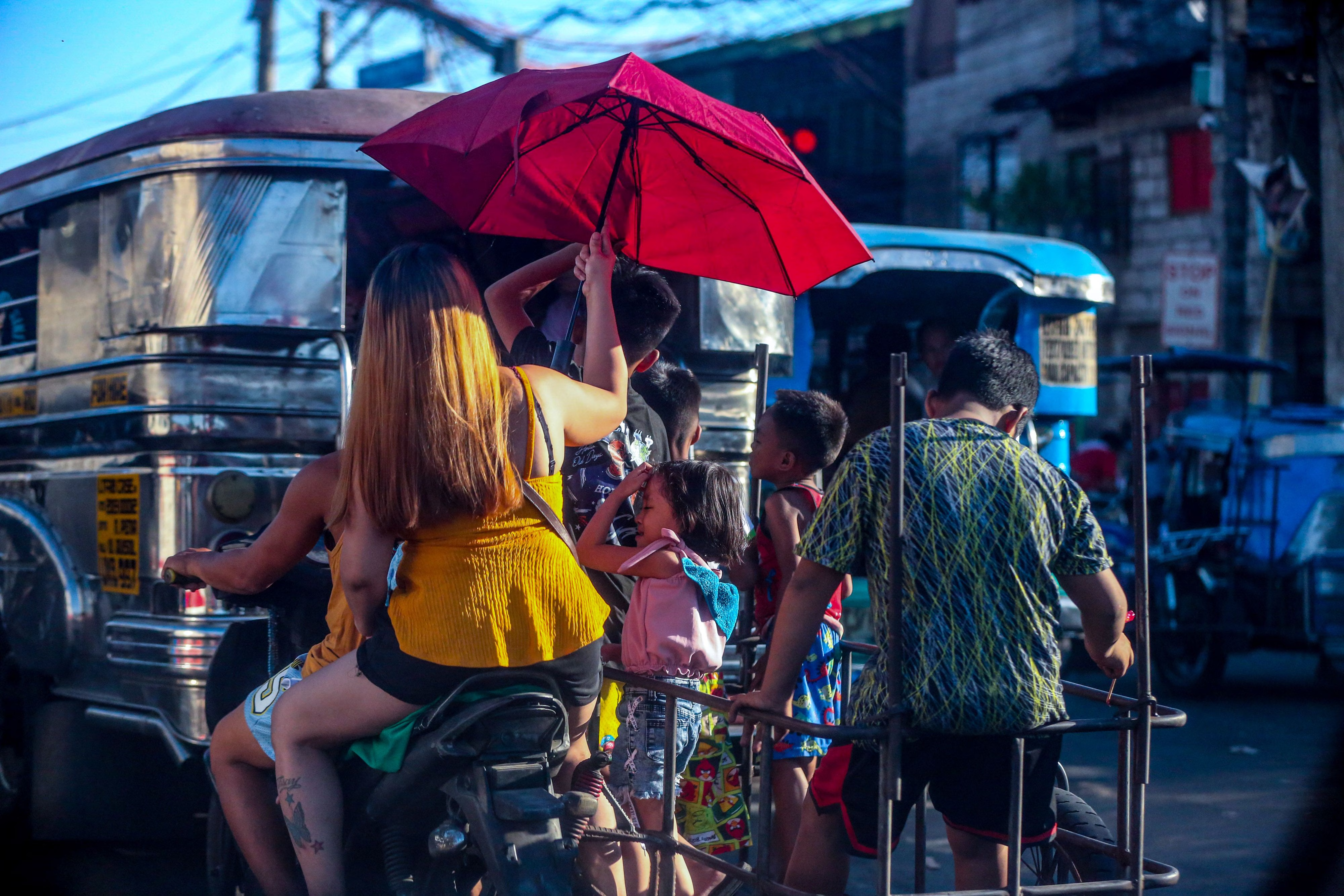
- Bring protective items: prepare things that help shield you from the sun. A hat, umbrella, sunglasses, or portable fan can make a big difference in staying cool.
- Take breaks in cooler areas: if you’re walking, commuting, or working outdoors, try to rest in shaded areas or air-conditioned spaces whenever possible.
READ: 7 Pinoy Samalamig to Beat the Heat
With the summer season upon us, staying informed is just as important as staying cool. By practicing heatstroke safety, we can all enjoy a sunny 2026 without putting our health at risk.