Government Efficiency: ASEAN Showed How Quickly Government Can Work When It Wants To
For a few days, Metro Manila looked different. Streets were cleared, public spaces received attention, facilities were improved, and government agencies worked together to prepare for visiting leaders during the 2026 ASEAN Summit. The transformation highlighted something Filipinos have long wanted to see: government efficiency that makes everyday life better.
The preparations also sparked an important conversation about why similar urgency is not always felt in ordinary communities. If government agencies can coordinate to prepare for an international event, why can’t the same determination be applied to flooded roads, public hospitals, damaged sidewalks, and basic services? Perhaps the biggest lesson of the ASEAN Summit is not just what the country can accomplish, but what Filipinos should expect from their government.
Government Efficiency at Work in ASEAN 2026
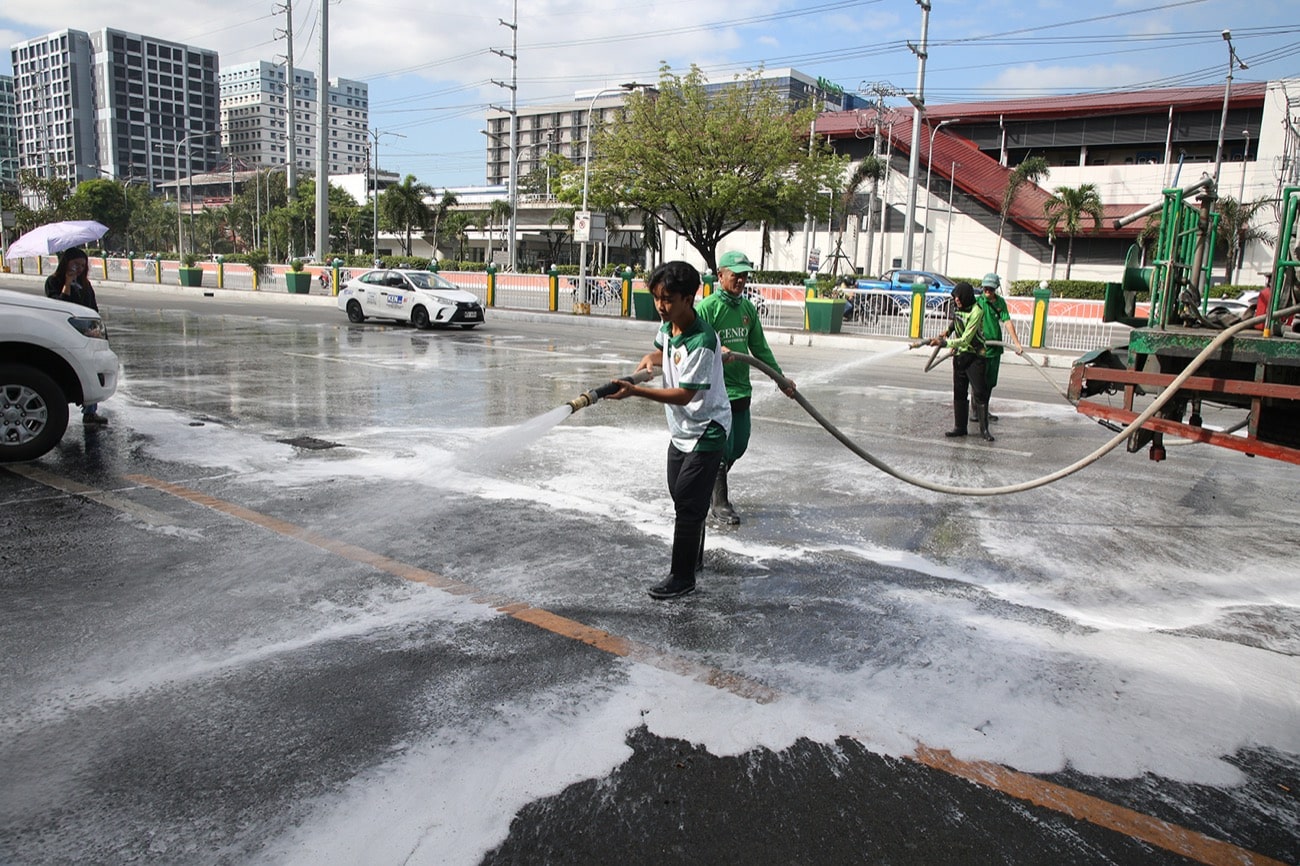
The Philippines hosted the 48th and 49th ASEAN Summits in 2026, bringing regional leaders and representatives together for hundreds of meetings and discussions. Preparing for these events required different government agencies to coordinate transportation, security, infrastructure, and public facilities.
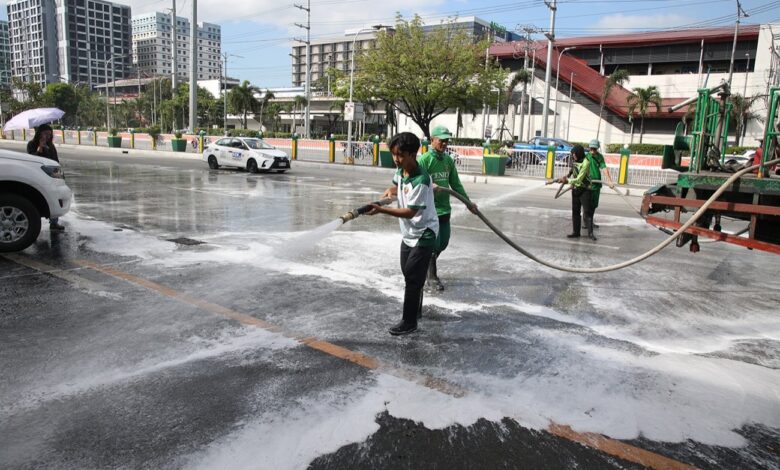
Streets and roads around important venues were cleared, while facilities underwent improvements to accommodate international delegates. These efforts showed how much government efficiency can improve when agencies share a clear goal and work toward a common deadline.
Why Can’t Everyday Problems Receive the Same Urgency?
The preparations also made people think about problems that remain part of daily life in many Filipino communities. Flooded streets, damaged sidewalks, overflowing garbage, and overcrowded public hospitals continue to affect ordinary families. These concerns do not require international visitors or diplomatic events to become important. Filipinos deserve government efficiency that responds to their needs even when there are no foreign dignitaries arriving.
The ₱22.9-Billion ASEAN Allocation Raises Questions
The government allocated ₱22.9 billion for the Philippines’ 2026 ASEAN chairmanship and related summits. Malacañang clarified that the amount covers the entire year’s activities, including the meetings held in Cebu and Manila, and does not mean the full allocation has already been spent.
The budget also covers hundreds of meetings, venue improvements, airport preparations, security, and other logistical requirements. The Palace has said that the actual expenditures will be reported and subjected to an audit, making transparency essential in showing how the public funds were used.
ALSO READ: US-Philippines Trade Deal Raises Questions About What Marcos Actually Agreed To
Street Vendors and Ordinary Workers Should Not Be Overlooked
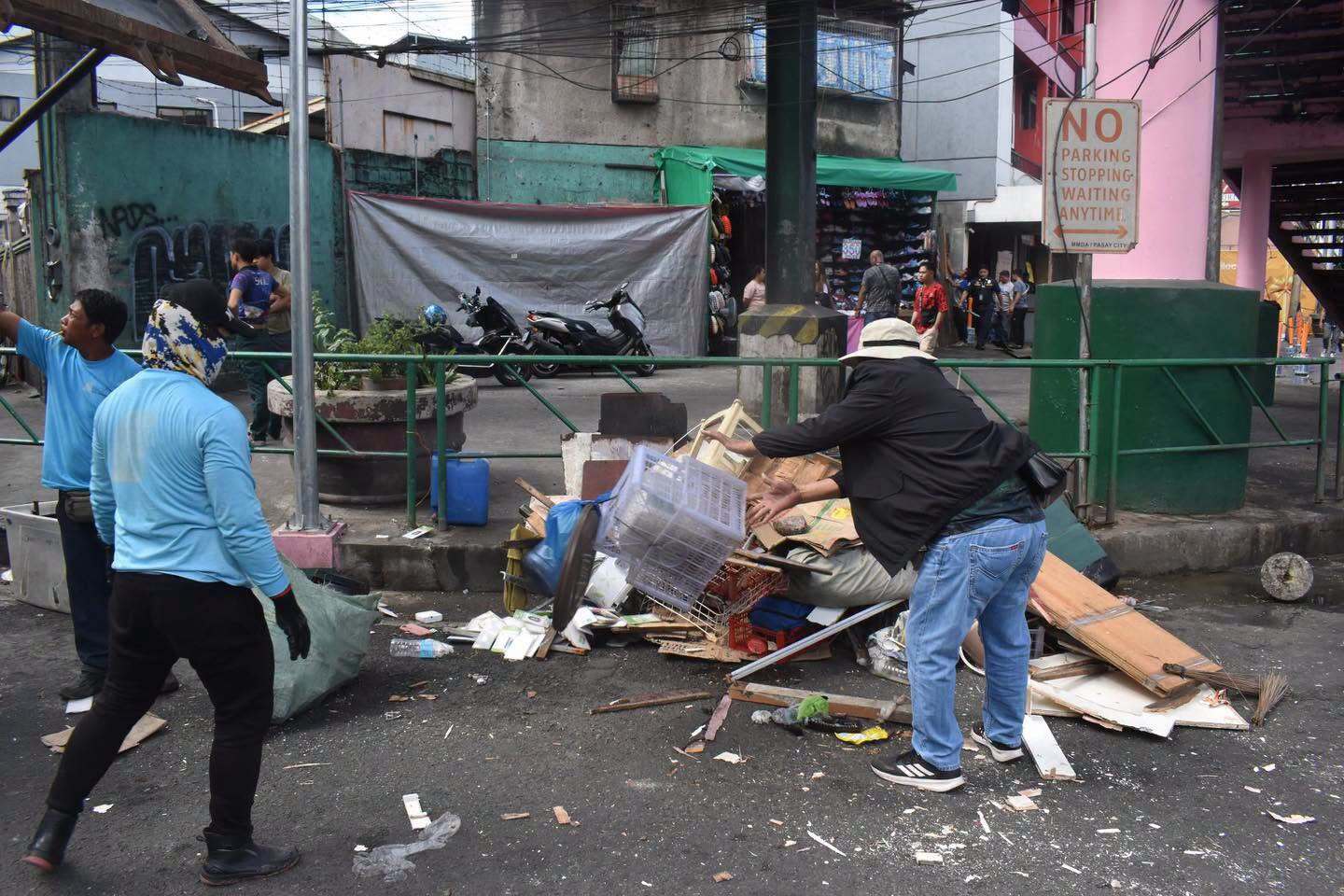
While the preparations improved the appearance of key areas, clearing operations also affected some street vendors and small businesses. Some vendors were temporarily asked to suspend operations or move away from areas near summit venues, raising concerns about lost income for families who depend on daily sales.
The government said assistance was provided to affected vendors, but the experience highlights the importance of considering ordinary workers whenever major public projects are carried out. A successful international event should not come at the expense of the people who depend on those streets and public spaces for their livelihood.
The Real Test Begins After the Foreign Leaders Leave
The ASEAN Summit may be over, but the improvements made for the event should not disappear with the motorcades and visiting delegations. Cleaner streets, better facilities, improved roads, and stronger coordination between agencies can continue to benefit residents if they are properly maintained. The same urgency should also be applied to public hospitals, drainage systems, waste collection, and other services that directly affect communities.
Ultimately, government efficiency should be measured not only by how well the country hosts international visitors, but by how consistently it serves its own people.
These efforts should not be limited to special occasions
The 2026 ASEAN Summit gave the Philippines an opportunity to demonstrate its ability to organize, coordinate, and deliver improvements under pressure. But the experience also reminded Filipinos that these efforts should not be limited to special occasions. The country’s roads, hospitals, public spaces, and everyday services deserve the same attention given to international events.
After all, ordinary Filipinos should not have to wait for foreign leaders to arrive before their government works with urgency.