Who Knew Pineapple Leaves Could Become Sneakers?
A Filipino social enterprise is giving discarded pineapple leaves a second life, turning agricultural waste into sustainable sneakers that have earned international recognition.
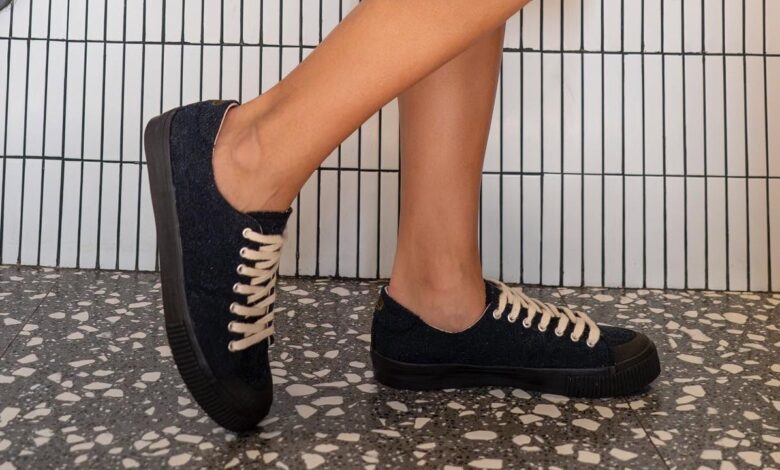
Lakat by Creative Definitions, a homegrown enterprise rooted in Negros, has won the Main Seoul Design Award at Seoul Design Week 2026 in South Korea. Its Lakat Sustainable Sneakers were recognized for combining material innovation, traditional craftsmanship, and livelihood opportunities for local communities.
The award places the Philippine enterprise among only 10 projects selected from more than 1,200 entries representing 91 countries. The recognition was presented on October 14, 2026, by Seoul Mayor Oh Se-hoon.
How Pineapple Waste Becomes Sneakers
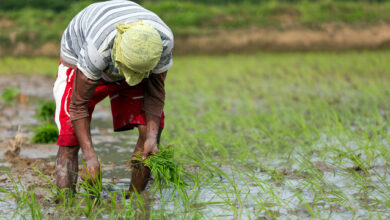
Pineapple leaves are often discarded after the fruit is harvested. Lakat saw an opportunity to turn this agricultural byproduct into a useful material for footwear production.
Through technology developed with the Department of Science and Technology’s Philippine Textile Research Institute (DOST-PTRI), fibers extracted from discarded pineapple leaves are processed into yarn. Local Negrense artisans then hand-weave these fibers into fabric used for the sneakers’ uppers.
This process uses pineapple varieties grown for their edible fruit, rather than the specific variety traditionally used to produce piña fibers for textiles such as the barong.
The sneakers also incorporate pineapple fibers into their insoles. Meanwhile, leftover fibers from yarn production are combined with natural rubber to create the outsoles, helping reduce material waste throughout manufacturing.
More Than Sustainable Materials
For Lakat, the project goes beyond finding an alternative material for conventional sneakers. Its production model brings together farmers, researchers, designers, weavers, and shoemakers, giving each group a role in creating the finished product.
The Philippine Textile Research Institute provides the textile technology that makes pineapple fiber processing possible, while local artisans contribute traditional weaving skills. The collaboration connects agricultural production with textile innovation and modern footwear manufacturing.
According to Michael Claparols of Creative Definitions, the project’s strength comes from the relationships built among these groups. He said the shared production process helps address interconnected challenges, including vulnerable rural livelihoods, agricultural waste, and textile waste.
The enterprise’s approach also gives discarded agricultural materials additional economic value. Rather than treating pineapple leaves as waste after harvest, Lakat incorporates them into a product that can enter the consumer market.
A Filipino Design Wins International Recognition
The Seoul Design Award adds to Lakat’s growing list of design achievements.
In 2024, the homegrown sneaker brand received the Good Design Award Philippines from the Department of Trade and Industry’s Design Center of the Philippines. It also earned the Green Award, recognizing its sustainable approach to product design and production.
Its latest recognition in South Korea puts the spotlight on another side of Filipino innovation: the ability to combine locally available resources, scientific research, and traditional craftsmanship to develop products with international appeal.
ALSO READ: Endangered Species: Philippine Weaving Communities
Lakat’s work also demonstrates how sustainability can extend beyond the materials used in a product. The people involved in sourcing, processing, weaving, and assembling those materials are part of the production model.
By turning pineapple leaves into everyday footwear, the Negrense enterprise is showing how agricultural resources can support new industries and livelihood opportunities while reducing waste.
Its award-winning pineapple waste sneakers offer a glimpse of what Filipino design can achieve when local knowledge, technology, and community participation work together.