The Secret Power of Mangroves: How These Unusual Trees Help Defend Philippine Communities
At first glance, they might look like ordinary trees growing in muddy coastal water. But some have roots that stick out of the ground like tiny snorkels, while others can survive in salty environments that would be difficult for most plants. These unusual features make mangroves some of nature’s most interesting coastal defenders.
Beyond their strange appearance, these trees perform important work beneath the surface. They help protect shorelines, provide shelter for young marine animals, and support communities that depend on healthy coastal ecosystems. In a country regularly exposed to typhoons and coastal flooding, their value goes far beyond their appearance.
Some Mangroves Have Roots That Look Like Snorkels
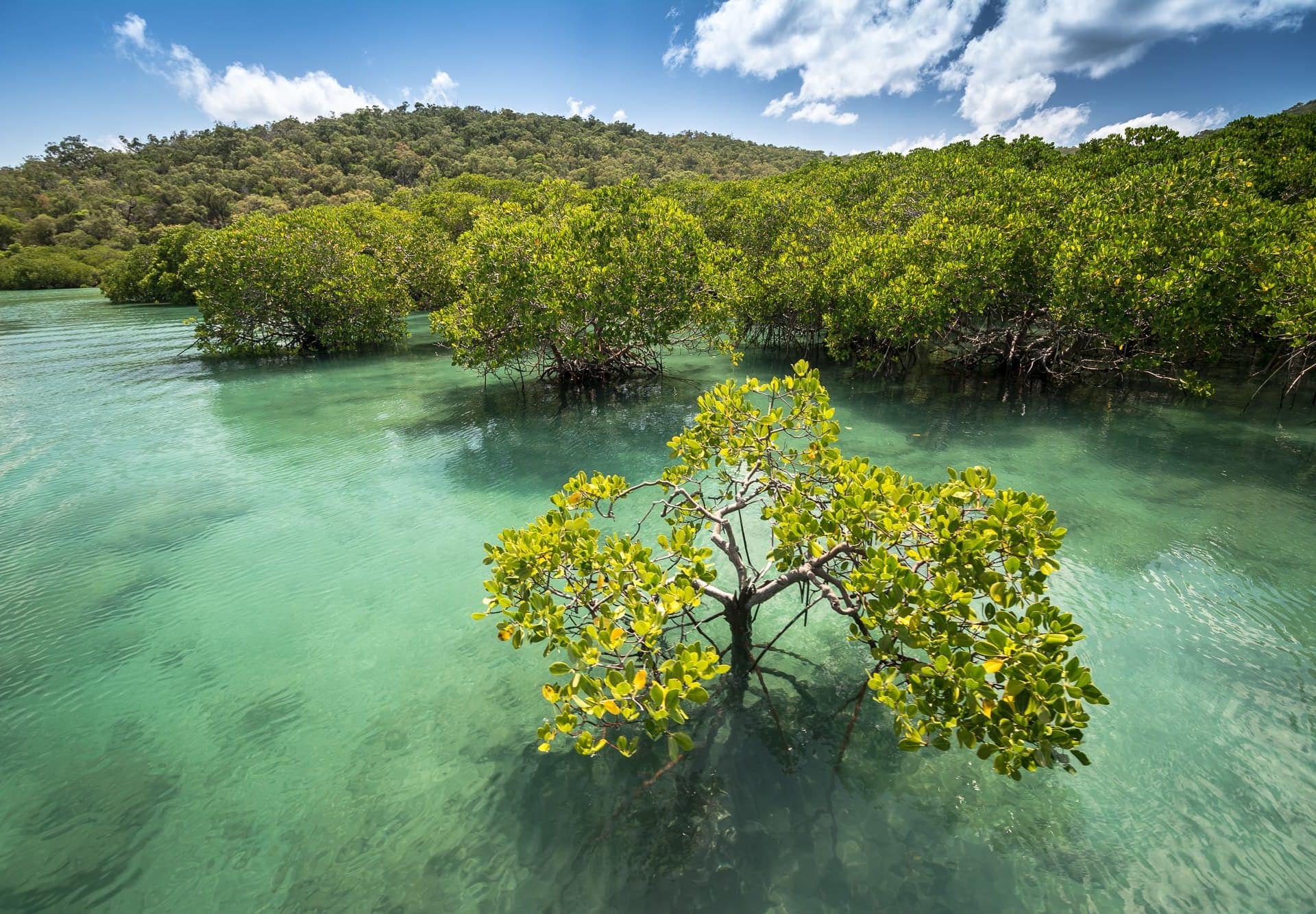
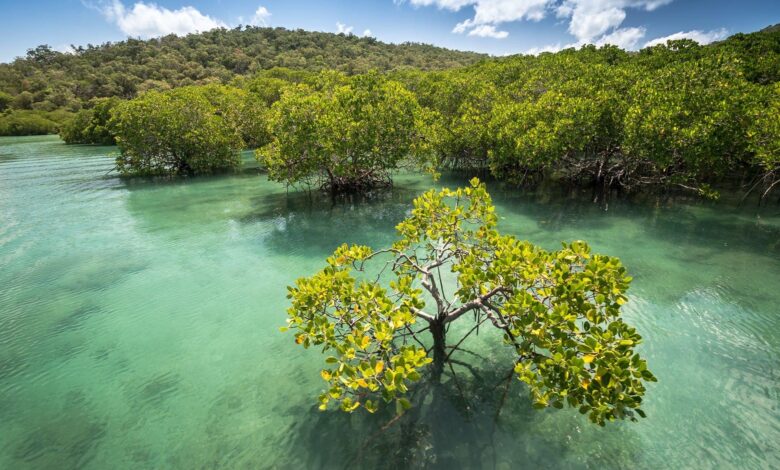
Imagine needing a snorkel just to survive in your own backyard. That is almost what happens with certain mangrove species, which grow specialized roots called pneumatophores that rise above the mud. These structures help the trees absorb oxygen from the air because waterlogged coastal soil often contains very little oxygen. Other species develop prop or stilt roots that spread outward from their trunks and branches, helping them stay anchored in shifting coastal ground.
They Have Their Own Ways of Dealing With Saltwater
Most plants struggle when exposed to too much salt, but these coastal trees have developed different ways to handle it. Some species filter out salt through their roots, while others release excess salt through special glands in their leaves. Certain types can also store salt in older leaves, bark, or wood. These adaptations allow them to grow in salty and brackish environments where many other plants cannot survive.
Their Roots Help Protect Coastlines
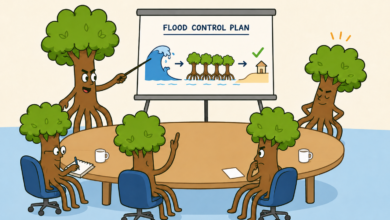
Those unusual roots are not just there to keep the trees standing. Dense root systems can slow moving water, trap sediments, and help stabilize shorelines, reducing the risk of coastal erosion. They can also weaken incoming waves and storm surges, helping lessen their impact on coastal areas. While they cannot prevent every flood or stop every powerful storm, healthy coastal forests can serve as an important natural layer of protection for nearby communities.
ALSO READ: Meet The Yolanda Survivor Who Planted 10,000 Mangroves To Protect His Village
They Are Natural Nurseries for Marine Life
The spaces between tangled roots create sheltered areas where young fish, crabs, shrimp, and other marine animals can find food and protection. Think of them as natural daycare centers where smaller marine creatures can grow before moving into more open waters. These habitats also support food webs and fisheries that many coastal families depend on. When these ecosystems decline, the effects can reach beyond the shoreline and affect the livelihoods of people who rely on the sea.
Restoring Mangrove Forests Also Means Protecting Communities
Protecting existing coastal forests is important, but restoring damaged areas can also help communities prepare for environmental challenges. Successful restoration takes more than planting seedlings; it requires choosing suitable sites, nurturing young trees, monitoring their survival, and involving people who understand the local environment. This is why community participation and long-term care matter just as much as the number of trees planted.
One example is One Meralco Foundation’s One For Trees program, which supports restoration efforts in different parts of the country. In the Batan Estuary in Aklan, the program supports the restoration of 50,000 trees in abandoned fishponds, working with fisherfolk, three people’s organizations, and Aklan State University on field learning, aqua-silviculture, and shoreline protection. In Del Carmen, Siargao, the Foundation also plants and nurtures 125,000 native trees as part of its conservation efforts.
These projects show how environmental restoration can connect ecological protection with local knowledge and community involvement. For coastal residents, healthier shorelines and marine habitats can also mean stronger support for fishing livelihoods and a more resilient environment.
Rebuilding ecosystems
Their roots may look unusual, and their ability to thrive in salty water may seem surprising, but these coastal trees play a serious role in protecting nature and people. Restoring mangroves is not simply about putting more trees in the ground; it is about helping rebuild ecosystems that support marine life, livelihoods, and coastal resilience. Sometimes, protecting Filipino communities starts with taking better care of the trees growing right beside the sea.