Where Are the Parks? Filipinos Need More Open Spaces, Wider Sidewalks and Pedestrian-Friendly Streets
Skyscrapers, shopping centers, condominiums, and new roads continue to transform cities across the Philippines. Yet amid all this construction, one important question deserves more attention: Are our cities making enough room for people to walk, relax, exercise, and enjoy the outdoors? The need for open spaces in the Philippines goes beyond having attractive parks or wider sidewalks. It is about creating communities where people can move safely, escape the heat, spend time with loved ones, and enjoy public spaces without needing to spend money.
Open spaces in the Philippines: More Than Buildings
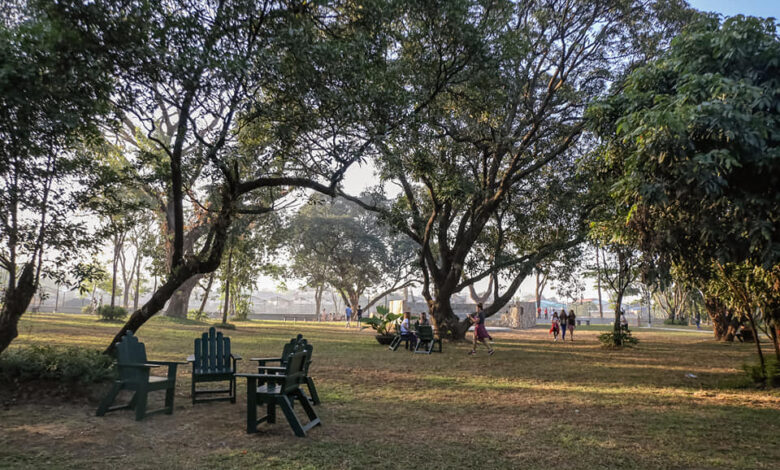
Sitting on a 1.1-hectare property formerly owned by the Far East Broadcasting Company (FEBC), Valenzuela City Family Park is the city’s greenest project to date.
With close to a hundred century-old trees, the facility boasts a nature-centered open space that is free to the public. It has its own playground, interactive fountain, av
New buildings can create jobs, provide housing, and support local businesses, but urban development should not end with construction. People also need accessible parks, public plazas, playgrounds, and shaded areas where they can take a break from busy streets. Without enough open spaces in the Philippines, residents may have fewer opportunities to enjoy outdoor activities close to home. A truly developed city should make room for both economic growth and the everyday needs of its residents.
Wide Sidewalks Should Be a Basic Part of City Planning
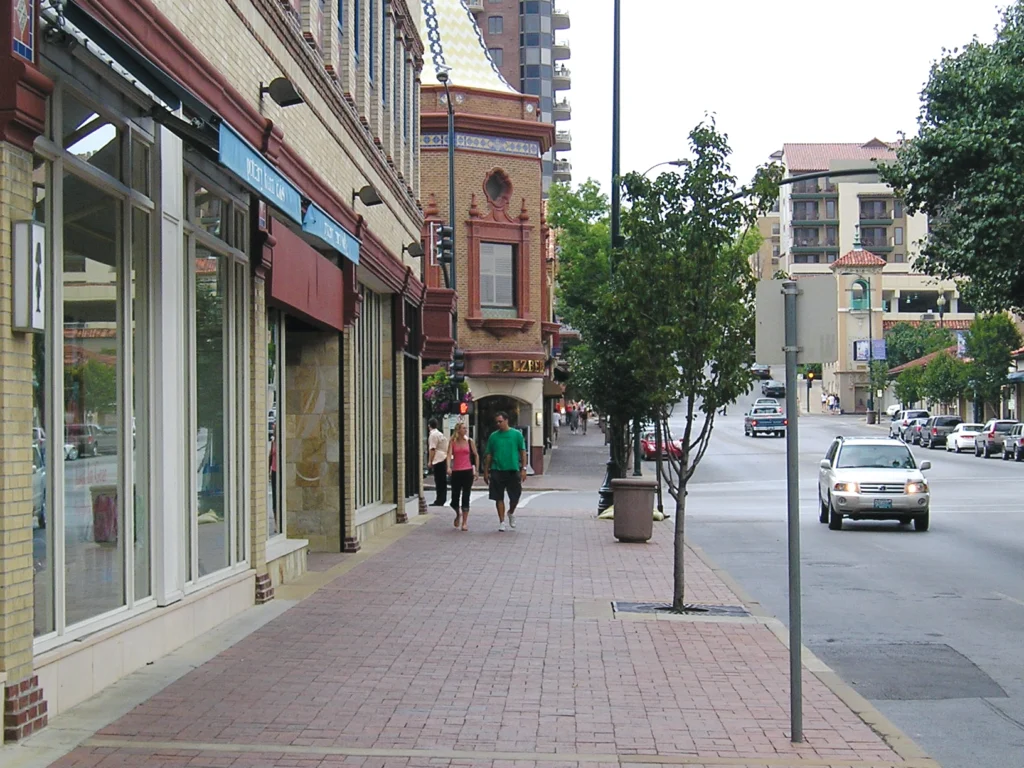
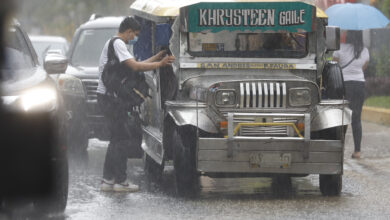
Walking should be a practical option for people going to work, school, markets, and public transportation stops. However, narrow or obstructed sidewalks can force pedestrians to walk close to moving vehicles, creating unnecessary risks for commuters, children, senior citizens, and people with disabilities.
Wider, continuous walkways with ramps, shade, and safe crossings can make streets more accessible to everyone. Investing in pedestrian-friendly infrastructure also helps create open spaces in the Philippines that people can use as part of their everyday journeys, not just during special occasions.
ALSO READ: The City’s Last Lungs: Metro Manila’s Open Spaces
Parks and Trees Can Make Cities More Comfortable
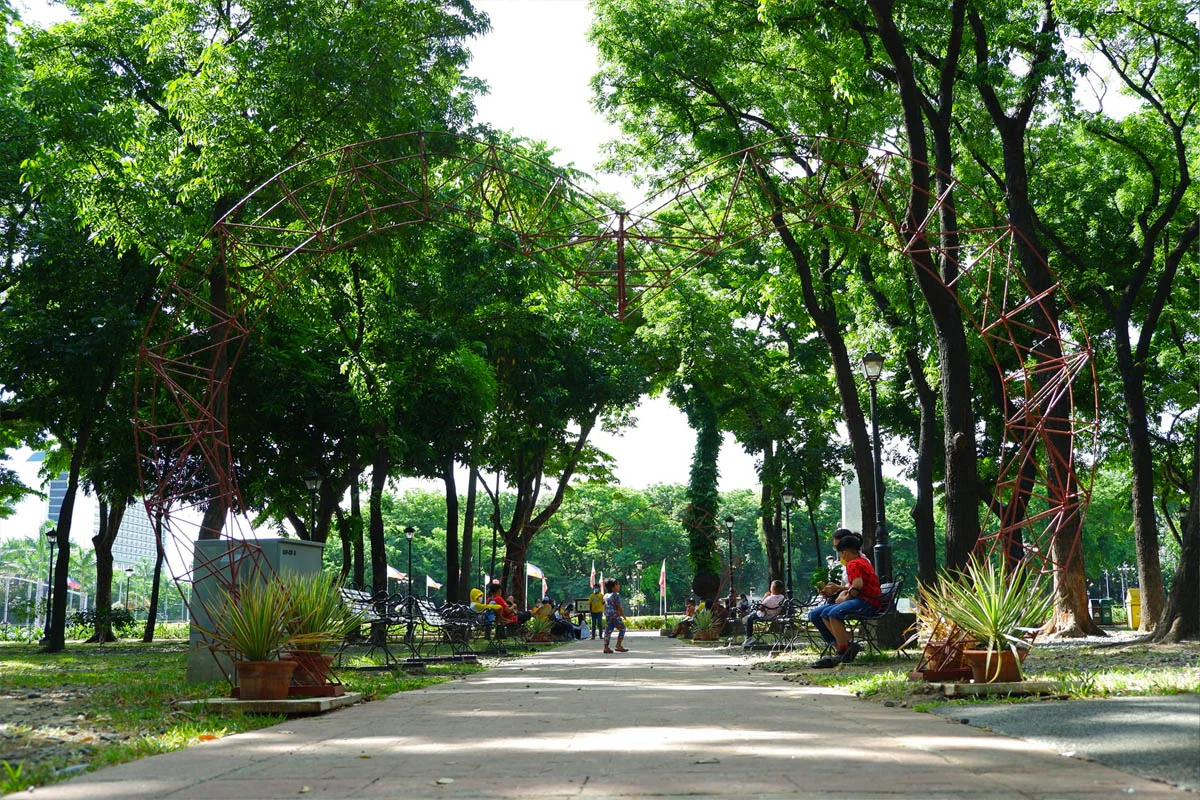
Green spaces offer more than beautiful views because trees provide shade and vegetation can help cool surrounding areas. Parks also give families places to exercise, children room to play, and neighbors opportunities to meet without needing to visit a commercial establishment.
In August 2026, the Department of the Interior and Local Government reported that nearly 11 million Filipinos were benefiting from projects under the Green Green Green Program, which supports parks, bicycle lanes, pedestrian walkways, and sports facilities. These projects highlight the importance of expanding open spaces in the Philippines while making them accessible, safe, and welcoming to different communities. (Source: Philippine Information Agency)
Public Spaces Should Be Accessible to Everyone
A park is most useful when residents can reach it safely and enjoy it without paying an entrance fee or buying something. Cities should consider people living in crowded neighborhoods, families with limited budgets, senior citizens, children, and persons with disabilities when planning public facilities.
Well-maintained walkways, accessible ramps, benches, public lighting, drinking water facilities, and clean restrooms can make these places more welcoming. Local governments can also involve residents in planning decisions to ensure that new open spaces in the Philippines reflect the needs of the communities they serve.
Building Better Cities Starts With People
Making cities more livable requires coordination among local governments, national agencies, developers, and residents. Urban plans should protect existing parks and trees while ensuring that new developments provide adequate pedestrian access, public facilities, and green areas.
The government’s Green Green Green Program is one example of efforts to support parks and active mobility, while its long-term impact will depend on implementation, maintenance, and accessibility. Ultimately, progress should be measured not only by the number of completed buildings but also by whether people can walk safely, find shade, enjoy public spaces, and feel comfortable in their own communities.
Cities also need room for people to live well
The Philippines needs new buildings, better infrastructure, and continued investment, but cities also need room for people to live well. Wider sidewalks, greener streets, accessible parks, and welcoming public plazas can make everyday life healthier, safer, and more enjoyable.
Expanding open spaces in the Philippines should be part of the country’s vision for modern development, rather than an afterthought once buildings and roads are complete. Because a city should not only look developed from a distance; it should also feel livable to the people who call it home.