Why Are We, a Rice-Growing Nation, Importing Rice From the US?
A private group just signed a deal to bring American rice to the Philippines. The NFA says it had nothing to do with it and that’s where it gets interesting.
A deal could put American rice in our palengkes as early as next year. The first thing the government’s rice agency wants you to know is that it has nothing to do with it.
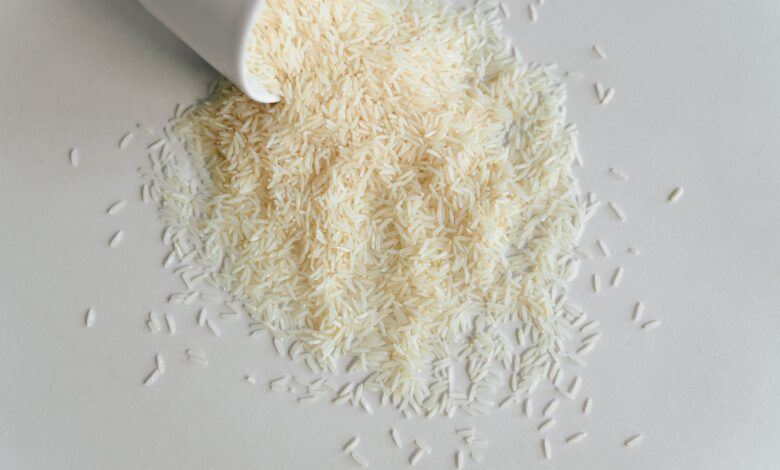
Last week, a private industry group called the Philippine Rice Industry Stakeholders Movement, or PRISM, signed a memorandum of understanding with USA Rice, the trade association for American rice producers. Under the agreement, PRISM plans to import 100,000 metric tons of US rice starting in 2027, scaling up to 200,000 metric tons a year by 2028. That is bagged and bulk rice; the kind that ends up in markets, not just government warehouses.
An MOU is not a shipment. It is a statement of intent, a handshake on paper. Whether American rice actually lands in Filipino ports depends on prices, import permits, and whether buyers here are willing to take it. But the signing was enough to get people asking questions, starting with the obvious one.
We grow rice. Why are we buying it from the US?
Simplest answer:
Because we do not grow enough of it.
NFA Administrator Larry Lacson said it plainly in a radio interview on October 13. Local farms supply only about 70% to 78% of the rice the country actually consumes. That gap? The 22% to 30% that does not come from Filipino fields has to come from somewhere.
“Eh saan po natin kukunin yung 30%? Eh saan po natin kukuhanin ‘yon kundi sa pag-aangkat din po. Hindi naman po natin gustong magkaroon ng food insecurity,” Lacson said.
The Department of Agriculture has a local production target of five million metric tons for 2026. Even if that happens, Lacson says it still is not enough to fill the national buffer stock without imports. With imports, the government’s emergency rice supply can last about 75 days.
So is the NFA behind the US deal?
No, and Lacson was firm about that.
“Hindi po sa atin dumadaan ang mga permit or whatever niyan. Hindi rin po tayo nag-i-import. So it’s a pure private sector initiative na I don’t know kung magkakatotoo, tingnan natin,” he said.
READ: Palay prices up from last year as rice gets costlier
The permits do not go through the NFA. The NFA does not import rice. He is not even sure the deal will push through. That tracks. Since the Rice Tariffication Law took effect in 2019, the NFA has not been involved in imports. That law stripped the agency of its importer role and opened the trade to private players who pay tariffs instead. Today, the NFA mainly buys palay from local farmers and manages the national buffer stock. The PRISM-USA Rice deal is entirely a private sector move.
Then who wins and who loses if American rice actually arrives?
That depends on where you stand on the supply chain.
For a household trying to stretch a grocery budget, more rice from more sources can help hold prices down. Rice is the biggest food item on most Filipino tables, and every peso per kilo adds up fast when you are feeding a family.
For farmers in Nueva Ecija or Isabela, another wave of imports can push farmgate prices down right at harvest. Farm groups have been raising this concern for years. Cheap imported rice makes it harder to earn a living from palay, and local agriculture slowly loses ground.
Both can be true at the same time. The country doesn’t grow enough rice to feed itself. And the people growing it often can’t keep up. A potential US deal adds one more supplier to a market already dominated by Vietnam and Thailand. It doesn’t close the production gap. It just fills it from farther away.
What to watch: whether PRISM actually follows through on shipments in 2027, what it does to retail and farmgate prices if it does, and whether the DA hits its five-million-ton local production target. Because every ton grown here is one less bag of rice that has to cross an ocean.
Rice is politics, trade, and dinner all in one grain. The next time the price at your suki changes, part of the reason will have been decided in a deal like this one.