PH Was the First Asian Country to Host the FIBA World Cup
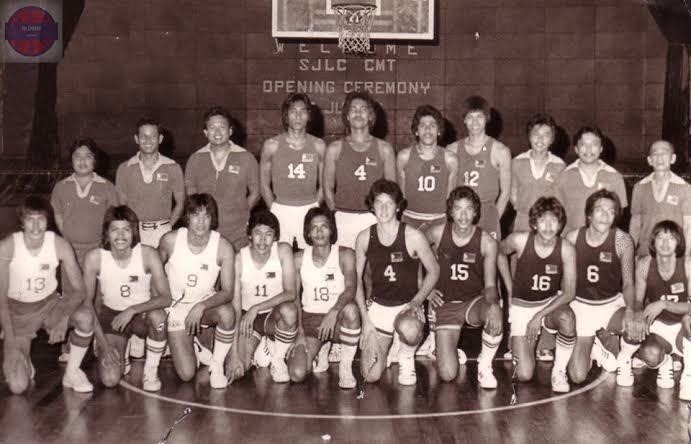
The Philippines made history in 1978 when it became the first Asian country to host FIBA’s premier men’s basketball tournament. At the time, the competition was known as the FIBA World Championship.
For Filipinos who watched the 2023 FIBA Basketball World Cup unfold at home, that might sound familiar. But the Philippines had already welcomed the world’s best basketball nations 45 years earlier.
And basketball was already a big deal.
Basketball Was Already Part of Filipino Life
The sport had been growing in the Philippines for decades. The NCAA was established in 1924, followed by the UAAP in 1938. By 1975, the country had its own professional league in the Philippine Basketball Association.
Within months of the PBA’s founding, the Philippines was awarded the rights to host the 1978 World Championship. FIBA describes the hosting opportunity as pivotal to the development of basketball across the country and to the Philippines’ standing as a basketball nation.
There was good reason for the confidence.
The Philippines had already won bronze at the 1954 World Championship, still the country’s best finish in the competition and the only podium finish by an Asian team.
Hosting the tournament wasn’t the beginning of Philippine basketball’s international story. It was a sign of how far that story had already come.
The Philippines Had Tried To Become FIBA’s Asian Host Before
The road to 1978 wasn’t completely straightforward.
The Philippines had originally been lined up to host an earlier World Championship. FIBA says the tournament was supposed to take place in Manila in 1962, but it was eventually moved to Brazil and postponed to 1963 after the Filipino government refused visas to socialist countries.
More than a decade later, the opportunity finally came back around.
This time, the Philippines was ready.
The government even declared 1978 Basketball Year. Proclamation No. 1693 specifically noted that the country had been chosen to host the eighth World Basketball Championship and described the event as an opportunity to promote tourism, prestige, and international goodwill.
For a country already crazy about basketball, the World Championship was about to arrive in its own backyard.
READ: Beyond Basketball: The Philippines Needs More National Sports
What Happened at the 1978 World Championship?
The tournament ran from October 1 to 14, 1978, with games played at the Rizal Memorial Coliseum in Manila and the Araneta Coliseum in Quezon City. Fourteen national teams participated.
The opening games wasted no time producing memorable moments.
The United States edged Australia 77–75. The following day, Brazil demolished China 154–97, setting scoring records that stood at the time.
The championship eventually came down to Yugoslavia and the Soviet Union.
Yugoslavia won 82–81 in overtime, claiming its second World Championship. Brazil finished third after beating Italy 86–85.
The Philippines finished eighth.
Not exactly the fairy-tale ending a home crowd might have wanted. But the host country’s place in history had already been secured.
The Philippines had become the first Asian country to host the world’s biggest international basketball tournament.
Then, 45 Years Later, It Happened Again
In 2023, the World Cup returned to the Philippines.
This time, the country co-hosted the FIBA tournament with other Asian countries, Japan and Indonesia — the first time the competition was staged across multiple nations. The Philippines hosted games at several venues, including the Araneta Coliseum, the same venue that had welcomed the World Championship in 1978.
In 1978, the Philippines was making history simply by bringing the tournament to Asia.
In 2023, it was hosting again as an established basketball powerhouse, with millions of Filipinos watching the world’s best players on home soil.
The venue had changed little. The scale of the event had changed enormously. The passion hadn’t.
More Than Just a Basketball Tournament
The Philippines didn’t become a basketball nation because it hosted the World Championship.
It hosted the World Championship because basketball had already become part of Filipino life.
The sport had schools, leagues, heroes, and generations of fans behind it. The tournament simply gave the country a chance to put that passion on display for the rest of the world.
That relationship continues today, from Gilas Pilipinas to the PBA and the countless courts found in communities across the country.
Perhaps the simplest way to understand that relationship is to look back to 1978.
Before the Philippines hosted the World Cup again, before Gilas, before the modern era of Philippine basketball, the country had already shown Asia that it could welcome the world to the court.