
Bamboo Coffin: Can Filipinos Embrace a More Affordable, Eco-Friendly Farewell
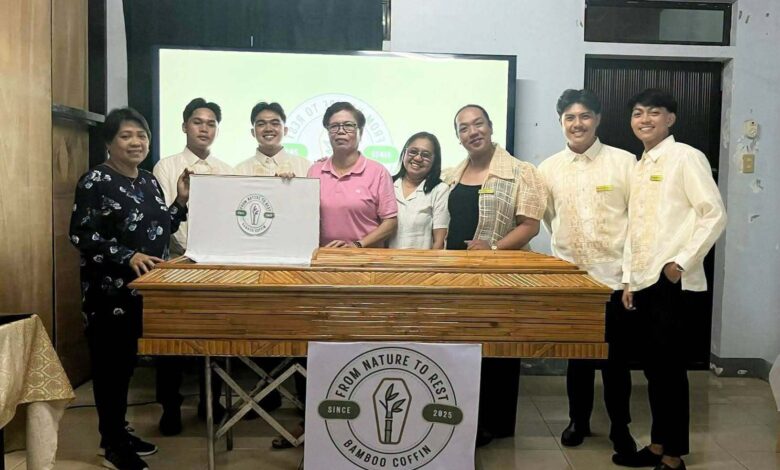
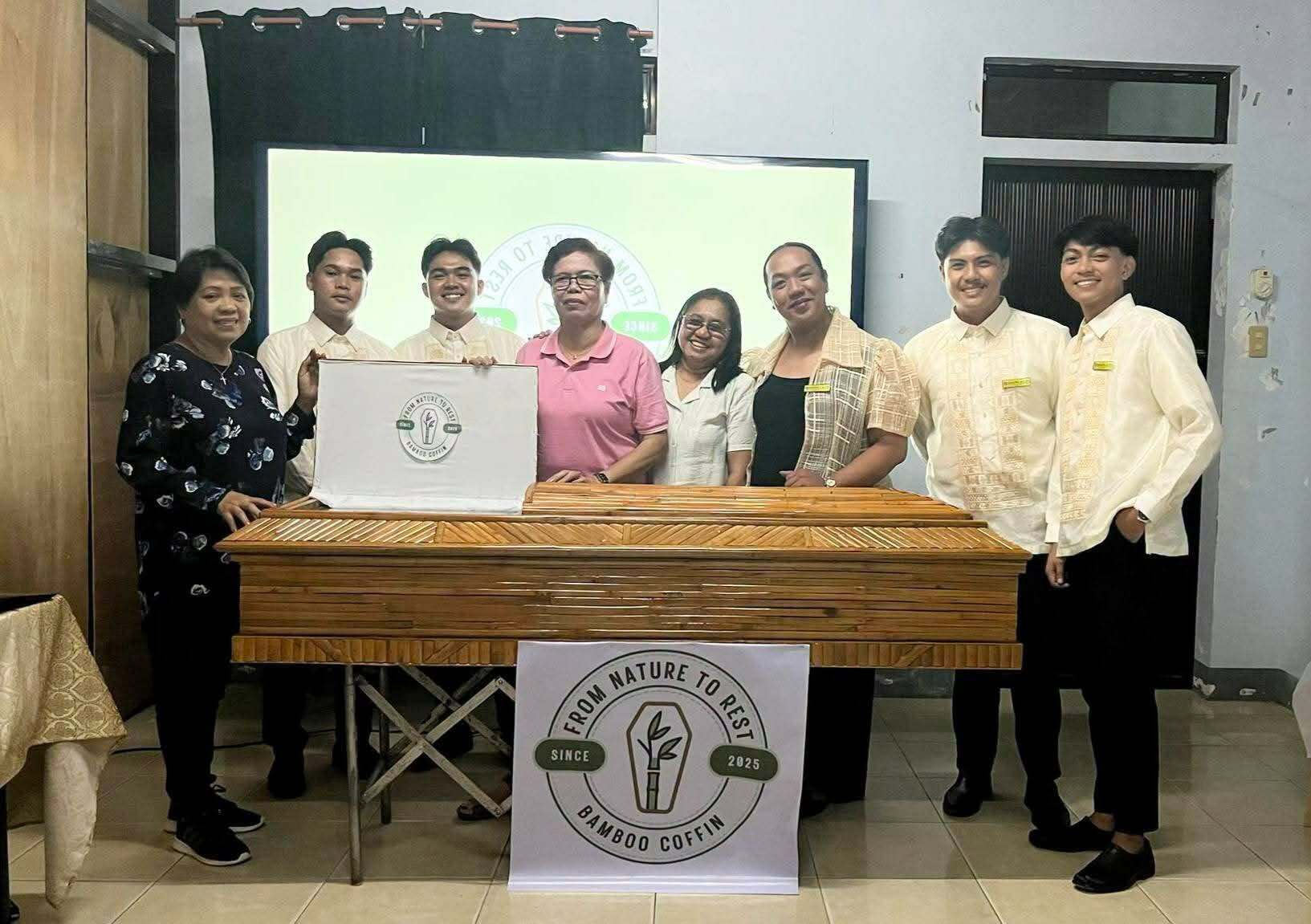
Could a bamboo coffin become a realistic alternative to the traditional coffins used by Filipino families? A student project from Irosin, Sorsogon, is raising that question with a prototype designed to be cheaper and more environmentally friendly. The students estimated that their bamboo coffin project could cost less than ₱20,000 to produce, including labor, with around 95% of its materials considered biodegradable.
But the bigger question is not simply whether bamboo can be turned into a coffin. It is whether families would feel comfortable using one when saying goodbye to someone they love.
Why Bamboo Coffin Makes Sense in the Philippines
Bamboo is hardly a foreign material to Filipinos. It has been used traditionally in Philippine homes, particularly in the bahay kubo, where bamboo can be used for walls, posts, beams, and flooring.
That familiarity could give a bamboo coffin Philippines concept an advantage. People already understand that bamboo can be strong, versatile, and useful.
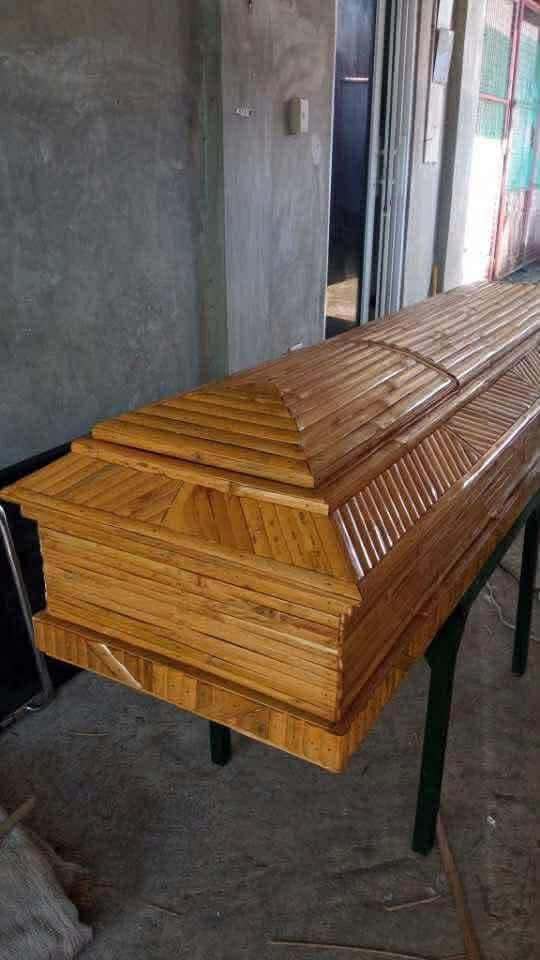
The material can also create a distinct visual identity. In the Sorsogon prototype, bamboo strips form the structure instead of hiding the material beneath heavy ornamentation. The result has a simpler appearance while retaining the recognizable shape of a traditional coffin.
But familiarity does not automatically mean acceptance.
The Biggest Challenge May Not Be the Price
A cheaper coffin sounds attractive, especially to families trying to manage funeral expenses. But price can also create a perception problem.
Some families may associate a lower price with lower quality. Others may worry that choosing an inexpensive coffin means they are not giving their loved one the best possible farewell.
This is where the bamboo coffin concept faces its biggest challenge.
The product would need to prove that affordable does not mean undignified. It would also need to demonstrate that bamboo can meet practical expectations for strength, safety, transportation, viewing, and burial.
ALSO READ: Abaca water filter? This pinoy invention could help clean water from toxic heavy metals
When Could Bamboo Coffins Become Common?
There is no guarantee that the Sorsogon prototype will become a commercially available product nationwide. It is still an early project, and several practical questions remain.
Funeral homes would need to determine whether they can accommodate bamboo coffins. Families would need confidence in their durability. The product would also need to meet whatever requirements apply to funeral services, transportation, burial, or cremation.
The students’ prototype is therefore better viewed as a starting point rather than a finished industry solution.
If those challenges are addressed, however, bamboo could eventually become another option for families who want a more affordable and environmentally conscious farewell.
The Role of Government and the Funeral Industry
The government could play an important role if bamboo coffins move beyond student projects and toward commercial production.
Agencies involved in trade, environmental protection, local government, and standards could help determine how such products should be produced and regulated. Government support for local bamboo industries could also help entrepreneurs develop better designs and manufacturing methods.
At the same time, funeral homes would have to be part of the conversation. They could help determine whether bamboo coffins are practical for wakes, transportation, viewing, and burial.
The goal should not necessarily be to replace traditional coffins. Instead, the bamboo coffin concept could give families another choice.
Could This Change How Filipinos Say Goodbye?
The Sorsogon bamboo coffin is still only a prototype, but it raises a surprisingly important question about how Filipinos think about death, money, tradition, and the environment. The project shows that something as familiar as bamboo can be reimagined for one of life’s most difficult moments.
The real challenge is not proving that bamboo can be shaped into a coffin. The students have already taken that first step.
The bigger challenge is convincing Filipino families that an affordable and biodegradable coffin can still represent love, respect, and dignity.
If that happens, the bamboo coffin concept could become more than a student project. It could become a new option for families looking for a simpler, more affordable, and potentially more sustainable way to say goodbye.