When Vaccine Misinformation Becomes a Health Risk
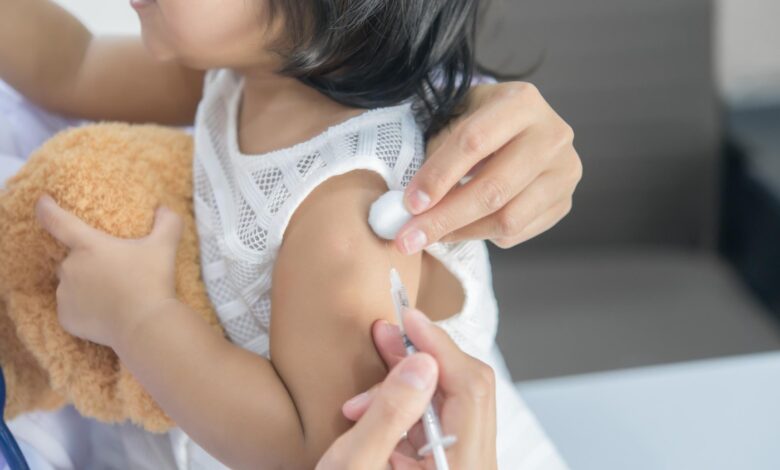
We often associate fake news with politics, but it can also trickle down to something more personal: our health. Vaccine misinformation can make parents question routine vaccinations, delay them, or choose to skip them altogether. And when those decisions involve children, the consequences can go beyond one family.
Looking at the Numbers
The Philippines has made progress in childhood immunization, but gaps remain. As of January 2025, partial 2024 government data showed that 61% of 2.39 million eligible children were considered fully immunized, leaving 933,039 yet to complete their vaccines. Health authorities are aiming for at least 95% coverage to better protect communities. The figures also do not include children vaccinated through private facilities.
Meanwhile, there has been progress in reaching zero-dose children, with the estimated number falling from more than 1 million in 2020-2021 to 163,000 in 2023. Still, incomplete vaccination leaves communities vulnerable to diseases such as measles, pertussis, polio, and diptheria.
Influence is a Slippery Slope
Vaccine misinformation is not always about outright rejection. A study of 110 parents and caregivers in two urban Manila communities found that 36.4% were hesitant or refused at least one vaccination for their children. Concern about vaccine safety and negative media information were among the factors linked to it. The Dengvaxia controversy was also identified as a major source of negative vaccine information.
That distinction matters. Not every unvaccinated child has an “anti-vaxxer” parent. Some families face access problems, while others may simply be uncertain or exposed to erroneous media.
The Risk Behind Vaccine Misinformation
While a false political claim can influence our voting patterns, a false medical claim can influence whether a child gets protected from a preventable disease or whether someone seeks treatment when it matters most.
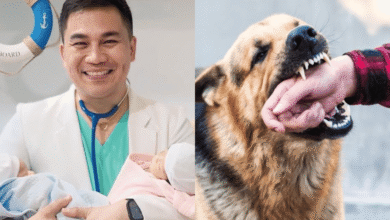
Pediatrician Dr. Nikki James Francisco recently voiced this through rabies: would someone who believes vaccines are inherently harmful still refuse anti-rabies treatment? Because once bitten and the symptoms appear, it is virtually 100% fatal, while prompt post-exposure treatment can prevent it from spreading.
READ: Doctor challenges anti-rabies vaccine people to skip anti-rabies shots after animal bite
As the country considers ways to address harmful fake news, we should also pay closer attention to vaccine misinformation. Because false information does not only shape political decisions, it can also influence whether parents protect their children from physical harm.