Weather Literacy and Staying Updated This Rainy Season
For many Filipinos, preparing for bad weather starts with checking if it’s going to rain. But realistically speaking, knowing the forecast is only part of the picture. Floods, landslides, and rapidly changing weather conditions can develop even as a weather app only shows a chance of rain. That’s where weather literacy comes in.
What is Weather Literacy?
This is the ability to understand weather forecasts, warnings, and hazard information so you can respond appropriately. Instead of asking, “Will it rain today?” you can add, “Will I pass by a flooded road?” or “Do I live in a landslide-prone area?”
This is especially crucial in the Philippines, where typhoons and heavy monsoon rains can quickly disrupt daily life. Knowing how to interpret weather updates can help families prepare earlier, avoid dangerous situations, and reduce unnecessary risks.
Beyond the Forecast
While many rely on their phone’s default weather app, there are two localized digital platforms that help Filipinos prepare for natural hazards.
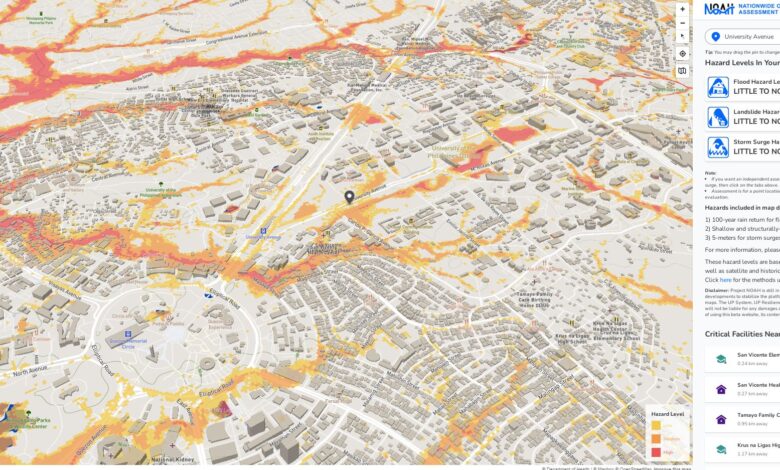
Project NOAH (Nationwide Operational Assessment of Hazards) provides interactive hazard maps that show flood-prone areas, rainfall forecasts, landslide susceptibility, and other disaster-related information. So instead of simply telling users that rain is expected, it helps them understand how that rain could affect their communities.
Meanwhile, PANaHON, developed by the Philippine Atmospheric, Geophysical and Astronomical Services Administration (PAGASA), combines weather forecasts, hazard maps, and location-based information into a mobile app. It gives users easy access to timely updates that can support everyday decisions before and during severe weather.
Together, these platforms encourage better weather literacy by making scientific information more accessible to the public.
READ: Pre-Monsoon House Check: Basic Disaster Prep We Keep Ignoring
As we’re currently deep in the rainy season, weather literacy is becoming an essential life skill for every Filipino. Understanding forecasts, recognizing potential hazards, and making use of available resources can help prepare before emergencies happen. Though we acknowledge that no technology can help stop a storm, staying updated can make all the difference in protecting ourselves and our loved ones.