“Unli Rice” and Its Hidden Health Risks
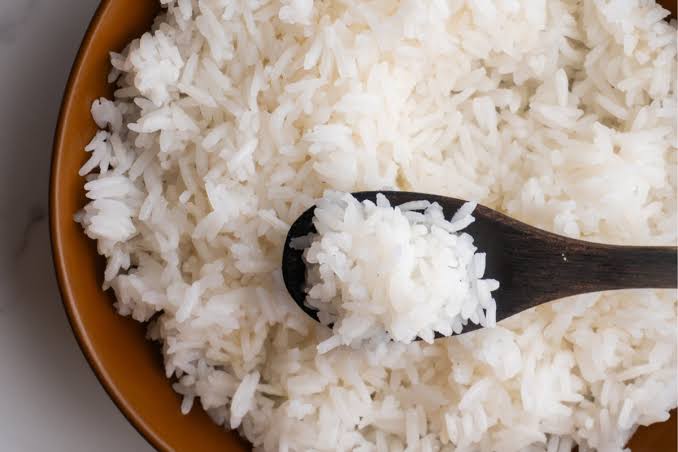
Rice sits at the center of the Filipino table, but its importance goes beyond culture. For many families, it remains the most affordable way to make a meal filling. Yet when it dominates the plate, that dependence can also create serious nutritional concerns.
White Rice as Cultural Staple
Rice remains a major part of the Filipino diet. The Philippine Statistics Authority estimated average consumption at 103.25 kilograms per person in 2018, while more recent U.S. Department of Agriculture projections indicate that national demand was about 151 kilograms per person in 2024.
Although estimates vary by year and methodology, they consistently show that Filipinos consume substantially more rice than people in countries where it is not a dietary staple.
Every Juan’s Favorite Promo
Nutritionists have long flagged the downstream effect of that habit. Refined white rice has a high glycemic index, meaning it is converted quickly into blood sugar, and heavy daily intake is a recognized contributor to insulin resistance and the risk of type 2 diabetes. This is not a fringe concern. It is the same argument that prompted one of the country’s more memorable political controversies over food policy.
In 2017, the then-chair of the Senate committee on agriculture and food drew heavy public backlash after suggesting that fast-food chains reconsider their “unli rice” promotions, citing a link between excessive rice intake and diabetes.
She later clarified that she was not pushing for a ban, only raising a health concern and encouraging a shift toward brown rice and more vegetables. The episode fizzled into memes within days, but the underlying warning she raised, that Filipinos may be eating more rice than their bodies can handle, was never really resolved.
Overconsumption and Undernutrition
While overconsumption drives metabolic disease in one segment of the population, chronic undernutrition persists in another.
For many households, rice is the primary, and sometimes the only, reliable source of energy. It supplies carbohydrates, one of the body’s three major macronutrients, but it cannot provide a complete diet on its own. Adequate nutrition also requires protein for growth and tissue repair, and healthy fats for brain development, hormone production, and the absorption of certain vitamins.
When meals are dominated by rice and contain too little meat, people may consume enough calories without getting enough protein, iron, zinc, and other essential nutrients. Children are particularly vulnerable because deficiencies during the early years can affect physical growth, learning, and long-term health.
This is why the country can face overconsumption and undernutrition at the same time. Some Filipinos consume more refined carbohydrates than their bodies need, while others rely on rice because more nutrient-dense foods remain too expensive or difficult to access.
Building a More Balanced Filipino Plate
A healthier diet does not require removing rice from the table. The more practical approach is to manage portions, improve the quality of carbohydrates, and add foods that provide nutrients rice cannot.
Consumers can choose brown, red, adlai and other grains. These varieties contain more fiber and are digested more slowly than refined white rice, which may help prevent rapid increases in blood sugar.
READ: This Is Why You’re Struggling with Weight Loss
Root crops such as kamote, gabi and ube can also replace part of a rice serving. They provide carbohydrates, fiber and additional vitamins while adding variety to everyday meals.
Protein should also be included whenever possible. Monggo, beans, eggs, tofu, and other affordable options can help households meet their nutritional needs when meat or fish is too expensive. Vegetables, fruits and healthy fats should complete the meal.
Public health efforts must support these choices by keeping nutritious food affordable and accessible. Advice to eat better will have limited impact unless families can find healthier options within their budget.