The Most Filipino Thing About Cebu Mangoes Festival Isn’t The Mangoes
Nobody really goes to a Filipino festival just for the food.
Not even when there’s a giant mango cake involved.
At the ongoing Cebu Mangoes Festival at The Mactan Newtown in Lapu-Lapu City, people may arrive curious about the mango-themed attractions, but they usually stay for something else entirely: the loud energy, the random discoveries, the family bonding, the contests, the food stalls, and the feeling that everyone somehow became part of one giant community gathering.
The Mango Cake Isn’t the Main Character (Even If It Looks Like It)
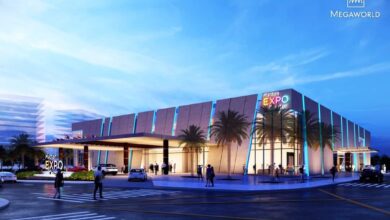
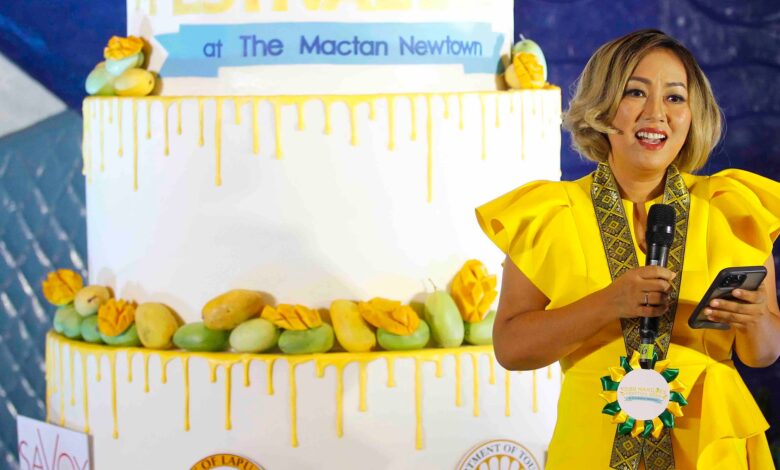
On paper, the headline moment of the Cebu Mangoes Festival is hard to miss, the Philippines’ tallest mango cake standing proudly at Mactan Expo.
It’s the kind of centerpiece that naturally pulls cameras first. Big, layered, dramatic, almost designed to make you stop walking and take a photo before you even understand what the event is about.
But stay a little longer, and something interesting happens. People don’t just gather around it. They move past it.
They go from one activity to another, sampling mango-inspired dishes, watching cooking showcases, joining contests, or just following whatever crowd is suddenly cheering on the other side of the venue.
The cake becomes less of a destination and more of a landmark inside a much bigger experience. And that’s where the festival quietly shifts.
It’s not built to be observed from a distance. It’s built to be moved through.
Filipinos Have A Habit Of Turning Everything Into A Celebration
Give Filipinos one theme, and somehow it becomes an entire experience.
A basketball league becomes a barangay reunion. A karaoke session becomes a neighborhood concert.
A mango festival suddenly includes culinary showdowns, pet-friendly activities, tree-planting events, games, and crowds casually staying until late at night. That energy is everywhere at the Cebu Mangoes Festival.
And unlike heavily curated events that feel too polished or exclusive, festivals like this work because they feel open. Families walk around carrying snacks. Barkadas stop at random booths. Kids run toward activities they don’t fully understand yet. People stay longer than they planned because something else keeps happening nearby.
The mangoes may be the centerpiece, but the real attraction is the shared experience around them.
Maybe This Is What Modern Filipino Fiestas Look Like Now
Modern Filipino fiestas used to be centered in town plazas and street corners, built around processions, shared food, and neighborhood gatherings.
Today, the same spirit of celebration shows up in lifestyle districts, event grounds, and mixed-use spaces where people already go to spend their weekends. That’s why something like the Cebu Mangoes Festival still feels familiar, even in a more modern setting.
READ: How Megaworld’s Visayas Townships Are Powering the Region’s Economic Rise
The familiar ingredients are all there: food, music, games, and shared activities that naturally pull people into groups. What’s different is how people now move through the experience, capturing and sharing moments as they happen, turning even something like a giant mango cake into part of a larger, lived-in memory.
The Real Reason Events Like Cebu Mangoes Festival Still Matter
For many Filipinos, festivals are one of the few public spaces left where different kinds of people naturally mix together.
Students, families, tourists, office workers, barkadas, and curious passersby all end up sharing the same space, reacting to the same performances, trying the same food, and laughing at the same chaotic contests.
That’s hard to replicate online.
And maybe that’s why events like the Cebu Mangoes Festival continue to attract crowds year after year. Beneath all the mango-themed activities and oversized desserts, the festival taps into something deeply familiar in Filipino culture: our ability to turn almost any gathering into a celebration.